

Cargo E-Bike Maintenance Checklist for Delivery Fleets


A complete service schedule and inspection checklist for commercial cargo e-bikes in last-mile delivery. Learn daily, weekly, and monthly tasks focused on high-wear components to improve fleet reliability and control maintenance costs.
Cargo E-Bike Maintenance Checklist for Delivery Fleets
For delivery fleets relying on cargo e-bikes, a consistent daily, weekly, and monthly maintenance routine helps minimize unexpected downtime and keeps operations running smoothly under heavy payloads and frequent urban routes. Rather than waiting for breakdowns, structured inspections focused on brakes, tires, drivetrain, and battery health can extend component life and support better ROI on commercial electric cargo bikes.

Fleet managers and courier teams often face the challenge of standardizing service across multiple riders and bikes. High daily mileage combined with heavy loads accelerates wear on critical parts, making it essential to follow practical checklists tailored to last-mile delivery demands. This guide provides a clear service schedule grounded in common fleet practices, while highlighting key inspection points that matter most for reliability.
Why a Structured Maintenance Checklist Matters for Cargo E-Bike Fleets
Commercial delivery operations depend on predictable uptime. This government employee bikeshare toolkit emphasizes that documented daily inspection routines help catch wear and safety issues before they cause service interruptions. In high-frequency last-mile delivery, even minor problems with brakes or tires can lead to costly delays or safety concerns.
High payloads place extra stress on components. Brakes experience more frequent use during stop-start urban riding, tires bear greater rolling resistance, and the drivetrain works harder under load. Battery performance can also degrade faster without proper charging habits. Standardizing checks across the fleet ensures consistency, regardless of which rider uses which bike on a given shift.
Beyond preventing breakdowns, routine maintenance supports compliance with safety guidance. Public agencies treat lithium-ion battery handling as a serious consideration, which is why following manufacturer charging instructions remains important. Teams that log inspections create an auditable record useful for warranty claims and operational reviews.

Daily Pre-Shift and Post-Shift Inspection Checklist
Begin each shift with a quick visual and functional check. This takes only a few minutes but can prevent the majority of on-road issues. Focus on safety-critical items that heavy cargo use affects most.
The "Go/No-Go" Safety Check
Before any bike leaves the depot, it must pass these criteria. If any "Stop-Service" condition is met, the bike should be tagged for repair immediately.
| Component | Daily Check Action | Stop-Service (Red Flag) Criteria |
|---|---|---|
| Brakes | Squeeze levers for firmness; check for leaks. | Levers touch the grip; visible fluid leaks; no stopping power. |
| Tires | Check PSI (typically 40-65 PSI per sidewall specs). | Visible casing threads; deep cuts; pressure below 30 PSI. |
| Battery | Ensure secure mounting and lock engagement. | Loose mounting; cracked casing; error codes on display. |
| Drivetrain | Quick visual for debris or rust. | Chain skipping; audible grinding from motor area. |
| Lights | Toggle front/rear lights and indicators. | Non-functional headlamp or brake light for night shifts. |
Note: PSI ranges and torque values are heuristics; always prioritize the specific manufacturer manual for your fleet's tire and frame specifications.
Weekly Service Tasks for High-Usage Delivery E-Bikes
Once per week, or after approximately 200–300 miles of heavy use, perform deeper checks. This interval should be shortened by 20–50% for bikes operating in hilly terrain or consistently wet/salted winter roads.
- Drivetrain Deep Clean: Remove grit from the chain and sprockets. Apply lubricant suitable for your local climate (dry vs. wet lube).
- Brake Pad Measurement: Visually inspect pad material. While a 50% wear rule is a common fleet heuristic for early replacement, strictly follow the manufacturer’s minimum thickness (often 0.5mm to 1.0mm for hydraulic pads).
- Fastener Audit: Check high-stress bolts on cargo racks, kickstands, and handlebars. Use a torque wrench to meet the N-m (Newton-meter) specs found in your service manual.
- Battery Health Monitoring: Record the "Range at Full Charge" displayed on the console. A sudden 15-20% drop in estimated range may indicate a balancing issue or cell degradation.
Work Order Output: Weekly logs should record Current Odometer, Brake Pad Condition (Green/Yellow/Red), and Chain Stretch Measurement.
Monthly Preventive Maintenance and Deeper Fleet Review
Monthly service focuses on longer-term reliability and parts replacement planning. For fleets averaging high daily mileage, align this with 800–1,200 miles of cumulative use.
- Chain Elongation Test: Use a chain checker tool. For most 8/9-speed cargo bikes, replace at 0.75% stretch. For 11/12-speed systems, replace at 0.5% to prevent expensive cassette wear.
- Hydraulic System Check: Inspect hoses for abrasions, especially near folding points or cargo rack contact areas. Bleed the system if the lever feels "spongy."
- Tire Rotation/Replacement: Check for "squaring off" of the rear tire due to heavy loads. Replace tires if the center tread depth is below 1mm or per the manufacturer's wear indicator.
- Electrical Connection Integrity: Clean and apply dielectric grease to battery terminals if corrosion is visible. Ensure the motor cable connector is seated tightly.
Maintenance Cadence by Usage Intensity
Maintenance Cadence by Usage Intensity
Heuristic maintenance cadence for cargo e-bikes, modeled from fleet safety guides and usage-intensity wear patterns; values indicate relative attention level, not measured wear rates.
View chart data
| Category | Low Usage | Medium Usage | High Usage |
|---|---|---|---|
| Daily | 3.0 | 3.0 | 3.0 |
| Weekly | 2.0 | 3.0 | 4.0 |
| Monthly | 1.0 | 2.0 | 3.0 |
This illustrative bar chart shows relative attention levels across usage intensities. Daily safety checks remain consistent, while weekly and monthly tasks increase with heavier payloads, hilly terrain, or wet conditions. These values represent modeled guidance derived from fleet practices rather than laboratory measurements.
Maintenance Budget Framework: Mapping Costs to Wear
For B2B operations, maintenance costs are best managed by tracking "Cost per Mile" rather than fixed monthly fees. The following table provides a framework for budgeting based on typical wear indicators.
| Component | Trigger for Replacement (Heuristic) | Estimated Frequency (Heavy Use) | Budget Impact |
|---|---|---|---|
| Brake Pads | <1.0mm thickness or 70% wear | Every 1,000–2,000 miles | Low (Consumable) |
| Tires | Visible wear indicators or frequent flats | Every 2,000–3,500 miles | Moderate |
| Chain | 0.5% – 0.75% stretch | Every 1,000–1,500 miles | Low |
| Battery | <70% original capacity / 800+ cycles | Every 18–36 months | High (Capital Exp) |
| Pro Service | Complex motor/electrical diagnostics | Bi-annually or per error code | Variable |
Disclaimer: These ranges are estimates based on urban delivery cycles. Actual intervals will vary based on rider behavior, total system weight, and environmental factors.
Safety and Compliance Considerations
Important Notice: This article discusses general comfort, setup, and maintenance practices for cargo e-bikes in commercial settings. It does not constitute medical advice, mechanical diagnosis, or professional repair guidance. Lithium-ion batteries and high-voltage electrical systems carry safety risks if mishandled. Always consult the specific manufacturer manual for your model. If you experience persistent mechanical issues, reduced performance, or safety concerns, seek qualified professional service immediately. For battery-related incidents, follow local fire safety protocols and transportation regulations.
Fleet onboarding should include training on these checklists and battery safety. NYC DOT guidance on e-cargo bikes highlights the value of safety education and proper charging practices when deploying such vehicles in city operations.
Building a Fleet Maintenance Log and SOP
Create a simple digital or paper log for each bike that records date, mileage, inspector name, and findings. Review logs monthly to spot recurring issues on specific units or routes. This standardization helps when multiple riders share bikes and supports smoother warranty or insurance interactions.
Assign clear responsibilities: riders handle daily checks, while dedicated service staff perform weekly and monthly tasks. For growing fleets, consider integrating maintenance scheduling software that alerts when service is due based on odometer readings.
When Professional Service or Parts Replacement Is Needed
Do not attempt complex motor, controller, or battery repairs in-house unless your team has appropriate certification. Replace any component showing cracks, severe wear, or electrical faults immediately. Keep spare consumables such as brake pads, inner tubes, and chains on hand to reduce downtime.
Explore serviceability features when choosing cargo e-bikes for fleets. The 2026 E-Bike Serviceability & Right-to-Repair Standards guide offers useful criteria for evaluating how easily commercial models can be maintained over time.
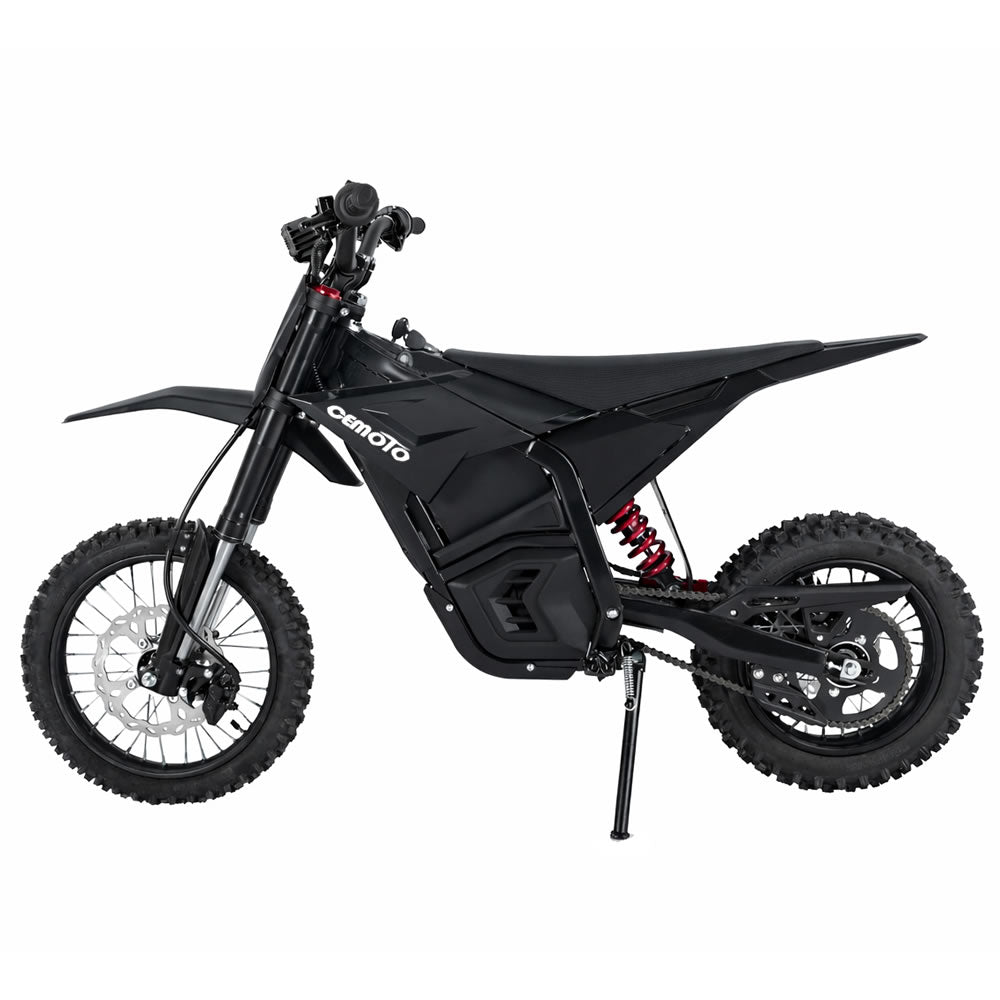
For heavy-duty cargo models designed specifically for delivery, see the CEMOTO B69 750W Heavy Duty E-Bike which offers 150kg capacity suitable for last-mile operations.
Routine maintenance also pairs well with quality accessories. Consider CEMOTO hydraulic disc brake assemblies or heavy-duty chains as direct replacements when wear occurs.
Final Recommendations for Delivery Fleet Reliability
A practical maintenance checklist focused on daily safety inspections, weekly cleaning and lubrication, and monthly component replacement planning helps commercial cargo e-bike fleets achieve lower downtime and more predictable operating costs. While exact intervals depend on load, terrain, and weather, starting with these evidence-based cadences provides a strong foundation.
Success depends on consistent execution and accurate logging rather than any single perfect schedule. By treating maintenance as a core operational process, courier companies can protect their investment and maintain reliable service. Always prioritize the specific instructions provided with your e-bikes and consult certified technicians for advanced service needs.
