

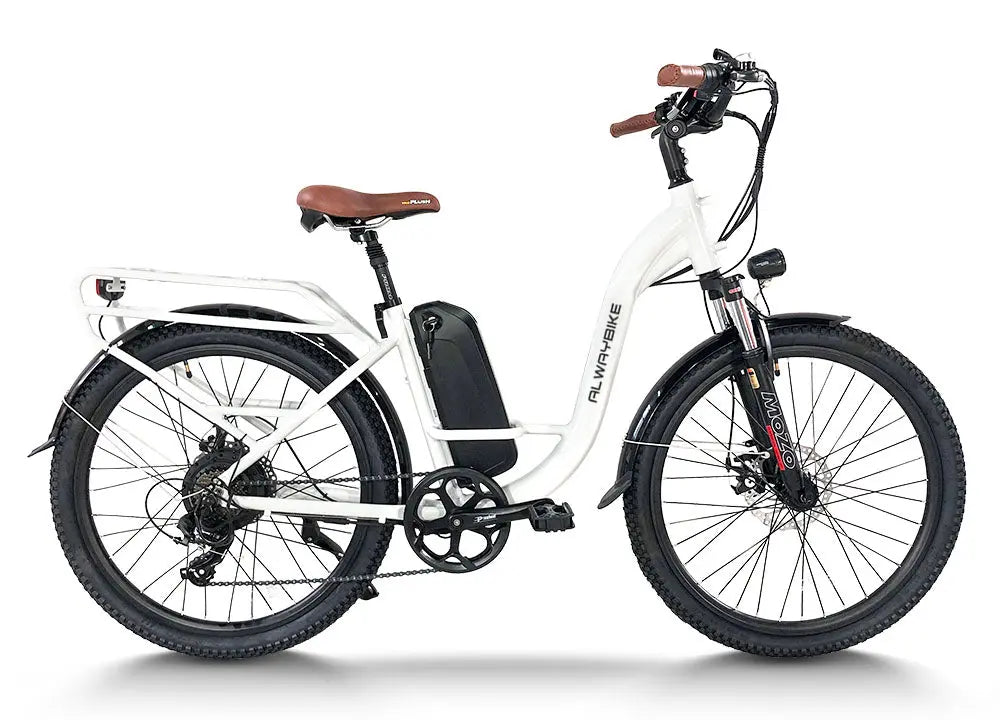
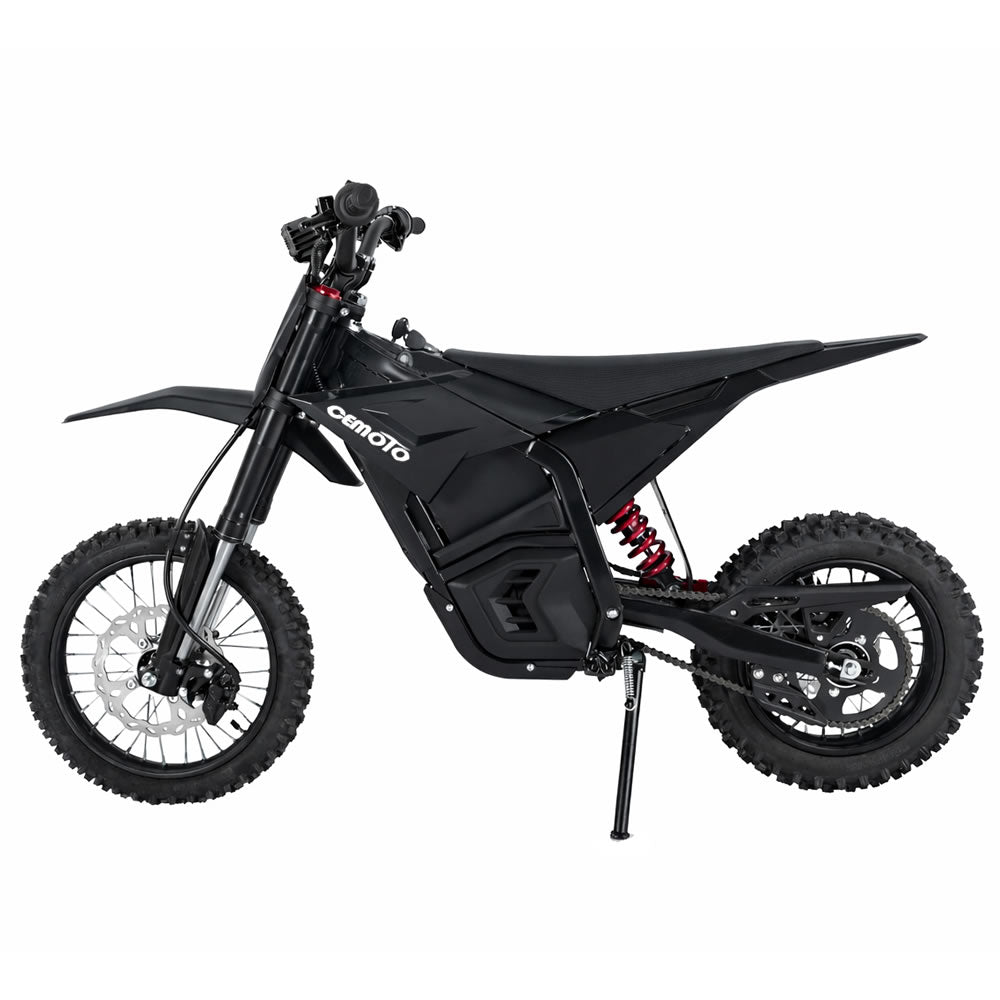
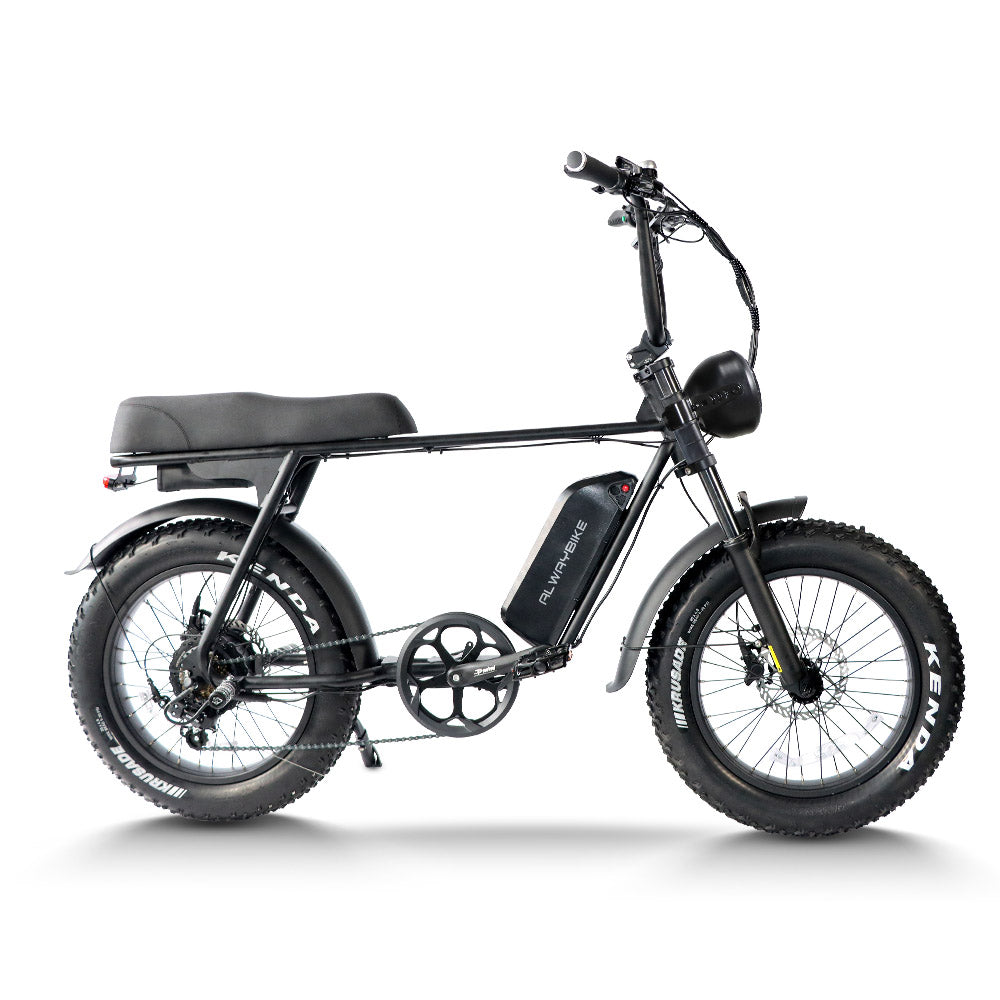
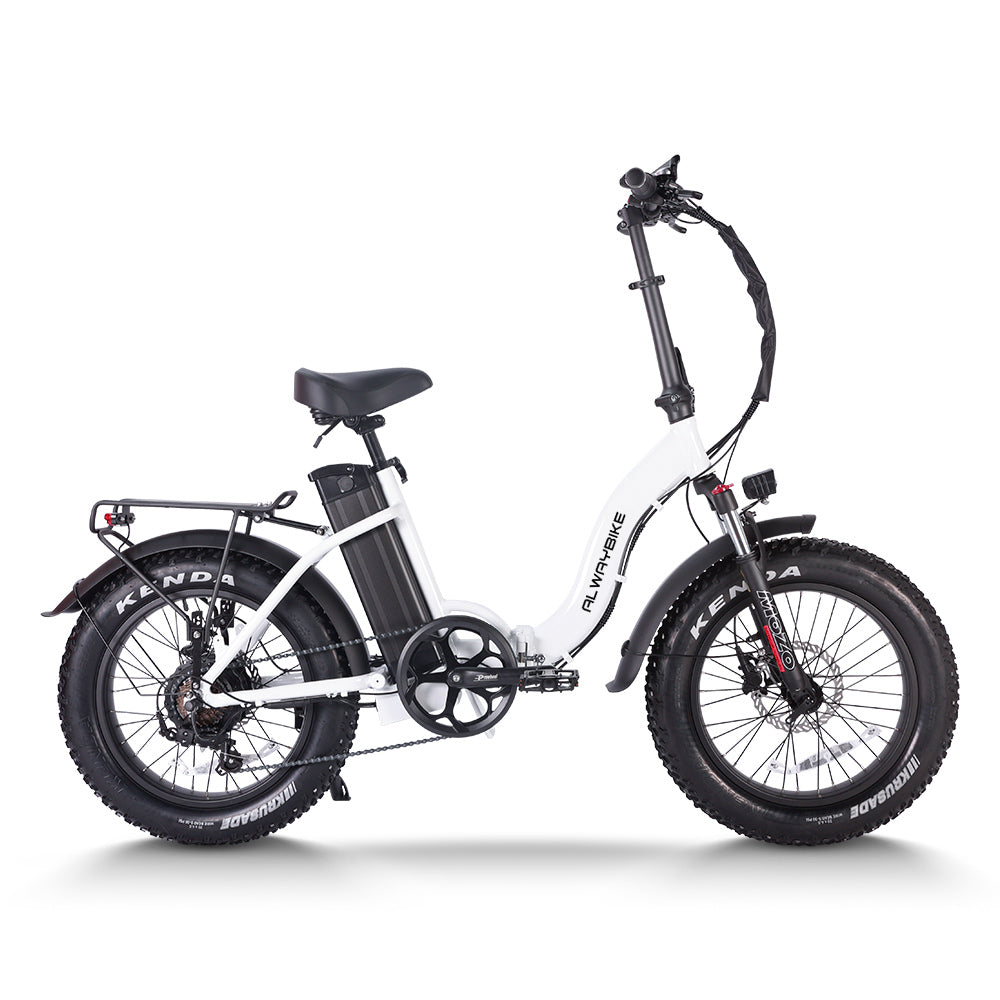
Is a Cargo E-Bike Practical for Grocery Runs?


A cargo e-bike can work well for repeatable local grocery trips when the route, loaded return, storage setup, parking, and weather fallback fit your routine. This guide explains how to test the complete trip, organize common grocery loads, handle store-side security, and decide whether a cargo e-bike is genuinely easier than a short car trip.
A cargo e-bike for groceries can be practical when you make repeatable local trips, can secure your usual shopping load, and have a permitted place to park at the store and at home. It is a weaker fit for unsafe routes, large stock-up trips, unreliable parking, severe-weather-only plans, or a loaded return that feels difficult to control.

The useful question is not simply whether the bike's advertised payload is large enough. Route quality, grocery shape, load position, parking, weather, theft exposure, and the return ride all determine whether the routine works. Treat the first trip as a test of the complete door-to-door errand—not just the ride to the store.
When a Cargo E-Bike for Groceries Fits Your Routine
A cargo e-bike is most practical for frequent, predictable shopping at a nearby store when the route feels manageable, the approved cargo setup matches your usual groceries, and the loaded ride home remains comfortable. It is less practical for occasional bulk purchases, long or stressful routes, or shopping that requires more temperature control and volume than your setup can reliably provide.
Use these conditions as an initial fit check:

- Route: You can ride the actual streets with acceptable crossings, surfaces, traffic exposure, hills, and visibility.
- Shopping pattern: Your usual list has a repeatable size and does not regularly include more awkward volume than the bike can contain and secure.
- Loaded return: The ride home still allows controlled starts, stops, turns, and low-speed maneuvering after shopping.
- Destination: You have a permitted, visible place to park and lock the bike without blocking an entrance or walkway.
- Fallback: You have another plan for severe weather, a large stock-up, an unavailable rack, or food that needs tighter temperature control.
This whole-trip approach is more useful than treating a payload figure as a shopping guarantee. General e-bike guidance on intended use, cargo needs, storage, and portability supports this broader planning approach. For background on different cargo-bike layouts, use the general CEMOTO explainer as navigation rather than as proof of any specific model's grocery capability.
Route, Weather, and the Return Trip
Test the exact door-to-door route with a modest, securely contained practice load before relying on it for weekly shopping. Judge the loaded return separately: the bike may feel easy outbound but require more attention after groceries change its handling.
Test the Full Route, Not Just the Distance
A short map distance does not reveal difficult intersections, road surfaces, hills, parking maneuvers, or the time spent loading. Use this four-step test:
- Map the route and inspect the difficult segments. Note crossings, gaps in bike infrastructure, steep sections, rough pavement, tight turns, traffic speed, and the store-side parking location.
- Ride at a representative time. Try the traffic, lighting, and parking conditions you will actually face instead of judging the route on a quiet weekend.
- Repeat with a modest practice load. Secure a small amount of representative cargo and pay attention to starts, stops, braking, turns, and low-speed balance.
- Compare the complete routine. Include locking, shopping, loading, and the ride home. Compare that time and effort with the short car trip you would otherwise take.
Cargo-bike loading and rideability research indicates that bike design, cargo amount, and loading position can affect handling. The study should not be read as a performance result for every model; use it as a reason to test your intended configuration.
Plan for Weather and Seasonal Changes
A grocery route that works only in perfect weather may not replace many car trips. Consider the conditions that affect your actual shopping schedule:
- Rain may require weather-resistant grocery containment, suitable clothing, and a plan for keeping the bike and electrical components within the manufacturer's stated operating and storage guidance.
- Heat and longer checkout times matter more when you are carrying frozen or chilled food.
- Wind can make an awkward or tall load harder to manage, while snow, ice, poor visibility, and early darkness may change whether the route is worth taking.
- Severe-weather days need a real fallback, such as another vehicle, delivery, or a postponed trip.
Do not assume that a cargo e-bike or its electrical system is suitable in every season. Check the current manufacturer's instructions for the specific bike and battery, and treat weather protection as part of the shopping plan rather than a universal product feature.
Make the Loaded Return Leg Predictable
The loaded return is the real decision point. Before leaving the store, distribute the groceries, confirm that nothing can shift into a wheel or control path, and consider where you can stop safely if the ride feels different than expected.
Start with a consistent list and modest load size. Once that routine feels controlled, add variety or volume gradually rather than combining heavy, fragile, tall, and loose items on the first full shop. A steep climb, strong headwind, limited charging access, or uncertain remaining energy should count as part of the normal suitability decision—not as an unusual exception.
The following matrix is a planning framework, not measured product performance:
| Grocery-run scenario | Route quality | Load condition | Weather and parking | Practical reading |
|---|---|---|---|---|
| Frequent small shop | Comfortable, familiar route | Small, contained, repeatable load | Normal conditions and permitted parking | Strongest likely fit if the loaded return stays controlled |
| Weekly mixed household shop | Manageable but more demanding route | Mixed bags, fragile items, and dense goods | Parking and loading take planning | Possible fit after a realistic practice load and container check |
| Large stock-up | Stressful crossings, hills, or long exposure | High volume, awkward shapes, or temperature-sensitive goods | Weather or parking fallback is uncertain | Often a poor substitute unless the entire routine is tightly controlled |
Load Shape Matters More Than the Payload Number
A cargo bike's published payload is only one input. Usable grocery capacity also depends on where the weight sits, whether containers fit the specific bike and accessories, whether items can be secured, and whether the rider can control the loaded bike. Dense goods should stay low and reasonably balanced from side to side; loose or fragile items need separate containment.
Research on cargo loading and rideability supports the distinction between rated capacity and real-world handling. Practical guidance for carrying cargo by bike likewise recommends keeping loads low, balanced, and secured, but it does not establish a universal safe weight for every bike.
| Grocery type | Likely placement | Containment method | Handling concern | Compatibility check |
|---|---|---|---|---|
| Canned goods | Low and near the bike's central cargo area | Rigid bin or secured bag | Dense weight can make starts and turns feel heavier | Confirm the container and mounting points are approved for the bike |
| Produce | Above heavier items, with space to avoid crushing | Tote, basket, or divided container | Loose items can roll or shift | Check that the container does not contact wheels or controls |
| Eggs | Separate from dense goods and road vibration | Padded or rigid compartment | Breakage from jolts and movement | Verify the container stays stable during a low-speed test |
| Glass | Low, separated, and surrounded by padding | Rigid container with internal protection | Concentrated weight and breakage risk | Check clearance, closure, and attachment security |
| Gallon containers | Upright where possible and centered | Snug crate or purpose-built compartment | Tall liquid containers can shift or affect balance | Confirm height, width, and attachment compatibility |
| Paper goods | Upper or less dense space | Strap, tote, or enclosed cargo area | Bulky volume can catch wind or obstruct visibility | Check that the load stays within the rider's path |
| Awkward boxes | Flat and centered when possible | Straps or a correctly fitted cargo container | A large shape can interfere with steering or braking | Confirm dimensions, tie-down points, and manufacturer limits |
For regular shopping, how to carry groceries on a cargo ebike usually comes down to containment and placement rather than simply filling every available space. A bike-mounted container may be easier to manage than a heavy backpack, but accessory fit and every applicable rating still need to be checked for the specific bike. CEMOTO's rear rack options and a hard-shell storage bag can help you investigate equipment; the available product facts do not verify universal fit or a safe grocery setup.
After loading, perform a slow check in a clear area. Confirm that bags cannot touch the wheels, controls, pedals, or rider's legs; that closures remain secure; and that braking, turning, and starting still feel controlled. If the load changes those basics, reduce or rearrange it before entering traffic.
Store Parking, Theft Exposure, and Shopping Friction
Cargo bike parking at stores works only when the location is permitted, visible, spacious enough for the bike and attachments, and suitable for locking the frame to a fixed object. A heavy bike or a spot near the entrance does not make it theft-proof, and a standard bicycle rack may not provide enough clearance for a long or wide cargo bike.
Use this store-side checklist before making the route part of your routine:
- Ask about permission. Confirm whether the store allows the bike at the proposed location and whether staff can direct you to an approved alternative.
- Check clearance. Make sure the bike, bags, racks, and maneuvering path do not block doors, carts, accessible routes, or pedestrians. Public-agency parking guidance notes that cargo-bike dimensions may require more space than a standard rack.
- Identify a fixed locking point. Use a permitted, visible location where the frame can be secured to a fixed object. General e-bike guidance supports this approach, but no lock or parking spot prevents every theft.
- Plan the shopping duration. Keep loading time practical, especially for frozen or chilled goods, and avoid leaving accessories or loose items exposed longer than necessary.
- Secure or remove accessories as directed. Treat detachable bags and equipment as separate theft exposures; follow their instructions rather than assuming the bike lock protects them.
- Define a fallback. If the rack is full, unsuitable, or not approved, ask for another permitted location or use another trip method. Do not block access simply to preserve the bike plan.
Before buying, visit the actual store with the bike's likely dimensions in mind. A route is not genuinely convenient if the final five minutes require searching for a legal, lockable, and unobstructive parking location. For ongoing upkeep after purchase, a cargo-bike maintenance checklist can serve as general navigation, not as a substitute for the model's manual.
Use a Grocery-Run Checklist Before You Buy
Choose a cargo e-bike only when the complete routine is easier to repeat than the short car trip it would replace. A demo should recreate the route, load, parking, unloading, and return—not just provide an unloaded ride in a showroom lot. For a cargo e-bike for groceries, the practical test is the routine you can repeat, not the largest advertised capacity.
- Recreate the route. Ride the actual streets, including the hardest crossing, hill, surface, turn, and store approach.
- Test a modest secured load. Use representative grocery containers, not loose bags, and check how the bike starts, stops, turns, and brakes.
- Repeat the loaded return. Judge the trip home after the load is distributed, including any climb, headwind, darkness, or limited charging access.
- Verify compatibility. Ask for current documentation covering the bike's approved payload, rack or bag mounting, container clearance, battery guidance, and any relevant operating limits. Do not infer these facts from a product title or motor description.
- Check the routine around the ride. Confirm home storage, charging, service access, warranty terms, returns, store permission, and a bad-weather or large-shop fallback.
- Check local rules. Verify the e-bike classification, route access, equipment requirements, and destination parking practices for your state and locality. Rules vary, so one city's guide is not a nationwide rule.
- Set a not-a-fit boundary. Walk away, or keep the car option, if the route feels unsafe, the loaded return is difficult to control, parking is unreliable, home storage is insecure, or the shopping load regularly exceeds what you can contain and manage.
You can use the CEMOTO cargo bike page to investigate the available cargo offering, but current official specifications must support any decision about payload, range, rack compatibility, weather use, or grocery fit. If you are still comparing layouts, you can also browse CEMOTO e-bikes without treating the collection as a verified product recommendation.
FAQs
These questions cover food, fragile items, local rules, parking, and other exceptions that can change whether a planned grocery trip is repeatable.
Can I Carry Frozen Groceries on a Cargo E-Bike?
Only if the outside temperature, insulated containment, store-to-home time, and handling plan are appropriate for the food. Shop for frozen items near the end, pack them together in suitable insulation, and use another trip method when heat, distance, delays, or uncertain timing make temperature control unreliable.
How Should I Pack Eggs, Glass, and Other Fragile Groceries?
Separate fragile items from dense goods and place them in rigid or padded containment that cannot slide around. Make a low-speed check over a controlled surface; if the container rattles, tips, or shifts, repack it before riding normally.
Do I Need to Check Local Rules Before Riding a Cargo E-Bike to the Store?
Yes. Check your state and local e-bike classification, path and roadway access, equipment requirements, and destination parking practices before relying on the route. Ask the relevant local transportation agency or consult current local rules because another city's guide may not apply.
What Happens if the Store's Bike Rack Cannot Fit a Cargo E-Bike?
Do not block access or improvise an unapproved locking location. Ask store staff for a permitted alternative, identify another suitable fixed locking point nearby, or use another transportation method. If this happens often, treat the store as a poor routine destination for the bike.
When Is a Cargo E-Bike a Poor Substitute for a Short Car Trip?
It is usually a poor substitute when the route has unsafe sections, severe weather is common without a fallback, the shop involves a large temperature-sensitive load, parking cannot be secured, home storage is insecure, or the loaded return is difficult to control. In those cases, keeping the car option may reduce friction.
