

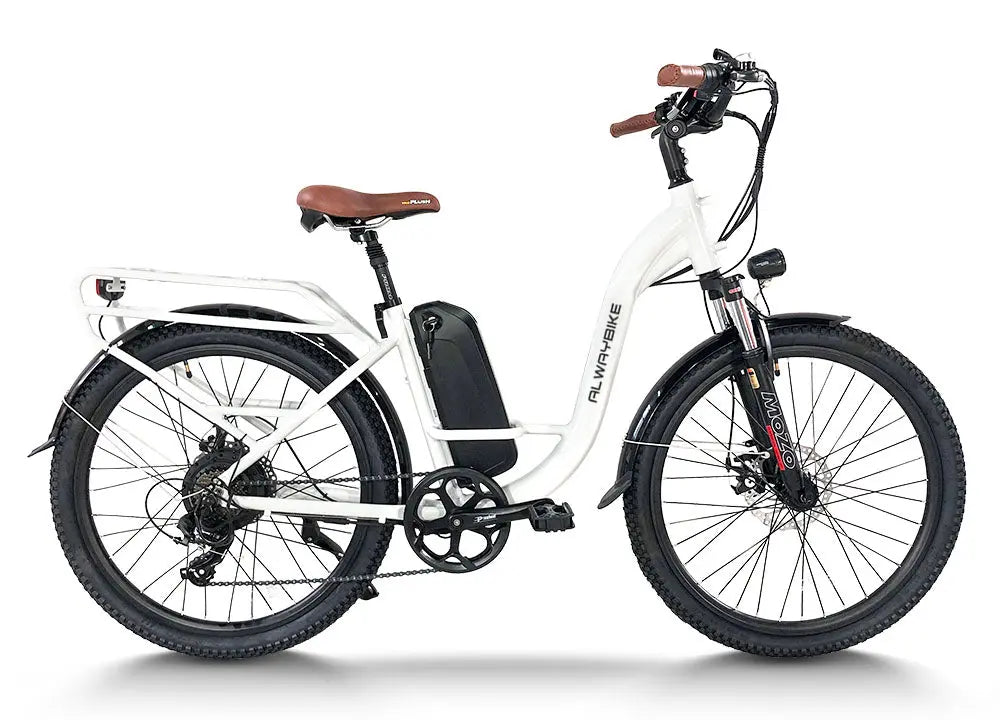
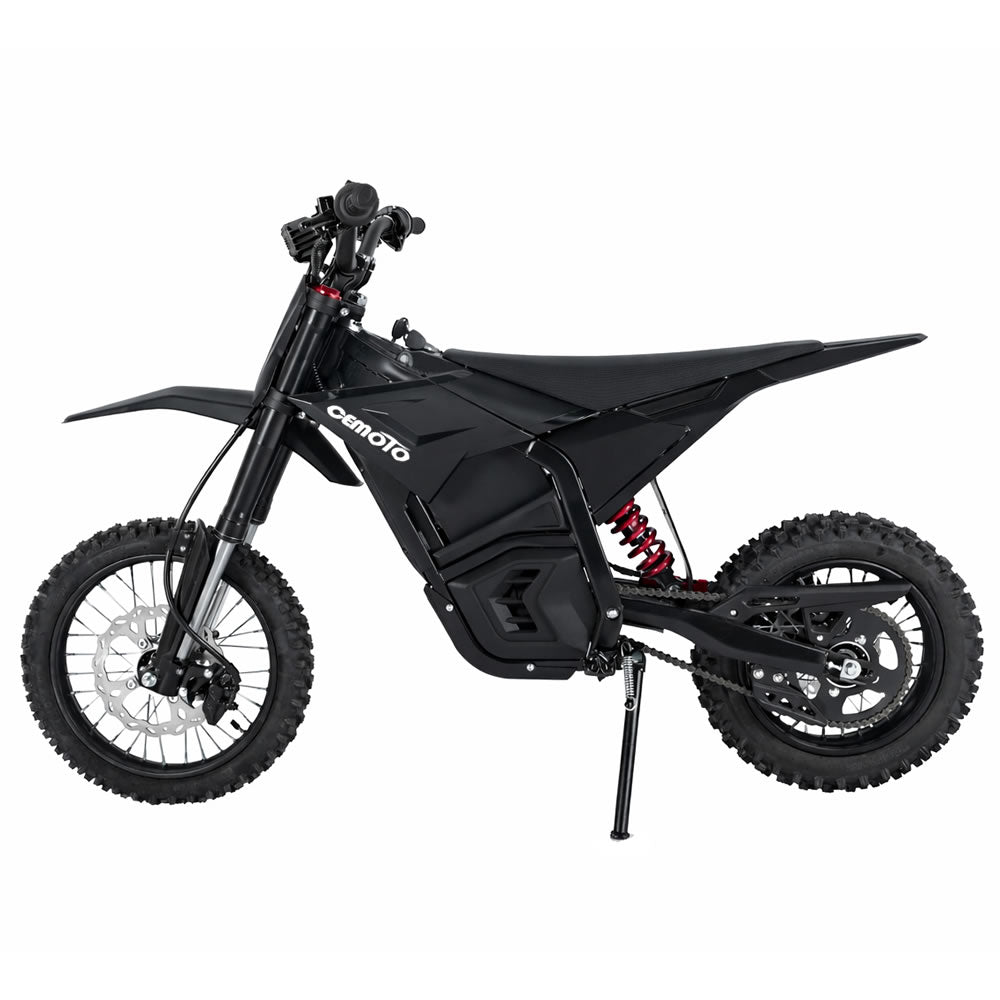
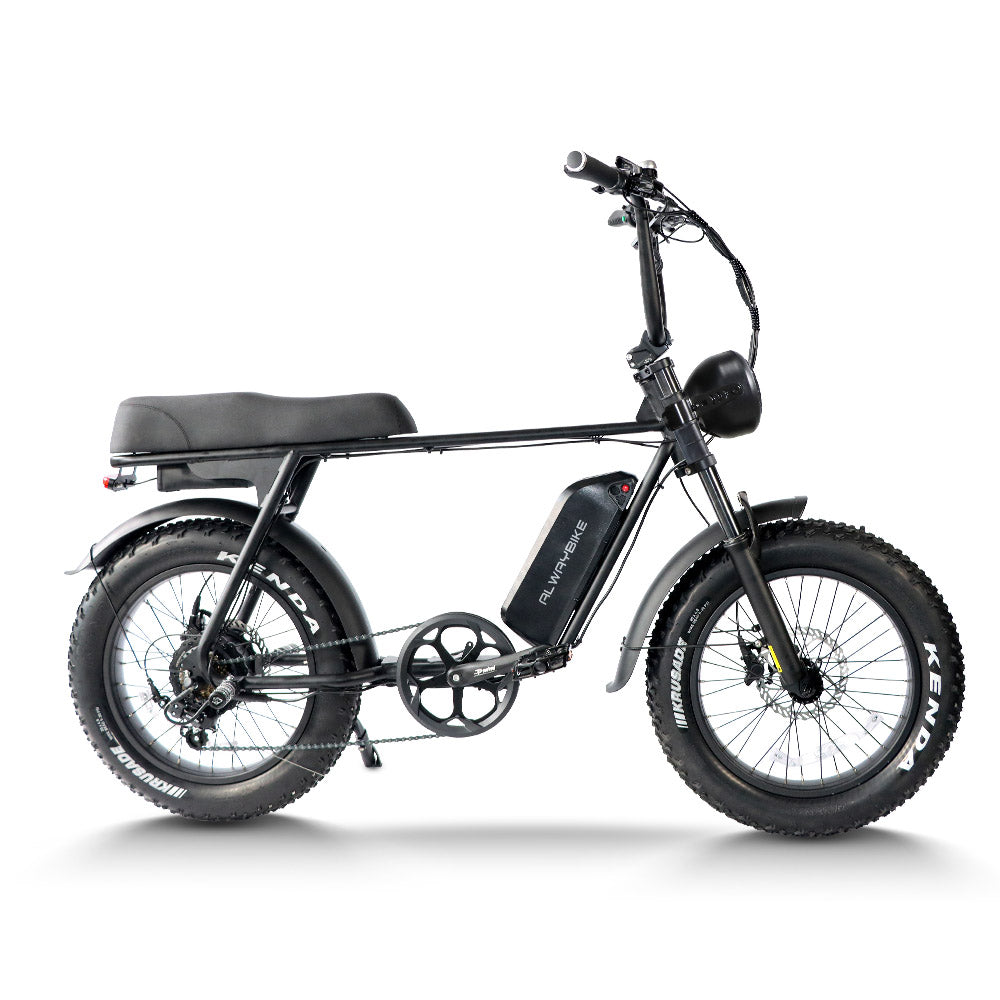
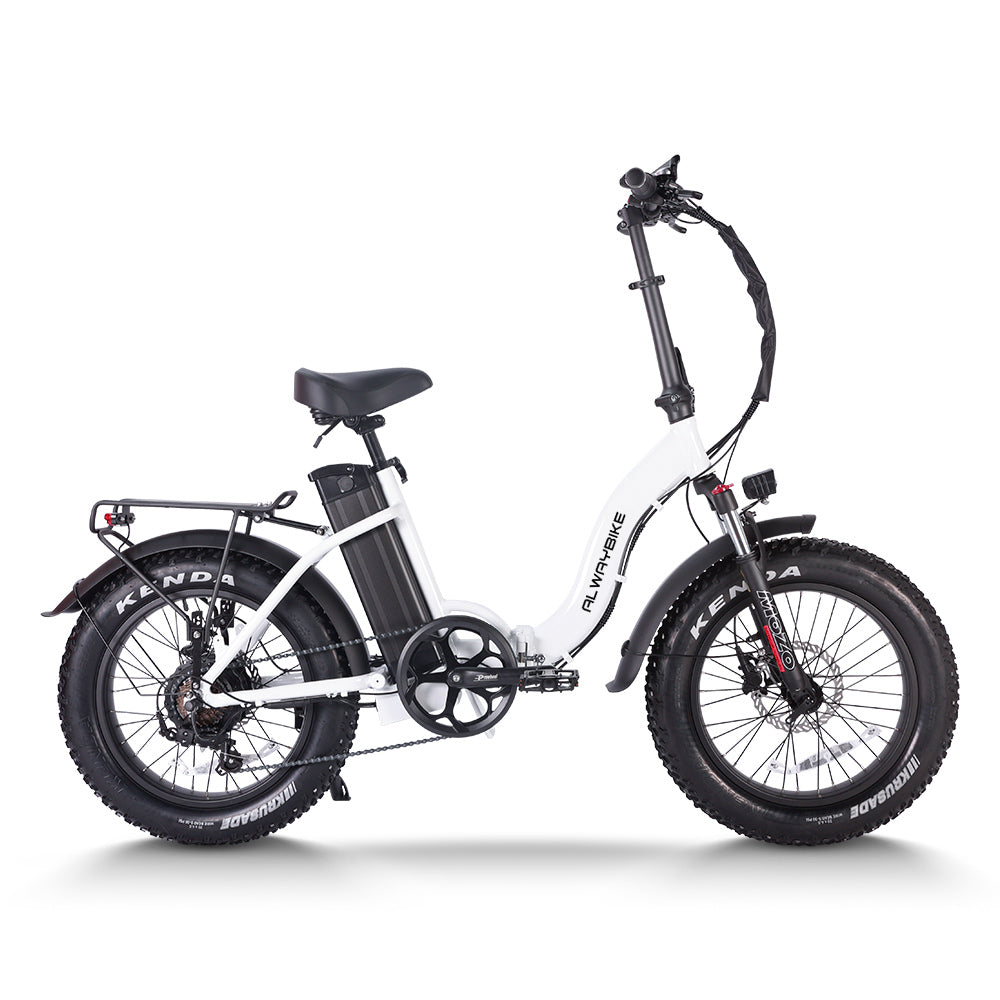
Mid-Drive vs. Hub-Drive E-Bikes for Hills, Commutes, and Trails


Mid-drive e-bikes are often the better starting point for frequent hills and gearing-dependent trail riding, while hub-drive e-bikes can fit flatter commutes and different service priorities. The complete bike—not motor placement alone—determines the final choice, so verify gearing, sensors, battery, brakes, load limits, intended use, local rules, and service support before ordering.
For frequent or sustained hills, mid-drive e-bikes are often the stronger option because the motor can work through the bicycle’s gearing. A hub-drive e-bike may be a practical fit for mostly flat routes or occasional climbs, but the complete system—gearing, sensors, controller, battery, tires, brakes, weight, and load limits—determines the result. The best mid-drive vs. hub-drive e-bike choice starts with your route and riding style, then comes down to verified product details.

How Motor Placement Affects Hills and Heavy Loads
A mid-drive motor sits near the crank or bottom bracket and sends power through the bicycle’s drivetrain. A hub motor sits in the front or rear wheel and drives that wheel directly. The difference matters most on sustained climbs, at low speeds, during repeated starts, or when carrying weight—but it does not create a universal winner. A basic motor-layout explanation supports this distinction without proving the performance of any particular model.
Sustained Climbs and Frequent Hills
A mid-drive is often worth prioritizing for frequent or sustained climbs because you can select a lower bicycle gear while the motor assists. That advantage depends on a suitable gear range, responsive controls, a healthy battery, appropriate tires, and a complete bike designed for the route. A hub-drive may still handle occasional hills, so don’t use motor wattage alone as a shortcut for judging hill performance.
One steep-road study found lower energy use for its mid-drive configuration under the study’s own model, gearing, rider-input, and test conditions. That result should not be treated as a universal efficiency or range promise. The bounded comparison is useful mainly as a reminder that drivetrain matching affects the outcome.

Starting, Cargo, and Stop-and-Go Loads
For cargo or repeated uphill starts, controllable low-speed assistance matters as much as motor placement. Use the matrix below as a screening tool, not a performance guarantee.
| Riding demand | Often favors | Verify |
|---|---|---|
| Incline starts | Mid-drive may be worth a closer look when gearing can be used | Low-speed control, sensor response, battery condition, and braking |
| Repeated acceleration | Either layout, depending on control tuning and rider input | Sensor type, controller behavior, and thermal or support documentation |
| Cargo load | The complete bike matters more than the label | Stated load limit, frame, tires, wheels, brakes, and cargo setup |
| Low-speed control | A predictable, well-tuned system | Test ride if possible; otherwise request written system details |
| Heavy daily use | The layout that matches the route and service options | Parts availability, charging routine, warranty, and repair access |
If hauling is central to your use case, browse cargo e-bike options as a starting point. Verify the actual motor location and specifications for any model before calling it mid-drive or hub-drive.
Choose Between Mid-Drive E-Bikes and Hub Drive for Commuting
For the best motor type for hilly e-bike commuting, start by comparing mid-drive models when hills are frequent or sustained. A mostly flat city route may leave more room for a hub-drive e-bike, especially when straightforward assistance, lower routine drivetrain loading, or a particular service path matters more than using bicycle gearing. Stop-and-go response, bike weight, braking, charging access, storage, and work cargo can matter more than the layout label.
| Riding condition | Often favors | What to verify |
|---|---|---|
| Mostly flat route | Hub-drive may be a practical fit | Start-up feel, weight, battery support, charging access, and service options |
| Frequent hills | Mid-drive is often the stronger starting point | Gear range, sensor type, controller behavior, battery condition, and brakes |
| Stop-and-go traffic | Either, if assistance engages predictably | Sensor and control response, low-speed handling, braking, and rider comfort |
| Steady cruising | Either, based on ownership priorities | Weight, tire choice, range test conditions, storage, and charging routine |
| Carrying a work load | The complete bike and its rated capacity | Rack or cargo compatibility, load limits, frame, tires, and brakes |
Sensor type and controller tuning can change start-up response and low-speed feel, so compare the specification sheet rather than assuming every mid-drive or hub-drive system behaves alike. This buyer-oriented technical comparison treats those details as checks, not universal outcomes. For browsing context, see commuter e-bike styles, then verify each bike’s layout and support details.
When Trail Riding Changes the Motor Decision
Trail riding can make a gearing-friendly mid-drive worth a closer look on sustained or technical climbs, but motor placement does not establish trail suitability. Tires, traction, brakes, wheel setup, clearance, fit, sensor behavior, intended use, and local access rules all remain part of the decision.
Technical Climbs, Traction, and Control
On a technical climb, predictable assistance that works with rider input and bicycle gearing may be easier to manage than a system that does not match the rider’s cadence or speed. That’s a reason to inspect the whole bike—not proof that every mid-drive is trail-ready. Check tire tread and width, wheel strength, braking equipment, frame fit, clearance, and how assistance engages at low speed.
A hub-drive can suit smoother recreational routes when its tires, brakes, frame, clearance, and intended-use documentation match the surface. Conversely, a “mountain” or “all-terrain” label does not prove suitability for every trail, grade, or access area.
Trail Bikes Versus Mixed-Use Weekend Riding
Use these three checks before choosing mid-drive e-bikes for mountain trails:
- Intended use: Match the manufacturer’s stated use to the surface, frequency, and terrain you actually plan to ride.
- Components and controls: Check tires, wheel setup, brakes, clearance, suspension or frame design, gearing, and assistance behavior.
- Actual trail conditions: Confirm local road and trail access rules separately from product marketing.
You can browse mountain e-bike options for category context, but don’t assign a listed bike to either motor category without direct product-page or retailer confirmation.
What Pedaling Feels Like With Assistance Off
With assistance off, motor placement is only one clue. The bike’s freewheel behavior, drivetrain, weight, gearing, tires, and rolling resistance determine whether it feels natural, heavy, or demanding. Riders who frequently conserve battery or ride unassisted should prioritize these details over the mid-drive or hub-drive label.
A test ride is the clearest way to compare drag, handling, and effort. If that isn’t possible, ask for written information about the drivetrain and freewheel design, then compare the bike’s weight, gearing, tire setup, and intended use. Don’t assume every hub motor creates the same resistance or that every mid-drive pedals the same way when power is off.
Compare Maintenance and Serviceability Before Buying
Neither layout is universally easier to maintain. A mid-drive may put more service attention on the chain, cassette, chainring, and shifting system. A hub-drive may shift service toward the wheel, axle access, wiring, controller, and motor-specific parts; a maintenance comparison supports this design-dependent framing.
Routine Wear and Drivetrain Service
| Component or task | Buyer implication |
|---|---|
| Drivetrain wear | Ask whether powered load through the chain and gears changes inspection or replacement needs on the specific model. |
| Wheel and axle access | Confirm how a powered wheel is removed and whether local shops can service the hub, axle, and wiring. |
| Brakes | Verify brake equipment and replacement support for the bike’s weight and intended use. |
| Tires and wheels | Check tire availability, wheel design, and whether your regular route adds unusual wear or service demands. |
| Electrical connectors | Ask how connectors, controller, display, and diagnostics are supported after the warranty period. |
The layout tends to shift service priorities rather than eliminate maintenance. For a broader ownership screen, our e-bike repairability checks can help you identify questions about proprietary parts and battery replacement. Exact intervals and costs still belong to the model’s documentation.
Parts, Battery Support, and Repair Access
Before ordering, confirm replacement-battery availability, compatible wear parts, controller and display support, diagnostic procedures, warranty boundaries, and nearby service providers. Ask whether the retailer can supply a service manual or written repair pathway. Don’t open a battery or improvise electrical repairs; use qualified service support for battery, wiring, and controller work.
Verify the Motor Layout Before You Buy
Before applying any mid-drive vs. hub-drive e-bike recommendation to a specific listing, confirm the motor location and the supporting specifications that affect the comparison. If a key detail is missing, treat it as unknown and request written confirmation rather than inferring it from wattage, photos, “mountain” language, or a category name.
- Confirm the motor location. Look for crank or bottom-bracket placement for a mid-drive, or front- or rear-wheel-hub placement for a hub-drive. If the listing is unclear, ask for a written answer.
- Verify the stated motor and system information. Record the motor description, controller details, sensor type, and any documented operating limits. Don’t turn wattage into a prediction of hill performance, range, safety, or legal classification.
- Inspect gearing and sensors. Check the gear range, shift setup, cadence or torque sensing, and how assistance is described at low speed.
- Check battery and charger documentation. Confirm battery capacity as listed, charger compatibility, replacement availability, charging instructions, and support after the warranty period.
- Confirm use, load, brakes, and local compliance. Match intended use to your route, cargo, tires, frame, and brakes. Also check state and local e-bike classification, power and speed rules, road access, and trail access. A California-focused e-bike policy review notes that state and local rules can differ; it is not a nationwide legal summary.
- Ask about parts, warranty, and service access. Request written information about replacement parts, diagnostics, authorized service, warranty limits, and post-warranty repairs. If those answers aren’t available, pause the purchase. You can browse all CEMOTO e-bikes after deciding which specifications to verify, but no CEMOTO model should be classified as mid-drive or hub-drive without direct confirmation.
FAQs
These questions cover conditions that can change the motor-layout comparison. For any specific bike, verify the written specifications, intended use, and local rules before ordering.
Can a Hub-Drive E-Bike Handle a Steep Hill?
It may, depending on the system, route, battery condition, load, low-speed control, and braking. Don’t use a wattage label as a substitute for those checks.
Is a Mid-Drive E-Bike Always Better for Mountain Trails?
No. Verify intended use, traction, tires, brakes, frame and wheel design, clearance, control behavior, and local trail rules; motor placement alone does not establish trail suitability.
Does Motor Placement Affect E-Bike Range?
It can affect energy use, but range also depends on battery capacity, assistance level, terrain, weight, speed, tires, temperature, and documented test conditions.
What Should I Ask a Retailer If the Product Page Does Not Say Where the Motor Is?
Ask for written confirmation of crank or bottom-bracket versus front- or rear-hub placement, plus sensor, gearing, battery, load, brake, warranty, compliance, and service details. Pause the order until the missing information is documented.
