

How Much Does an E-Bike Weigh? A Practical Transport and Storage Check


The weight that matters is the complete e-bike configuration you must control at the hardest regular lift—not an isolated frame number. This guide explains battery and accessory effects, separates lifting practicality from rack compatibility, and provides a five-step worksheet for checking current specifications before you order.
The most useful answer to “how much does an electric bike weigh?” is not one universal number. For transport and storage, use the complete setup you’ll have to control during the hardest lift you regularly make: the bike, installed battery, and any accessories that stay attached. A listed weight is only useful for comparison when you know what it includes.

That distinction matters whether you’re carrying a lightweight ebike up stairs, lifting it onto a rack, loading it into an SUV, or moving it through a hallway. Start with the current product specifications, identify the ready-to-ride and battery-removed configurations, and then compare those figures with your actual route and equipment.
 ## How Much Does a Lightweight Ebike Weigh in Practice?
There’s no single weight that works for every shopper. A practical comparison starts with the bike’s current stated weight and asks whether it covers the bike only, the battery, installed accessories, or shipping. If the listing doesn’t define the measurement, treat it as incomplete instead of comparing it directly with a better-documented model.
## How Much Does a Lightweight Ebike Weigh in Practice?
There’s no single weight that works for every shopper. A practical comparison starts with the bike’s current stated weight and asks whether it covers the bike only, the battery, installed accessories, or shipping. If the listing doesn’t define the measurement, treat it as incomplete instead of comparing it directly with a better-documented model.
Use these three labels when reading a product page:
- Ready-to-ride weight: the setup you normally move from the garage, storage area, or apartment. Confirm whether it includes the battery and standard equipment.
- Battery-removed weight: the weight of the bike after removing the battery, if the battery is designed to come out and the manufacturer provides that figure or enough current information to verify it.
- Unclear listing weight: any number that doesn’t explain whether it includes the battery, charger, pedals, racks, fenders, or other equipment.
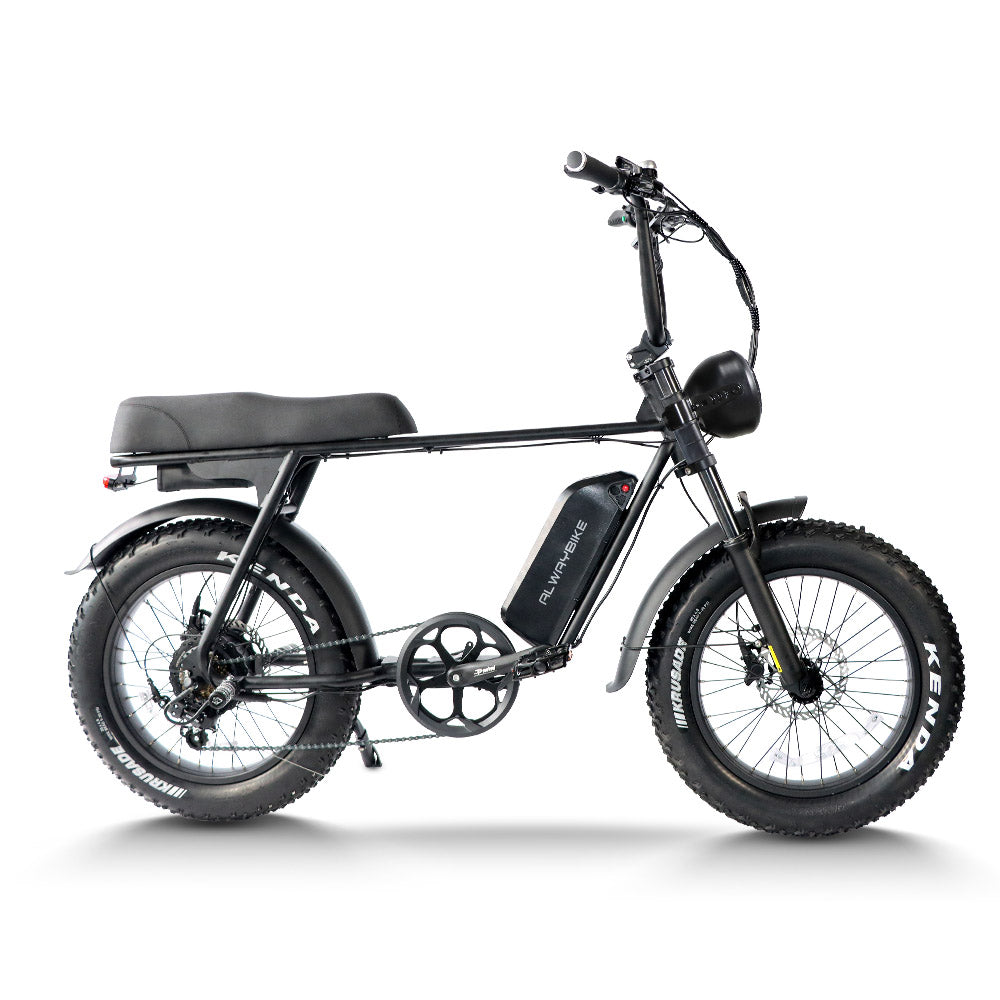
Folding, commuter, mountain, and fat-tire models can differ substantially in how difficult they are to handle. Comparative datasets show broad variation across e-bike formats, but that context is not a current US average, a safe lifting limit, or proof that one category is always lighter. E-bike weight comparisons can help explain why “typical” is a weak buying standard; a current, like-for-like specification is more useful for your decision.
The hardest-lift test is simple: identify the heaviest setup and most awkward repeated movement you’ll actually perform. A bike that feels manageable across a garage may be a poor fit for several flights of stairs or a high rack. If you can’t maintain control through the lift, turn, carry, and set-down, change the handling plan or get assistance rather than relying on a marketing label such as lightweight.
For broader context on what can make an electric bike easier to live with, see these lightweight e-bike factors. Use that article for general orientation, not as a substitute for the current weight of a specific bike.
What Changes an E-Bike’s Real Carry Weight?
The load you take to the stairs, rack, trunk, or storage area depends on more than the frame. Battery configuration, installed equipment, bike construction, and the manufacturer’s weighing method can all change the result. Compare matching configurations, and record removable weight separately only when current product information verifies it.
Battery Removal and Carry Comfort
Removing a battery may make an e-bike easier to handle, but only under the right conditions. The design must allow removal, and the remaining bike must still be balanced, easy to grip, and manageable to carry and set down along your route. Removing the battery helps with handling; it doesn’t prove that the complete bike is practical for stairs or a rack.
Before relying on battery removal, confirm:
- Removability: the current product information or instructions must show that the battery is intended to come out.
- Remaining control: assess the bike’s balance, grip points, shape, and weight after removal—not just how much weight you’ve taken off.
A battery that’s easy to remove at ground level may not solve an awkward lift if the remaining frame is difficult to hold or the route has tight turns. Keep the removed battery secure, too; don’t leave it loose in a vehicle or on a carrier unless the relevant instructions allow that arrangement.
Accessories That Stay on the Bike
Accessories can turn a bare-bike comparison into a different moving load. Count anything that remains installed when you lift, carry, or load the bike, including:
- rear or front racks and baskets;
- fenders, bags, locks, and lights;
- child-carrying equipment or seats; and
- bottles, tools, and other items stored on the bike.
Write down the setup you normally transport instead of relying on the bare-bike number on a product page. Rack instructions may also require removing detachable accessories, batteries, or loose items before travel. Yakima’s carrier instructions, for example, show that a bike on a rack may need to be configured differently from a bike ready to ride. Yakima’s bike-carrier instructions are an equipment-specific example; follow the exact instructions for your carrier.
Why Published Weight Numbers Differ
A listing may separate bike-only weight, battery-included weight, accessory-equipped weight, and shipping weight. Those figures answer different questions. Shipping weight can include packaging, while bike-only weight can leave out the battery you carry every day.
Use the ready-to-ride figure for normal moving, then record a verified battery-removed figure as a separate reference. Don’t infer missing weight from motor wattage, tire size, payload capacity, folding status, or product category. Larger batteries, robust tires, suspension, reinforced frames, racks, and other equipment can add weight, but the exact difference belongs in the current specifications—not in a generic formula.
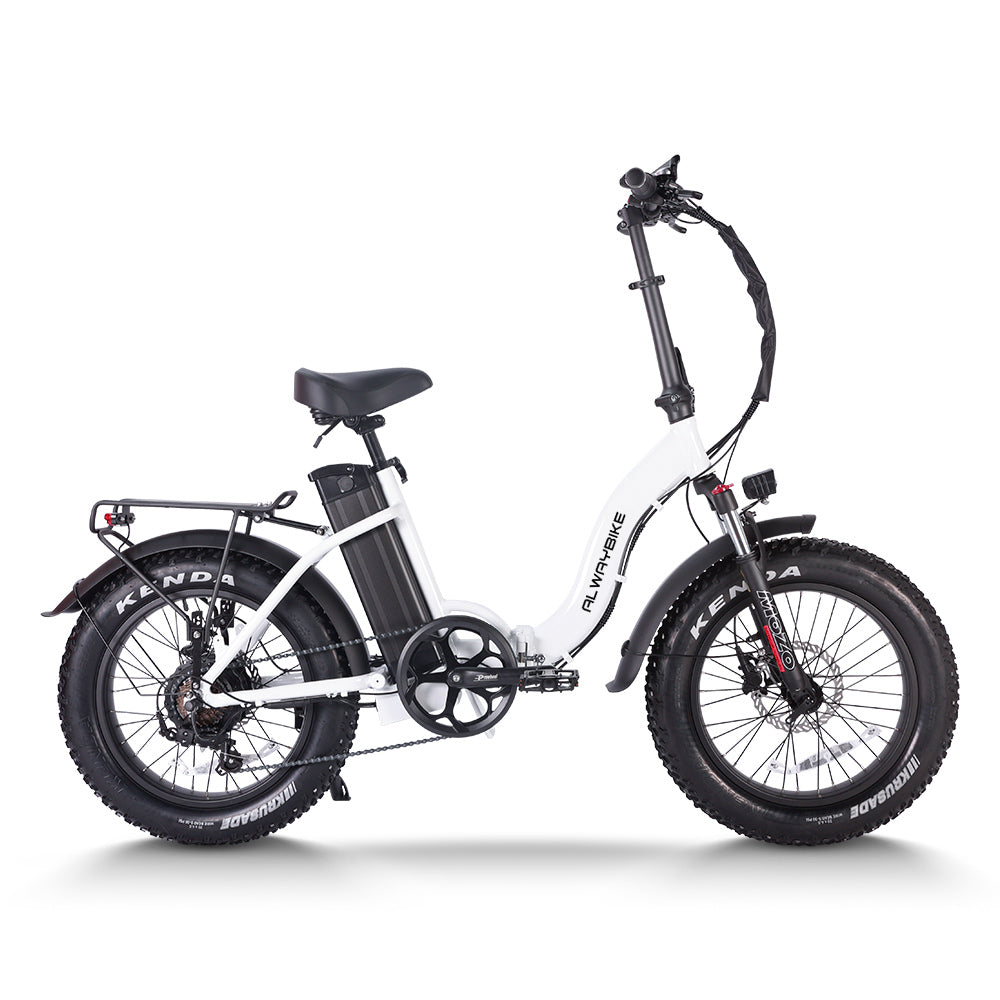
If compact storage is your priority, compare foldable e-bike options based on their storage approach, then verify the lift weight independently. Folding dimensions can improve doorway or closet fit without making the bike light enough for repeated carrying.
Where Will You Lift and Store the E-Bike?
Choose an e-bike based on the hardest regular handling moment, not the easiest move. Lifting practicality, rack capacity, vehicle limits, and storage clearance are separate considerations; a bike can pass one check and fail another.
Stairs and Indoor Storage
For stairs, assess more than the number on the scale. Note the number of flights, landings, corners, hand position, turning space, and whether the bike blocks your view or forces you to twist. A repeated apartment carry matters more than an occasional move across a flat garage.
Measure doorways, elevator openings, narrow corners, and the final storage footprint. Include the equipment that stays installed. A folding frame may reduce the storage length or width, but folding dimensions don’t replace a check of lift weight, grip, and balance. If you can’t control the bike through the highest or most awkward point, plan for assistance or a different storage location.
Car Racks and Vehicle Loading
A rack decision isn’t settled by the bike’s weight alone. Check the complete transported setup against the lowest applicable limit among the per-bike limit, carrier or system limit, and vehicle limit. Thule’s carrier guidance reflects this hierarchy: don’t exceed the applicable individual, carrier, or vehicle capacity, and follow the carrier’s instructions for the transported setup. Review the exact Thule carrier instructions for your equipment instead of treating general rack guidance as compatibility proof.
| Handling scene | Weight, capacity, and fit checks | Safer next action |
|---|---|---|
| Hitch or trunk rack | Check rack height, per-bike capacity, total carrier capacity, vehicle limit, frame contact, wheel clearance, and attachment method. | Test how the complete setup reaches the rack; remove parts only when the bike and rack instructions permit or require it. |
| SUV or hatchback loading | Check the lift height, cargo opening, interior length, seat position, and whether the bike fits without forcing the frame or controls against hard surfaces. | Measure the opening and set-down area, then plan where the battery and accessories will travel. |
| Vehicle-interior loading | Check the folded or disassembled dimensions, remaining carry weight, tie-down points, and clearance around the battery and controls. | Use padding and a stable restraint plan appropriate for the vehicle and bike instructions. |
Removing the battery may lower the load you lift to a rack, but it doesn’t establish frame support, wheel clearance, secure attachment, or vehicle compatibility. Confirm those separately using the exact bike, carrier, hitch or trunk interface, and vehicle documentation.
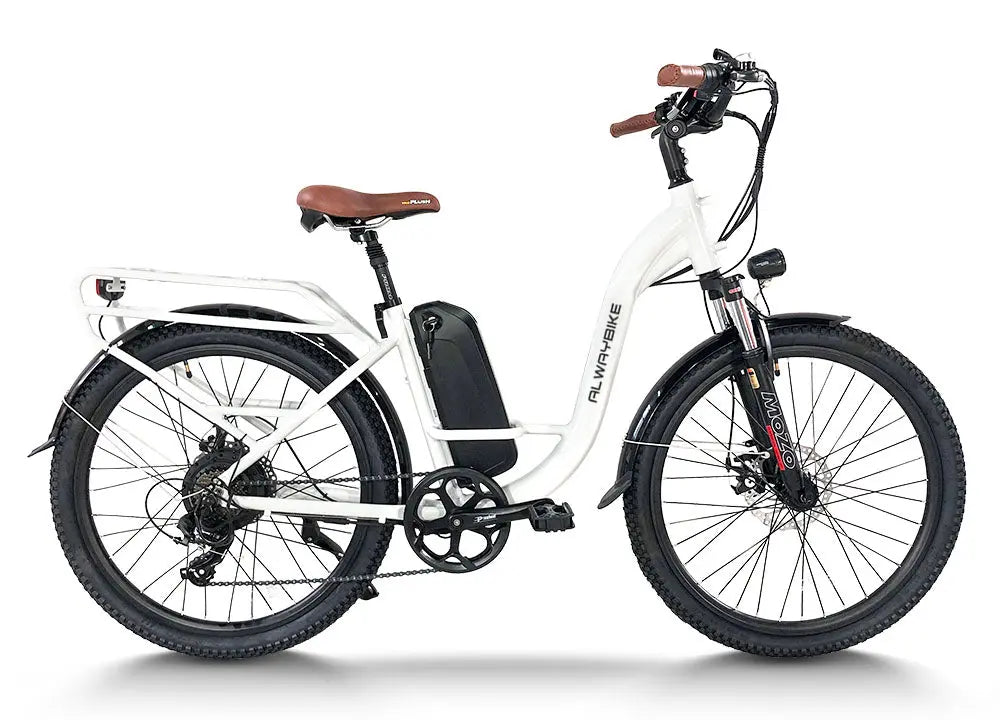
For shoppers comparing commuter formats, step-through commuter e-bikes are a useful navigation path, but the collection doesn’t by itself prove a model’s lift weight or rack fit.
One-Person or Two-Person Handling
Use a one-person plan only when that person can repeatedly lift, balance, carry, and set down the actual setup without losing control. The highest point, awkward grip, and final set-down often matter more than a short initial lift.
A two-person lift requires agreed hand positions, a clear route, and enough room to coordinate. Two people don’t create a universal safe weight limit, and an improvised handoff can increase the chance of losing control. If either person can’t see the route or maintain a stable grip, stop and revise the plan.
Verify the E-Bike Fits Before You Order
Use this five-step worksheet before comparing a “lightest ebike for lifting” claim with your own setup. Leave any unanswered specification as a seller question until it’s resolved.
- Record the listed configuration. Copy the current bike weight and the wording beside it. Mark whether the battery, pedals, charger, racks, fenders, and other standard equipment are included. If the page is silent, write “unclear” instead of assuming.
- Identify verified removable parts. Confirm whether the battery and any other substantial part is removable, then record the battery-removed weight only if the product information provides it. Don’t estimate the remaining weight from motor size or battery capacity.
- Add installed equipment. List what will stay on the bike during your normal move or transport: locks, bags, racks, baskets, lights, fenders, seats, and other add-ons. Use this complete setup for the hardest-lift test.
- Measure the route and transport interface. Record stair flights, landings, doorway and elevator clearances, turning space, storage footprint, rack height, vehicle opening, and the carrier’s per-bike and total limits. Check the vehicle limit separately.
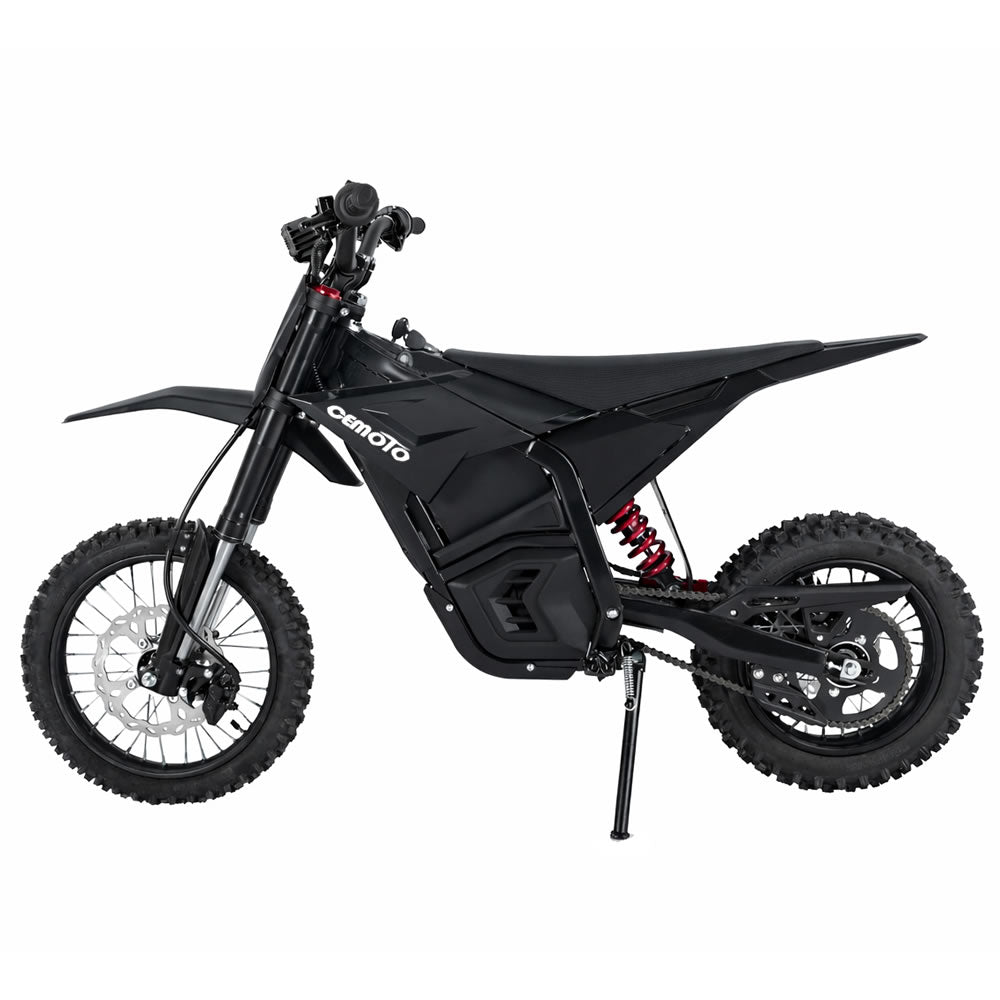
- Confirm unresolved details before ordering. Ask the seller for the ready-to-ride weight, battery inclusion, battery-removed weight if available, installed-equipment assumptions, dimensions, and transport compatibility details. You can browse CEMOTO e-bikes, but use the live product page or support team to resolve missing specifications before placing an order.
The goal isn’t to find a universally light bike. It’s to find a setup you can control on your hardest regular route and transport within every applicable equipment limit.
FAQs
These questions cover details that can change a weight comparison after you’ve identified your route, transport setup, and storage limits.
1. How Heavy Is a Typical E-Bike Without Its Battery?
There’s no dependable battery-removed figure that applies across every e-bike format. Ask for both configurations and compare them only when the equipment assumptions match.
2. Does Removing an E-Bike Battery Make It Easier to Carry Upstairs?
It can, but only if the battery is designed for removal and the remaining bike is easier to grip and balance along the full stair route. Check the removal method, remaining weight, tightest turn, and set-down space.
3. Can One Person Lift an E-Bike Onto a Car Rack?
There’s no universal cutoff. Check the loaded setup, rack height and design, per-bike and carrier limits, vehicle limit, and frame or wheel support. If control is uncertain, use assistance or another loading plan.
4. What Should Apartment Dwellers Measure Before Buying a Lightweight E-Bike?
Measure flights, landings, elevator and doorway clearances, turning space, storage footprint, and the equipment left installed. Also note where you must open doors or set the bike down.
