

Electric Tricycle or E-Bike: Which Is Easier to Live With?


An electric tricycle can simplify low-speed starts, stops, and routine cargo, while a two-wheel e-bike often fits narrow routes, compact storage, and bicycle-like handling better. The easier choice depends on the constraint you face every day.
An electric tricycle can be easier to live with when low-speed steadiness, easy starts and stops, and a stable way to carry everyday items matter most. A two-wheel e-bike may be the better fit for narrow gates, tight turns, crowded paths, or limited storage. Neither format is automatically safer or easier for every rider, so compare the actual frame, route, parking space, and typical cargo before you buy.

Choose an Electric Tricycle When Low-Speed Steadiness Matters Most
A three-wheel layout can feel more settled while stopped or moving slowly, while a two-wheel e-bike requires the active balance and familiar handling of a traditional bicycle. Wheel count is only part of the equation: frame design, controls, rider experience, and cornering response all matter.
Balance at Stops and Slow Speeds
A two-wheel e-bike requires the rider to manage balance during starts, stops, and very slow riding. Motor assistance can help with acceleration, hills, and wind resistance, but it does not change the basic handling demands of a bicycle, as described by the Federal Highway Administration.
A typical fixed-frame tricycle reduces the need to balance while stopped or creeping forward. That is a low-speed design tradeoff—not a guarantee that every turn will feel easy or that the vehicle cannot tip. Three-wheel layouts can behave differently in corners, so starts, stops, and slow turns still deserve practice.

Do not assume every three-wheel electric bike handles the same way. A fixed-frame tricycle and a tilting tricycle can produce different balance responses; a tilting model may retain more of the active leaning feel associated with a bicycle. Before choosing, test a full stop, a wobble-free restart, slow left and right turns, and braking from walking speed.
Mounting Position and Rider Confidence
Mounting comfort depends more on the frame and controls than on the number of wheels. Check whether you can step through or swing a leg over without twisting, place both feet comfortably, reach the brake levers, and see or operate the controls from your normal seated position.
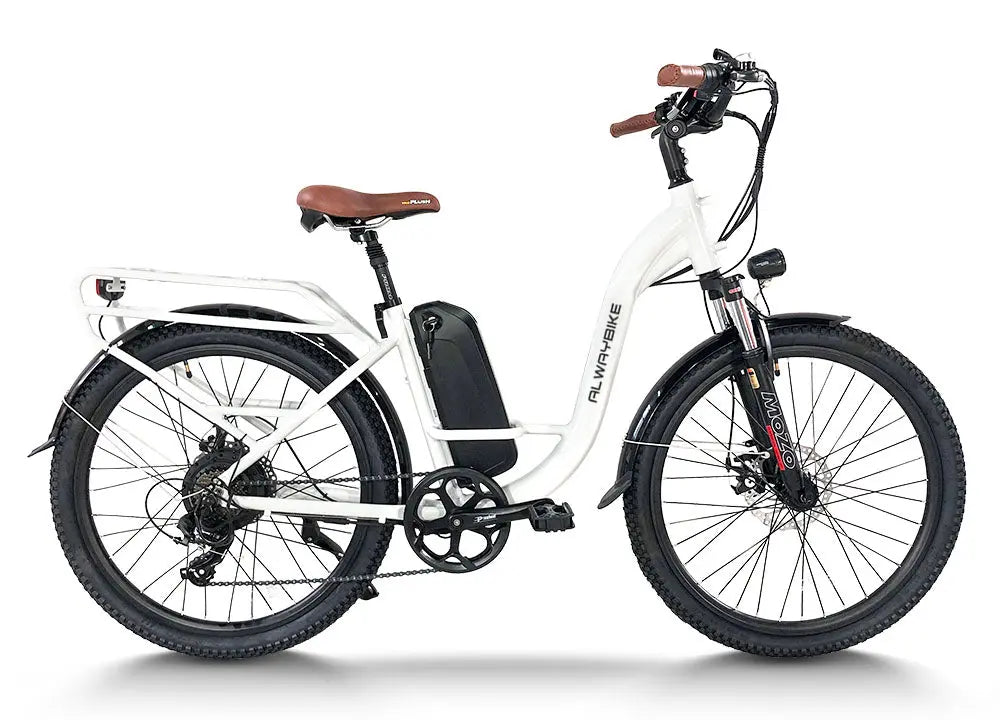
Start the test ride before building speed. Approach the bike from the side, mount and dismount several times, start on level ground, stop with the brakes, and repeat the sequence while turning slowly. Riders comparing step-through e-bike options can use the same access checks, but should test the complete bike rather than assume a low frame guarantees comfort or control.
Account for Turning Space Before Choosing Three Wheels
A two-wheel e-bike usually takes up less width and may be easier to guide through narrow spaces. A tricycle can need more room for a corner, U-turn, or parking alignment, and its response varies with the specific delta or tadpole configuration. Measure the tightest point on your route instead of relying on a universal turning-radius claim.
The three-wheel configuration research describes different tradeoffs between delta and tadpole designs, including turning behavior and space needs. Use that finding as a reason to inspect the model, not as a performance promise for every consumer tricycle.
| Daily situation | Tricycle consideration | Two-wheel e-bike consideration |
|---|---|---|
| Tight turns | Check whether the rear or front layout clears the corner without repeated repositioning. | Bicycle-like steering may make a tight bend feel more familiar if low-speed balance is comfortable. |
| Narrow gates and doorways | Measure the widest point, including mirrors, baskets, and accessories. | Often simpler to align, but measure the handlebar and accessory width too. |
| U-turns | Test the complete turn in the actual lane, driveway, or path. | May need less lateral space, though the rider must actively balance. |
| Crowded paths | Extra width can make passing and avoiding obstacles more demanding. | Compact handling may help, but pedestrian traffic and local path rules still determine the route. |
| Parking alignment | Confirm there is room to enter, turn, and leave without blocking access. | A smaller footprint may simplify rack or wall alignment; verify that the rack accepts the frame. |
Measure the narrowest gate, doorway, path section, and garage aisle. Then test the tightest expected turn with the actual model—or request its complete width and wheelbase before ordering. That is the key distinction in three-wheel stability and storage: steadiness at low speed does not change the geometry of a wider vehicle.
Check Storage and Parking at Home and Work
The easier format is the one that reaches its storage location, fits the available space, can be secured, and can be charged without becoming a daily obstacle. A two-wheel e-bike may suit an apartment, office rack, or narrow garage better, while a tricycle can work well when the access path and parking area have enough clearance.
Measure the Storage Path
Use a tape measure from the street or elevator to the final parking spot:
- Measure the narrowest doorway, gate, hallway, elevator entrance, and garage passage.
- Check the floor space and turning room where the bike will actually be stored, not just the open area beside it.
- Confirm where the battery will be stored and charged, and whether the charger can reach that location.
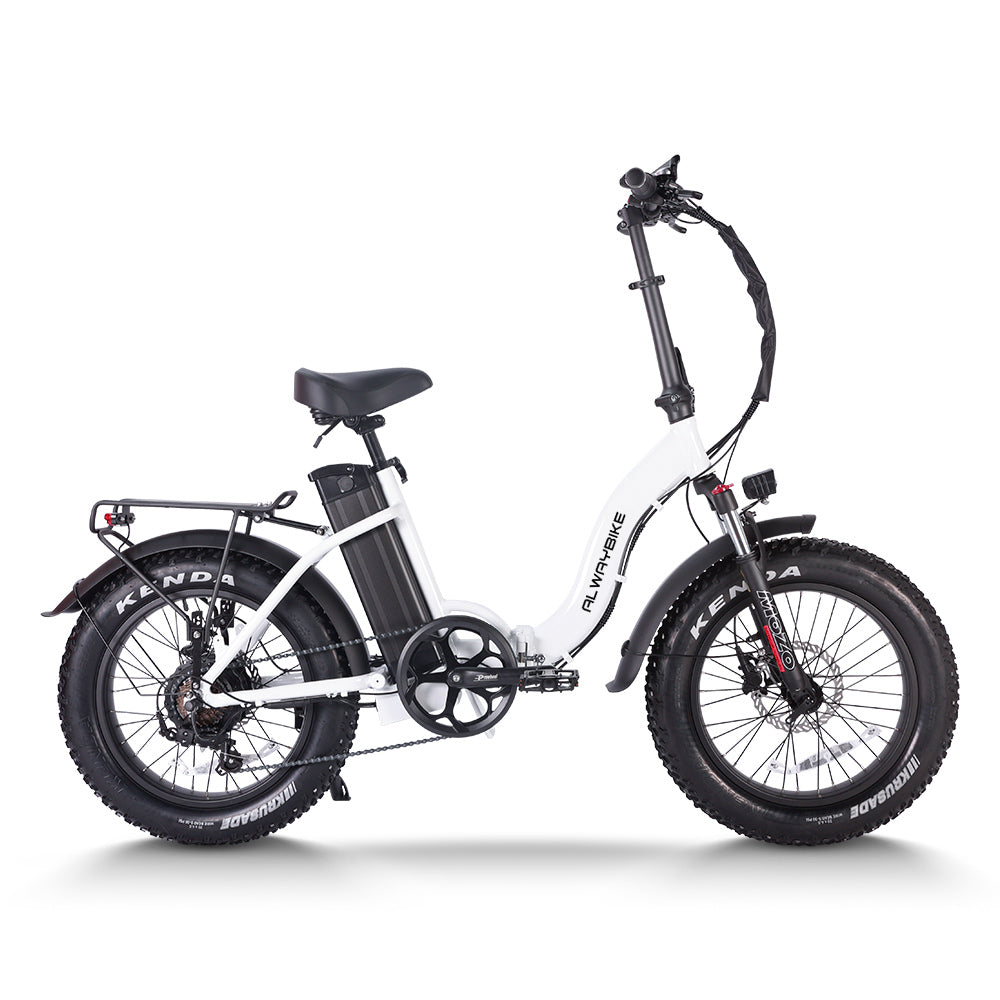
Include door swing, wall corners, rack spacing, and the effort required to reposition the bike. A folding design may help in some homes, but verify the folded width, weight, hinge design, and lifting path. For more ideas, see these urban e-bike storage ideas, then compare them with the dimensions of the model you are considering.
Plan Parking and Theft Deterrence
Look for a fixed object that accepts your lock, confirm building or workplace rules, and account for rain, snow, and direct sun. A larger tricycle footprint may limit rack choices or make indoor repositioning harder; a narrower e-bike may fit more locations but still needs a suitable locking point.
Security planning reduces friction but does not guarantee theft prevention. If you must move the bike through a shared hallway, lift it over a threshold, or carry the battery upstairs, include that repeated effort in your decision. A bike that technically fits but takes several awkward maneuvers every day may not be the easier format in practice.
Match Cargo Needs to Everyday Errands
A tricycle may suit groceries or personal items when you want a stable basket or rack arrangement and have enough room to maneuver. Three wheels do not automatically mean greater capacity, though: compare the specific rack, basket, stated payload, load placement, and handling with the intended load.
For a loaded tricycle, load placement and center of gravity can affect handling; an independent technical study found that added weight and a higher center of gravity can reduce the margin against rollover in its test context. That study concerns a particular delta vehicle, so do not apply its thresholds to a consumer model.
| Errand pattern | Tricycle may fit when | Two-wheel e-bike may fit when |
|---|---|---|
| Groceries | The model has a suitable basket or rack, published limits, and a route with enough turning room. | The load is modest, secured close to the frame, and storage access is tight. |
| Backpack or work bag | You want a dedicated load area that stays separate from the rider's back. | A rack, pannier, or backpack setup meets the normal load without affecting control. |
| Child or pet transport | The specific model allows it, the equipment is designed for that use, and local rules permit it. | The bike's manufacturer-approved accessories and limits specifically cover the intended setup. |
| Carrying the bike into storage | The rider does not need to lift or maneuver it through a difficult access path. | A lighter or more compact format is easier to move to the storage location. |
Write down the normal load—not the occasional maximum—and identify where each item will sit. Verify the manufacturer's rack, basket, payload, and passenger restrictions, then test with a representative load when possible. This makes a three-wheel-versus-two-wheel comparison more useful than assuming a larger-looking cargo area will handle every errand.
Use Your Route and Routine to Make the Final Choice
Choose the format that removes the biggest recurring inconvenience: an electric tricycle for low-speed steadiness and a stable load setup when space allows, or a two-wheel e-bike for compact storage and tighter, bicycle-like maneuvering when active balance is comfortable.
- Map the space. Mark the tightest turn, narrowest access point, parking area, and storage path. Measure each one against the specific model.
- Record the riding pattern. Note stop frequency, mounting needs, slow maneuvering, and your comfort balancing at a stop.
- Check cargo and parking. List the normal load, where it will be secured, where the bike will be locked, and how the battery will be charged.
- Verify before riding. Practice mounting, starts, stops, slow turns, the tightest expected turn, parking, and storage access. Check local rules, manufacturer directions, weight limits, and pre-ride condition; the CPSC micromobility guidance is a useful reminder.
If low-speed confidence or routine cargo is the recurring hurdle, test a tricycle. If narrow clearance, compact parking, or bicycle-like maneuvering is the issue, compare step-through commuter e-bikes. Choose based on the constraint that would make every trip inconvenient if ignored.
FAQs
Is an Electric Tricycle Easier to Ride Than an E-Bike?
It depends on the task. A tricycle may reduce active balance demands during stops and slow starts, while a two-wheel e-bike may feel more natural through narrow spaces and familiar bicycle maneuvers. Test both after several repeated starts and stops, not just during a straight, faster ride.
Which Is Easier to Store in an Apartment, an Electric Tricycle or an E-Bike?
Usually, the narrower option offers more apartment-storage possibilities, but the actual access path decides it. Measure the elevator, hallway, doorway, turning room, final footprint, battery-removal path, and charging location; a bike that fits the room but cannot reach it is not a practical fit.
Are Electric Trikes Good for Commuting in City Traffic?
They can work for a commute when the route has adequate lane or path clearance, manageable turns, legal access, and parking that accommodates the full footprint. Tight turns, crowded paths, frequent repositioning, and limited parking may make a two-wheel e-bike more practical, but check local rules rather than treating either format as universally safer in traffic.
Can an Electric Tricycle Carry More Than a Two-Wheel E-Bike?
Not automatically. Compare each model's rack or basket design, published payload limit, load placement, and restrictions on passengers or pets. If the seller does not clearly state those details, treat capacity as unresolved and do not base the purchase on the appearance of the cargo area.
What Should I Test Before Buying an Electric Tricycle or E-Bike?
Test in this order: mount and dismount, start from a stop, brake to a stop, make slow left and right turns, complete the tightest expected turn, align with the parking spot, pass through the storage path, and repeat the ride with the intended cargo. A model that passes a straight-line demo but fails the storage or loaded-turn test is not the easier daily choice.
