
Electric Scooter or E-Bike for a Short Commute? Decide by Storage and Service


Use the electric scooter vs. e-bike comparison to screen storage, route, charging, service, and local access before choosing a category or buying.
For an electric scooter versus e-bike decision, a short commute does not automatically favor one vehicle. Start with the complete daily routine: favor a scooter when compact storage and carrying dominate on a relatively smooth route; favor an e-bike when comfort, utility, terrain, or varied surfaces matter more and storage is workable. Choose neither for now if storage, permitted charging, route fit, service support, or legal access fails.

Electric Scooter vs E-Bike: Make the First Choice by Storage and Service
Start with a scooter when compact storage and carrying dominate on a suitable route, an e-bike when comfort, utility, terrain, or varied surfaces matter more and storage works, and neither when a material gate fails. A short-route category comparison supports this bounded split, not a universal winner or distance cutoff.
| Commute condition | Starting category to investigate | Decision check |
|---|---|---|
| Indoor storage, stairs, or a narrow entry | Scooter, if its exact weight and folded dimensions pass | Measure the doorway, stair or elevator path, storage spot, and charging area. |
| Frequent carrying between home, work, or transit | Scooter, only when the verified lift weight is manageable | Compare actual carry weight, folded size, battery arrangement, and the number of daily lifts. |
| Smooth pavement and suitable access | Scooter | Inspect the entire route, then confirm weather, charging, service, and local access. |
| Rough or mixed surfaces, hills, or more utility | E-bike | Confirm that the exact model and route guidance fit the recurring conditions. |
| Rain, standing water, snow, ice, heat, or poor visibility | Scooter, e-bike, or neither | Use exact-model operating guidance and change the route or commute plan when conditions fall outside it. |
| No permitted, dry charging location | Neither for now | Resolve building, workplace, and backup charging permission before shopping. |
| Unclear parts, repair, battery, or warranty support | Neither for now | Ask about exact-model support and repair turnaround before placing an order. |
| Unclear classification or route permission | Neither for now | Verify current rules for every planned street, lane, trail, sidewalk, and property segment. |
Use this screening order: storage and charging first, route and weather second, service third, and legal access last. If any material gate fails, do not force an electric scooter versus e-bike decision. Measure the physical path and verify route access before opening a product page.
Check the Full Storage and Carrying Path
A vehicle passes the storage test only when you can move it from the building entrance to its storage and charging locations without an unmanageable daily burden. Folding is a feature to measure, not proof that a vehicle is easy to carry.
- Trace the entrance: Measure the building entry, doorway, hall, elevator, and stair route. Include turns, door swings, and any point where the vehicle must be lifted.
- Measure storage: Check both the assembled and folded space, plus clearance for removing or connecting the battery and charger.
- Confirm security and exposure: Identify a dry, secure location and confirm that your building, landlord, or workplace permits storage there.
- Verify the exact vehicle: Compare official dimensions, folded dimensions, lift weight, folding hardware, and battery-removal arrangement with the path you use every day.
- Test the daily burden: Count how often you will carry, unfold, secure, and charge it. A model that fits on paper can still be impractical if the repeated lift or maneuver is too difficult.
An electric scooter is the starting category when a narrow entrance or stairs make a compact vehicle essential, but the exact model's weight and dimensions decide whether it passes. An e-bike can work with secure ground-level or elevator storage when seated riding, utility, or route demands outweigh its larger footprint. If exact dimensions or carry weight are unavailable, treat apartment fit as unconfirmed rather than assuming portability.

Test Route Surface and Weather Fit
Inspect the door-to-door route, not just its distance. A scooter may fit a smooth, suitable route when storage and carrying are the hardest constraints. An e-bike may be the better starting category when comfort, terrain, hills, traffic exposure, or mixed surfaces matter more, provided the exact model and route guidance fit.
NHTSA notes that many reported e-scooter crashes are single-vehicle crashes associated with poor or unsuitable pavement. Treat potholes, cracks, and poor pavement as route-fit checks, including curb transitions, debris, uneven pavement, and surface changes. This does not mean an e-bike automatically solves poor-surface risk; it means the route needs inspection before either category is selected.
Audit these conditions on the actual commute:
- pavement quality, potholes, cracks, curb transitions, and debris;
- hills, traffic exposure, crossings, parking, and visibility;
- rain, standing water, snow, ice, heat, and seasonal exposure; and
- whether every route segment is suitable for the exact vehicle under its current instructions.
Choose a scooter when the route is consistently suitable and compact carrying remains the dominant need. Choose an e-bike when varied terrain or surfaces better match its documented use guidance. Choose neither, or change the commute plan, when recurring ice, flooding, unsafe traffic segments, poor visibility, or other conditions fall outside the vehicle's guidance.
Confirm Charging and Service Before You Commit
Continue shopping only when charging and support are practical for the exact model. Map a permitted, dry, secure charging location at home, work, and, if needed, a backup site. Confirm that the vehicle or removable battery can reach that location without creating a daily obstacle.
Use only the charger supplied with or specifically approved for the exact device. The CPSC charger guidance warns that a universal charger can fit physically while remaining electrically incompatible. CPSC also advises riders to be present while charging, never charge while asleep or away, and unplug when the charge cycle is complete.
Maintenance has no reliable category-wide winner. Compare the exact tires, brakes, folding hardware, drivetrain, battery, electrical components, replacement parts, and service procedures. Then ask the seller or a qualified local service provider whether they will support that model, how battery and warranty issues are handled, and what repair turnaround to expect. Our CEMOTO electric bike support FAQ can provide a navigation point for product-support questions, but it does not establish local service coverage.
You can also ask for the exact third-party certification and applicable electrical-system standard for the complete device. Do not treat a generic "safety certified" label as proof of a particular certification. The ownership gate passes only when charging permission, the exact charger, routine upkeep, parts, battery support, local repair, and seller process are all practical.
Verify Legal Access for Your State, City, and Route
Legal access is a pass-or-stop check for the exact vehicle and every part of the planned route. States and local authorities may use different terminology and regulate use differently, so current state and local operating rules must be checked rather than inferred from a product label or another vehicle category.
- Identify the exact vehicle classification and equipment.
- Check current state and city or county rules.
- Verify streets, bike lanes, multiuse paths, trails, sidewalks, crossings, and parking areas.
- Check route-owner, workplace, landlord, and building policies for storage, riding, and charging.
- Confirm any applicable equipment, licensing, registration, or location requirements from current official sources.
- Stop if classification, permission, or a required condition remains unclear.
Do not infer scooter access from e-bike access, or the reverse. A route passes only when the exact vehicle is permitted on every planned segment and property area. If that cannot be confirmed, pause the purchase or change the route plan.
Shop the Category That Passed Every Check
Once one category passes storage, route, charging, service, and legal checks, open the matching CEMOTO category and compare current model facts rather than shopping by category label alone.
- A scooter path leads to our electric scooter collection. The H14 commuter electric scooter is listed for adult commuting with a foldable design, but its current dimensions, operating guidance, charger details, and support still need to match your checks. The J01 commuter electric scooter is another scooter-path investigation example with a listed folding frame and 10-inch inflatable tires; verify its dimensions, carry weight, operating guidance, and support before relying on it.
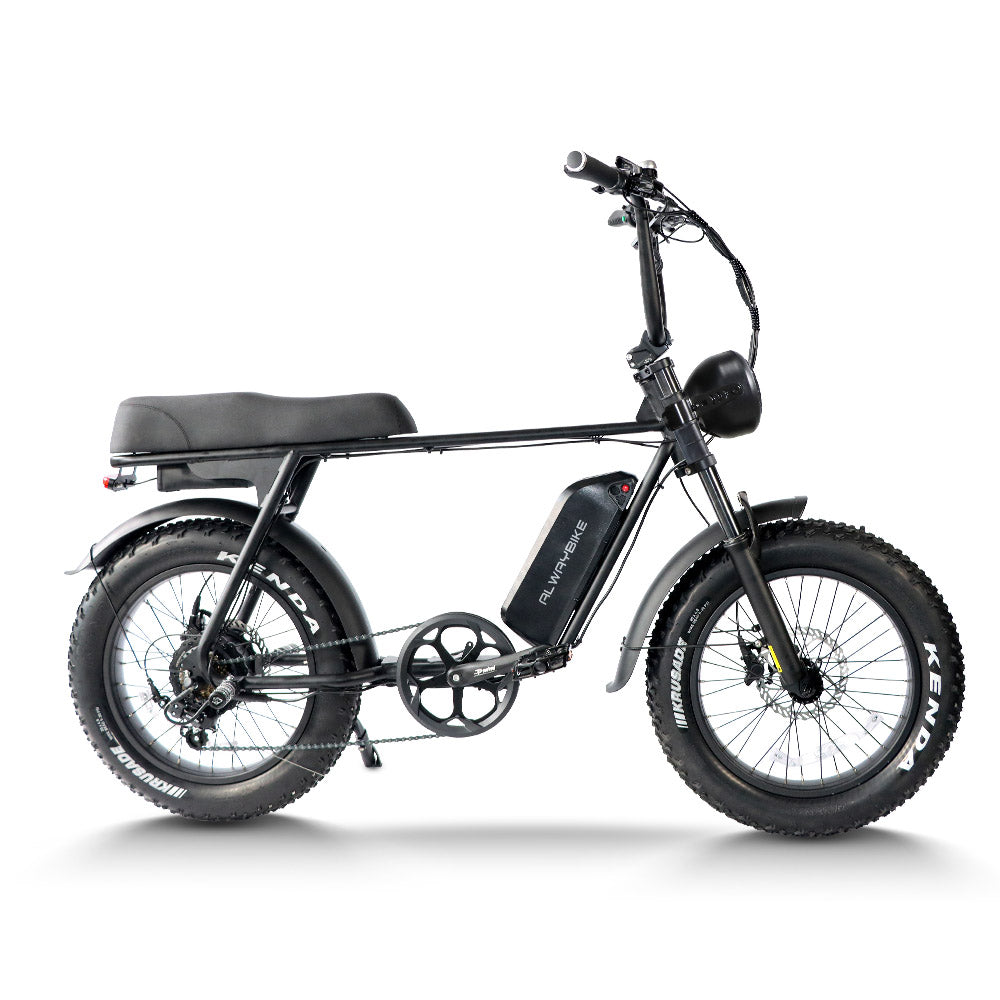
- An e-bike path leads to our commuter e-bike collection. The EB40 city commuter bike is described for city commuting and includes a commuter kit in the supplied facts, but conflicting upstream motor, battery, and brake details should be reconciled on the current product page before relying on them.
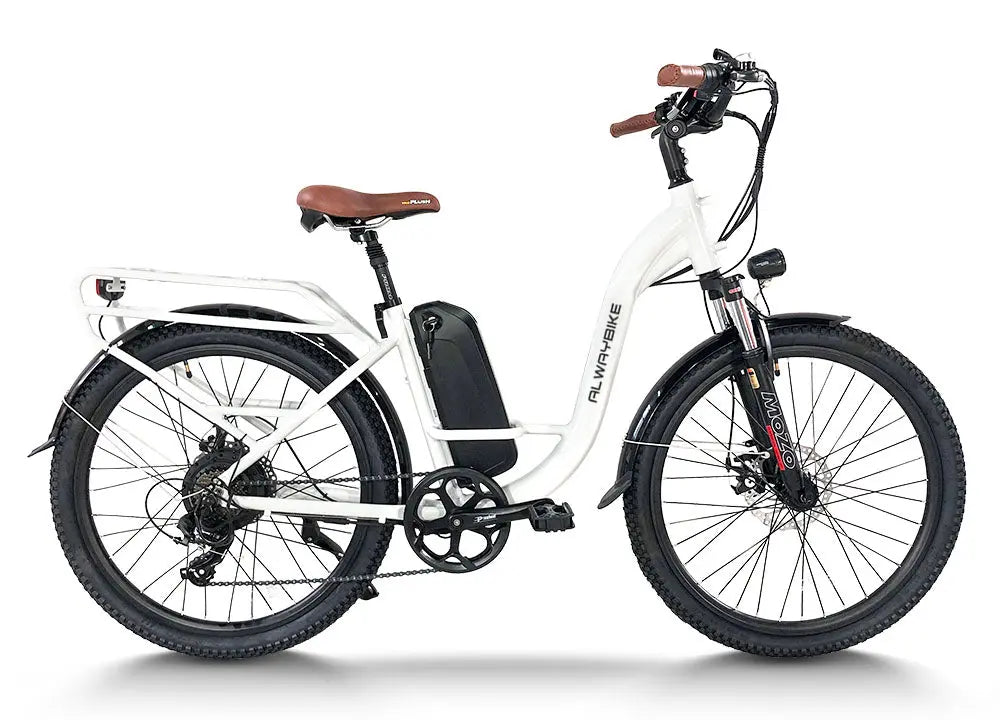
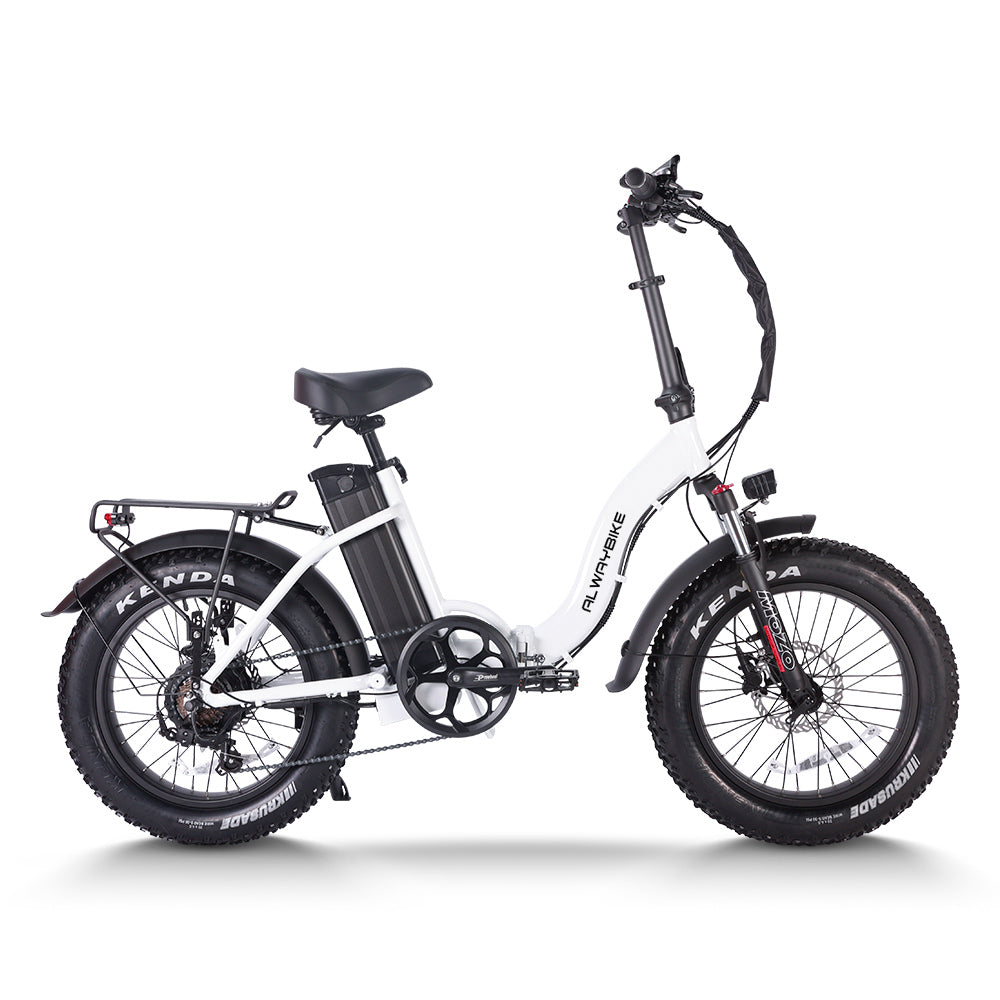
- If measured storage requires a folding design, review our foldable e-bike collection only when a current model's dimensions and carry weight pass your path. The collection is a navigation option, not proof that any model fits your home or route.
We recommend one final action: measure the home and charging path, inspect every route segment, verify current rules, and then compare only the CEMOTO category and exact models that pass those checks. If neither category passes, choose neither for now.
Frequently Asked Questions
These answers apply to a short US commute and do not replace exact-model, building, route, or local-rule checks.
Is an e-bike or scooter better for a short commute?
A scooter is the better starting category when storage and carrying dominate on a suitable route. An e-bike is the better starting category when comfort, utility, hills, or varied surfaces matter more and storage passes. If charging, service, route fit, or legal access fails, neither is ready.
Which is easier to carry upstairs, an electric scooter or an e-bike?
Do not assume the scooter is easier. Compare the exact vehicle's assembled and folded weight, dimensions, battery arrangement, stair distance, doorway width, and elevator access. If the repeated lift is impractical, the model fails the storage path regardless of its folding design.
Which is easier to maintain, an electric scooter or an e-bike?
Neither category wins in every case. Compare the exact tires, brakes, folding hardware, drivetrain, battery, electrical components, available parts, local shop support, warranty process, and expected repair time. Choose the model with the clearer support path for your area.
Can I store and charge an electric scooter or e-bike in my apartment?
Only after confirming building permission, a dry storage location, a practical charging area, exact charger use, and attended charging. Measure the entry, stairs or elevator, storage spot, and battery path before buying. A vehicle that fits the room but not the route into it is not apartment-ready.
What should I check before riding an e-bike or scooter to work in the US?
Verify current state, city or county, route-owner, workplace, and building rules for the exact vehicle. Then inspect pavement and recurring weather, confirm parking and charging, and ask about model-specific service and parts. Check every route segment before riding.
