

Electric Dirt Bike vs. Gas Bike: Compare the Ownership Decision


Compare electric dirt bike vs gas ownership by matching upkeep, energy access, sound, support, session length, cost, and trail rules to your rides.
The electric dirt bike vs gas choice comes down to where you ride, how long each outing lasts, and which energy and service routine you can support. Electric may fit local, frequent rides when charging is dependable and less engine-related preparation matters. Gas may fit longer or more remote outings where fueling and established support are more practical. Use a verify-first approach when the model, ride duration, service plan, energy access, or venue rules are unresolved.

Electric Dirt Bike vs Gas: Which Ownership Pattern Fits?
Start with your riding routine, not a universal powertrain ranking. The matrix shows category-level tendencies, but your model, regional support, property permission, and trail rules determine the fit.
| Ownership factor | Electric may fit when | Gas may fit when |
|---|---|---|
| Daily preparation | You want a simpler pre-ride routine near a reliable charging location. | Fueling and mechanical preparation are already practical for your routine. |
| Routine upkeep | Reducing engine-related service matters, and you accept ongoing wear-item care. | You are comfortable with engine, fuel-system, exhaust, fluid, and related service requirements. |
| Sound | Lower engine noise helps the setting, subject to remaining tire, chain, cooling, and terrain noise. | Sound is not the deciding constraint for the property or venue. |
| Energy logistics | You can charge the selected model within the time available between rides or during an outing. | Fuel access is more practical for the planned distance, transport day, or remote location. |
| Parts and service | The selected model has accessible parts, qualified support, and workable warranty handling. | The actual gas brand and local service network can support the bike without excessive downtime. |
| Ride pattern | Shorter, frequent sessions are close to home or another dependable charging point. | Longer sessions, remote riding, or practical replenishment during the outing dominate. |
| Access | The electric model is accepted under the property or venue rules that apply to it. | The gas model meets the vehicle-class, permit, sound, and route requirements. |
Compare Daily Preparation and Routine Maintenance
Electric may eliminate some engine-related service, but it is not maintenance-free. Gas adds engine and fuel-system work to the ownership routine, while both types still need care for wear items and other systems.
Before comparing electric dirt bike versus gas maintenance, consider what happens before and after each ride. An electric bike may avoid tasks associated with gasoline, clutch, piston, valvetrain, or air-filter service on some models. It still has a battery system, drivetrain, brakes, suspension, tires, controls, fasteners, and other components whose requirements come from the owner's manual. The independent ownership test describes reduced engine-related service on one electric model while noting continuing scheduled maintenance and wear items.
A gas bike generally brings more engine-related preparation and consumables into the routine, but the workload depends on the model, riding conditions, service schedule, and whether you use a shop. Neither category eliminates cleaning, inspection, storage decisions, tire and brake wear, or unexpected downtime.
The practical choice is the routine you can sustain. Compare the time, tools, storage space, consumables, service contacts, and turnaround you have available. If reducing engine-related tasks matters but parts or qualified support for the selected electric bike are difficult to reach, the apparent maintenance advantage may not improve ownership in practice.
Calculate the Operating Cost of Your Riding Pattern
The fairest electric dirt bike vs gas operating-cost comparison uses the same period and expected use for both bikes. It produces a personal result rather than a universal claim that one powertrain is cheaper.
Set one comparison period, such as a riding season, and use the same expected hours, miles, or number of rides for each option. Then calculate:
Operating cost = energy or fuel + routine service + consumables and wear parts + model-specific repairs or replacement exposure.
Use your local electricity or fuel price, the selected model's service schedule, expected wear items, available labor rates, and realistic repair or replacement exposure. Track downtime separately if a missed riding day, shipping delay, or shop wait would materially affect your decision.
Keep purchase price, financing, transport, insurance, registration, and resale outside this recurring operating-cost calculation. They belong in a broader total-ownership comparison. Do not treat advertised battery capacity, fuel economy, or service intervals as category-wide inputs. Run both options over the same use pattern with the figures that apply to each bike.
Test Sound, Charging or Fueling, and Ride Duration Together
Sound and energy logistics can change the better fit even when both bikes appear suitable on paper. Match the bike's session information and replenishment plan to the outing you actually intend to take.
Electric reduces engine noise, but it is not silent: tires, chain, cooling components, and terrain still create sound. If a property or facility is noise-sensitive, treat sound as one fit condition alongside owner or venue approval.
For charging, identify the available outlet, the model's charging requirements, expected turnaround, storage conditions, and usable ride duration for your terrain and riding style. Charging and ride duration vary by model, outlet, terrain, and riding style, so one electric bike's result cannot be transferred to another. Use the model documentation to match the planned session to the bike.

Gas may be more practical when replenishment during a longer outing is easier than charging, but that is a logistics conclusion, not a universal performance claim. Include transport space, storage, weather conditions, spare energy or fuel options, and a recovery plan if the bike stops away from home. Lower noise does not solve a charging, duration, transport, or access mismatch.
Check Parts, Service, and Downtime Before Purchase
Supportability is a model- and region-specific purchase gate. The selected bike needs accessible parts, qualified service, workable warranty handling, and a downtime burden you can accept.
Ask about compatible wear parts, chargers or fuel-related components, technical support, warranty contacts, qualified repair help, stock, lead times, and labor access. Also ask how common failures are handled, who performs warranty work, and how shipping or returns affect the time before you can ride again.
For an electric bike, support must cover the selected model's battery system, charger, controls, drivetrain, and other serviceable components. For a gas bike, check the actual brand's engine, fuel system, chassis, and wear-part support in your region. A collection page does not establish compatibility, stock, warranty coverage, or service availability.
For maintenance context, review electric dirt bike tune-up considerations, then apply those questions to the bike's owner's manual and support terms. If a required part or qualified technician is difficult to reach, count that downtime risk before ordering.
Verify Private-Property Permission and Legal Trail Access
Access is a purchase gate, not a benefit you can infer from the power source. Before purchase or transport, establish permission, vehicle classification, route designation, permits, documentation, seasonal status, and sound rules for the model and riding date.
On private property, obtain the owner's permission and ask about applicable noise, land-use, vehicle, and local restrictions. Permission from the owner may not answer every other requirement that applies to the property or surrounding jurisdiction.
On National Forest System lands, route, vehicle-class, area, and seasonal designations control motorized travel. Use the relevant Forest Service OHV route information and local land-manager guidance before relying on a route. That federal information does not replace state, local, private-facility, or private-property rules.
Do not assume an electric dirt bike receives bicycle treatment wherever an e-bike is allowed. BLM explains that its e-bike rule does not create automatic site-specific access and addresses defined e-bike classes rather than every electric off-road motorcycle. Review the BLM e-bike access guidance, then match the model classification to the site decision from the responsible land manager or facility.
Save the rule, map, permit information, or written venue confirmation with the bike's model details. If the route, season, classification, or documentation is unclear, use a verify-first approach. A legal electric dirt bike locations guide may help organize the questions, but it cannot replace confirmation from the relevant authority or facility.
Apply the Comparison to Your Ownership Profile
Choose electric, gas, or verify-first based on the constraint most likely to stop your intended ride. There is no category-wide performance winner, so the final direction depends on the bike, venue, session, and support plan.
Electric Fits a Local, Low-Preparation Routine
Electric fits when rides are frequent and local, dependable charging is available, lower daily preparation matters, and the model passes duration, sound, support, and access checks. Its session fit still depends on terrain, riding style, and session length.
Gas Fits Longer or More Remote Outings
Gas fits when longer rides or remote outings dominate, replenishment during the outing is more practical than charging, and the actual bike has adequate parts, service, transport, cost, and access fit. This is a logistics-based choice, not a claim that gas is always faster, cheaper, or more capable.
Verify First When a Purchase Gate Is Unclear
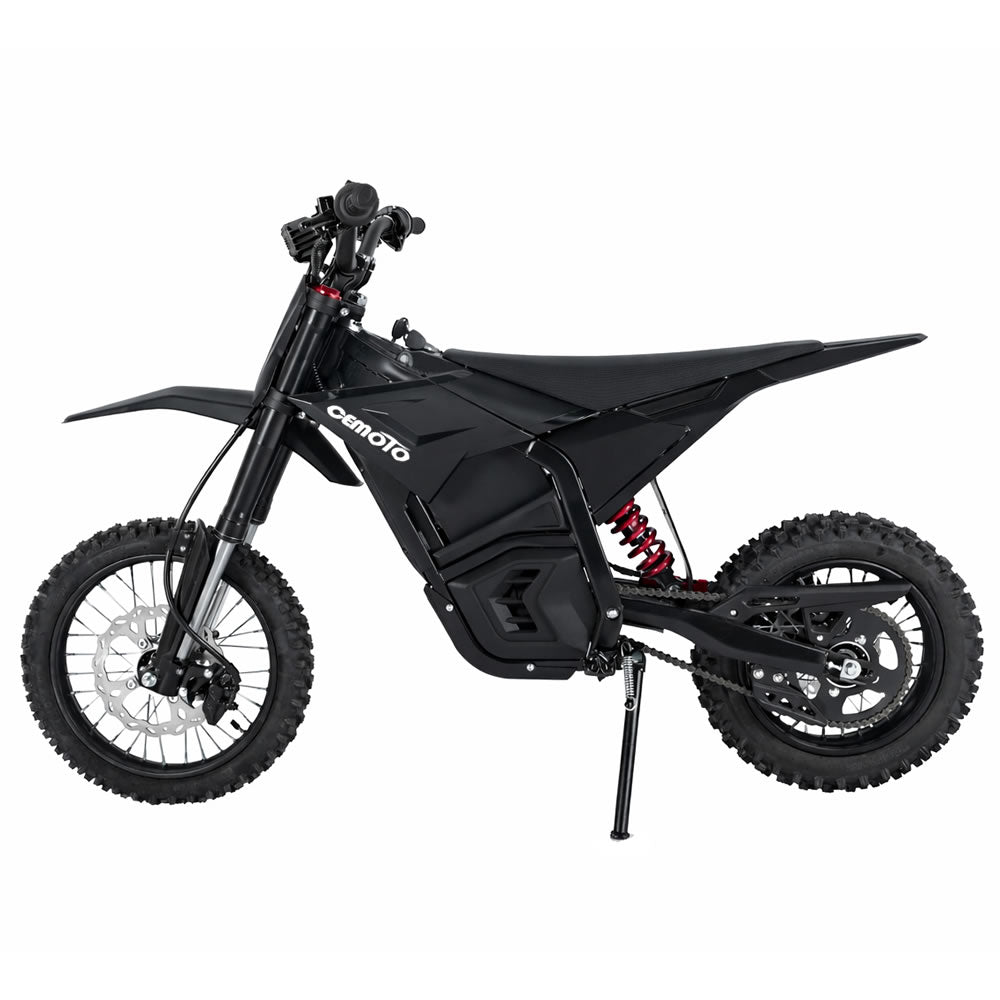
Pause when venue rules, model classification, charging or fueling, session duration, parts support, service terms, or cost inputs remain unresolved. When those inputs are settled, compare the CEMOTO electric dirt bike collection with a gas alternative using the same criteria. For a CEMOTO option intended for private land and track use, review the CEMOTO D-Series model details and the variant's specifications, classification, support, warranty, returns, and access before ordering.
Record the model, intended venue, access confirmation, energy plan, service contact, and unresolved operating-cost inputs. That record gives you the basis to choose electric, gas, or neither.
FAQ
These questions address the trade-offs that most often change the ownership choice.
Are electric dirt bikes better than gas dirt bikes?
Neither is universally better. Electric may suit local, frequent, lower-preparation, or noise-sensitive riding when charging, support, model fit, and access are confirmed. Gas may suit longer or more remote use when fueling and service are more practical. Use a verify-first approach when one of those conditions is unresolved.
Are electric dirt bikes easier to maintain than gas bikes?
They may be easier in the limited sense that some engine-related tasks can disappear. Electric bikes still have battery-system, drivetrain, brake, suspension, tire, control, and fastener requirements. Compare the service schedule and parts access rather than assuming maintenance-free ownership.
Which is faster, an electric or gas dirt bike?
There is no dependable category-wide winner. Compare specifications for the models under consideration, then account for terrain, rider needs, riding style, and expected session length. Motor type alone does not establish a reliable speed or performance ranking.
Are electric dirt bikes allowed on the same trails as gas dirt bikes?
Not necessarily. A venue may distinguish vehicle class, permits, documentation, sound, season, and model classification. Contact the responsible land manager, property owner, or facility for the bike and riding date before transporting it.
