

What to Bring to an E-Bike Repair Shop After Buying Online

Prepare for an e-bike repair shop visit with bike details, symptom evidence, relevant items, records, focused questions, and approval limits.
Bring one mechanic handoff packet: the complete bike when practical, exact bike and system details, the charger and keys when relevant, symptom evidence, records, photos, and focused questions. Buying online does not guarantee that a local e-bike repair shop can service the bike, so confirm the shop’s scope before transporting it or authorizing work.
Make one mechanic handoff packet before contacting the shop
A single packet gives the mechanic the bike’s identity, evidence of the problem, items that may be needed for testing, and your limits on additional work. Use this e-bike repair checklist as a starting point, then ask the shop which physical items it wants for the reported symptom.
- Bike and system identity: Record the make, model, frame or serial number, motor, battery, display, controller, brakes, wheels, and other component names exactly as shown on labels or documents. Mark anything unknown instead of guessing.
- Bike condition and history: Note whether the bike is fully or partly assembled, along with any recent adjustments, modifications, crashes, storage changes, replacement parts, or support conversations.
- Physical items to confirm: Ask whether to bring the complete bike, charger, battery-related item, display, controls, keys, lock key, adapters, loose fasteners, or removed parts. The complaint determines what may matter.
- Symptom evidence: Write down what the bike does or fails to do, when it occurs, the conditions that reproduce it, exact error text, warning lights, sounds, smells, visible damage, and any change after a control input or power cycle.
- Records and photos: Gather the order confirmation, assembly information, manufacturer documents, support or warranty correspondence, prior estimates, maintenance notes, parts receipts, label photos, connector photos, and a short video or timed notes for an intermittent issue.
- Questions before work starts: Ask whether the shop can evaluate the specific system and requested work, what the initial diagnosis includes, how compatible parts will be identified, how labor or special orders will be approved, and what happens to removed parts, keys, and the charger at pickup.
Before transporting the bike, charger, battery-related item, or a heavy accessory, contact the shop with the bike’s identity and symptom details. Ask which pieces it needs and how it wants them brought. This avoids both an unnecessary trip and an incomplete electrical-service intake.
Record the bike’s exact identity and recent history
Copy the bike’s identifiers from the frame, motor, battery, display, and documentation rather than estimating them from appearance. Give the mechanic the make and model, frame or serial number, system name, battery label, display or controller label, and any visible part numbers. If a specification is missing, write “unknown” and attach a clear photo.
Record how the bike arrived and what happened before the problem began. Include whether it was fully assembled, partly assembled, adjusted after delivery, modified, stored differently, involved in a crash, or fitted with a replacement part. A recent change can provide useful context without proving that it caused the symptom.
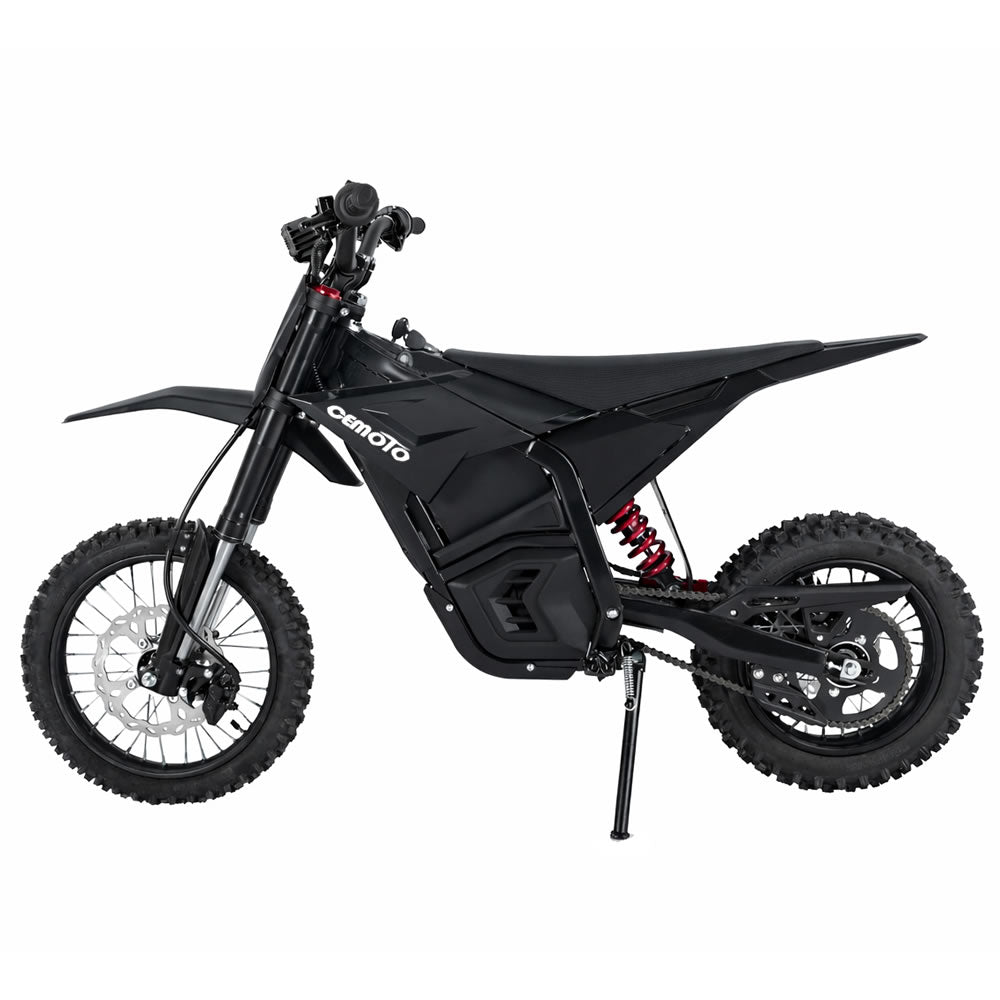
Keep the manual and manufacturer documentation available when you have them, particularly for an electrical or battery-related complaint. Manufacturer operating instructions and battery documents can help identify the system and provide relevant charging information, but they do not establish that a particular local shop will service it. If the bike is a CEMOTO model, you can also include the CEMOTO user manual in the packet.
Document the symptom in the mechanic’s terms
Start with the result, not a suspected failed part: explain what the bike does or does not do, when it happens, and the conditions that appear to reproduce it. Mention whether the bike was moving or stationary, loaded or unloaded, or cold or warm only when those conditions are relevant. Then add what you tried and what changed.
Preserve the exact error message or code, including capitalization and punctuation, and photograph the display when possible. For a Bosch-equipped system, official troubleshooting guidance shows why an exact code can point service toward the relevant system or manufacturer; use the exact error code instead of rewriting it as “bad battery” or another guessed diagnosis.
For an intermittent problem, make a short timeline: date, approximate time, distance or duration if known, control used, conditions, visible result, and whether the symptom cleared. A brief video or timed notes can help when the issue does not appear during intake. Report observations separately from theories, and identify any part that was adjusted, removed, or replaced. A concise record of what happened can use documenting e-bike faults, but treat any home troubleshooting step as context, not a diagnosis.
Match the items and records to the reported problem
Bring the charger and keys when they relate to charging, starting, display behavior, battery access, or a lock. For other complaints, ask first rather than carrying every accessory. A battery or charging complaint may require the shop to see the battery, charger, display, or another system-specific item, but the shop should tell you what it needs and how to transport it.
Use this compact matrix to decide what to confirm before making the trip:
| Complaint category | Item to bring or confirm | Information to send first |
|---|---|---|
| Charging or battery behavior | Charger, battery-related item, display, and keys if the shop requests them | Battery and system labels, charging result, exact code, and photos |
| Starting, display, or control behavior | Complete bike, charger, display, controls, and keys as directed | What powers on, what remains blank, control inputs, and warning text |
| Mechanical noise, fit, or handling | Complete bike when practical, plus loose or removed related parts | Location of the sound or movement, when it occurs, recent adjustment, and photos |
| Intermittent or repeatable fault | Complete bike if testing requires it; otherwise confirm the minimum items | Timeline, reproduction conditions, exact code or visible sign, and a short video or notes |
Gather the order confirmation, assembly details, support or warranty correspondence, prior estimates, maintenance notes, and receipts for related parts. These records show what information is available without promising a warranty, return process, or coverage outcome.
Before leaving the bike, photograph the complete bike, identity labels, visible condition, included accessories, and records you submit. Keep copies of the documents and photos, and write down which keys, chargers, adapters, and removed parts stayed with the bike. If transport is impractical, send the identity, symptom evidence, requested records, and intended work first, then ask what must come in person.
Confirm an e-bike repair shop can evaluate this specific online-purchased e-bike
A local bike shop may service some e-bikes purchased elsewhere, but buying online does not establish that it will accept the bike. Send the make, model, system details, photos, exact error information, and requested work before making a difficult trip. Then ask whether the shop handles the relevant mechanical, electrical, diagnostic, software, assembly, or parts-replacement task.
Break the question down by the work you need. A shop may be able to inspect mechanical components but lack the access needed for a particular electrical or software task. For Bosch systems, a dealer diagnostic unit may check battery health and charging-cycle information, so ask whether the shop has the appropriate access and what bike, battery, charger, or display information it needs. The Bosch diagnostic guidance is a system-specific example, not a requirement for every bike shop that services e-bikes.
Software service also shows why the system matters. Ask about the exact brand and system rather than assuming a general repair intake includes software work. Bosch directs owners to contact a dealer for software-update service, so system-specific software service may require the appropriate dealer or diagnostic access.
If the shop cannot evaluate the system, ask what information, component, or separate service contact would make a useful handoff. Do not assume the shop can source every replacement part or accept every electrical system. Do not leave the e-bike for work until the shop confirms that its service scope covers the specific system, components, and requested task.
Set parts, labor, and approval boundaries before work starts
Acceptance and authorization are separate decisions. A shop agreeing to inspect the bike does not mean you have approved parts replacement, additional labor, or a broader repair. Ask what the initial diagnosis includes and what information you will receive before the shop proceeds.
Ask these questions in your own words:
- Is the requested work mechanical repair, electrical diagnosis, software service, assembly correction, parts replacement, or a combination?
- What does the initial intake or diagnosis include, and what requires separate approval?
- How will the shop identify a compatible part from the documented system and component details?
- If a part is unavailable or must be special-ordered, how will the shop contact you before proceeding?
- What labor may occur beyond the agreed diagnostic scope, and how must you approve it?
- Should the shop retain or return removed parts, adapters, fasteners, keys, and the charger?
- What is the next handoff step after diagnosis, and how should pickup or follow-up be arranged?
Set an approval limit for diagnosis and additional work before anything expands beyond the agreed intake. Avoid assuming that a part that looks similar will fit, or that the shop can provide a particular price, warranty result, or turnaround. Complete the handoff packet, contact the shop with the bike’s identity and symptom details, and confirm what to bring or send before arrival.
Frequently Asked Questions
These answers address common intake decisions without replacing the single mechanic handoff packet.
Can a local bike shop repair an e-bike bought online?
Sometimes, but acceptance depends on the shop’s scope, the bike’s mechanical or electrical system, and the requested work. Send the model, system details, symptom, and any exact error information first, then confirm capability before transporting or leaving the bike.
What should I bring to an e-bike repair shop?
Bring the complete bike when practical, the relevant charger and keys, copied identity details, symptom evidence, records, photos, and your questions. Confirm which physical items the shop needs for the specific complaint before carrying a battery-related item or every accessory.
How do I explain an e-bike problem to a mechanic?
State what the bike does or fails to do, when it happens, the conditions that reproduce it, the exact error or visible sign, recent changes, and troubleshooting attempted. Keep observations separate from your guess about the cause.
Should I bring the e-bike charger to the repair shop?
Ask first. It is more likely to matter when the complaint involves charging, starting, the display, the battery, or related electrical behavior. Follow the shop’s instructions for the charger and any battery-related item instead of transporting unnecessary accessories.
