

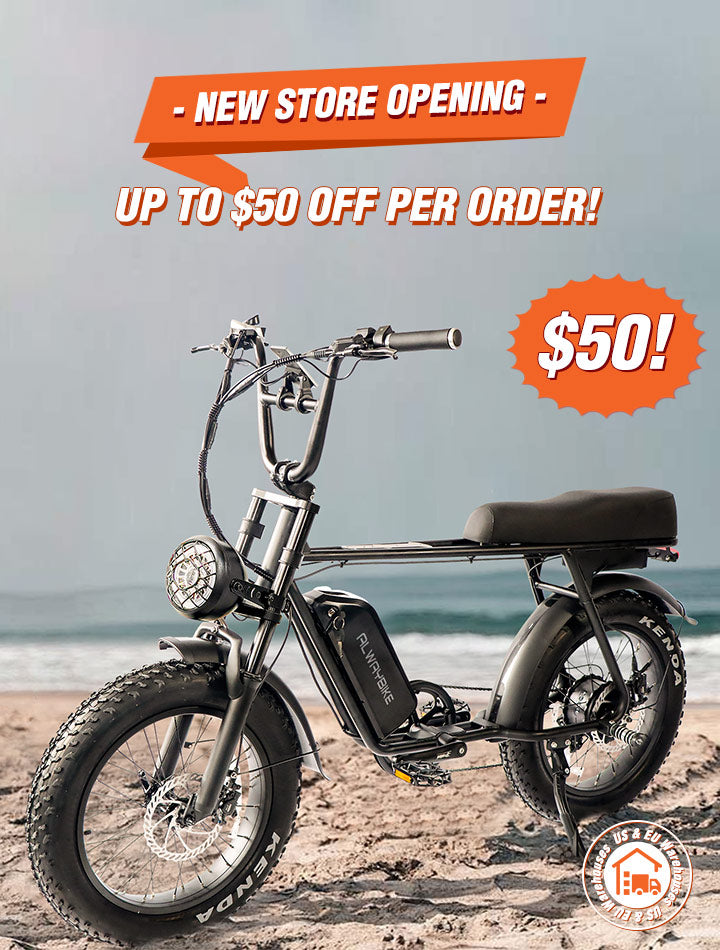
Seated Electric Scooters for Adults: A Practical Buying Checklist


A practical buying checklist for adults comparing a seated electric scooter for commuting, errands, and short trips. Check body fit, total load, usable range, storage, charging, route equipment, and local rules before ordering.
An e scooter with seat can make short commutes and errands more comfortable, but the seat is only one part of the decision. Before buying, confirm that the riding position fits your body, the rated capacity covers your total load, the real-world trip matches documented range conditions, and the scooter can be stored and charged as part of your daily routine. Then compare its documented equipment with your route and verify current state and local rules for the exact model.

Use this checklist to compare a scooter with seat for adults without treating headline range, a folding mechanism, or a product listing as proof of comfort, portability, safety, or legal permission.
Choose the Right E Scooter With Seat for Your Body and Load
Start with fit and total riding load. A published maximum capacity is a limit to verify—not a promise that the scooter will feel comfortable or handle predictably at that limit.
| Check | Why It Matters | What to Verify |
|---|---|---|
| Seat height and posture | Your feet, knees, back, and hands should work together in the actual seated position. | Seat adjustment range, seat depth, handlebar reach, and whether you can maintain a controlled posture. Test the position in person when possible. |
| Deck and controls | A cramped deck or awkward controls can make ordinary stops and starts difficult. | Deck length and width, throttle and brake reach, handlebar position, and space for both feet. |
| Total riding load | Bags and accessories add weight beyond the rider's body weight. | Add clothing, groceries, locks, backpack weight, and mounted accessories to your body weight. Compare that total with the current model rating. |
| Rated capacity versus daily comfort | A maximum rating does not establish comfortable seating or handling at the limit. | The manufacturer's rider-plus-cargo capacity, plus any handling or use limitations in the current product documentation. |
If the live product page does not document seat measurements, deck dimensions, control position, and capacity, leave fit unresolved rather than guessing from photos or collection copy. A seated commuter scooter should match your normal posture and load—not just your lightest trip.

Estimate Usable Range for Your Actual Route
Plan around the complete trip and your next dependable charging opportunity. Published range is a comparison figure, not a guaranteed commute distance; rider weight, terrain, weather, speed, road surface, and stop-and-go use can change practical distance, as explained in independent electric-scooter range comparisons.
Build the Range Estimate Around Your Daily Trip
Use your real route inputs before comparing models:
- Measure the complete round trip, not just the distance from home to work.
- Add recurring detours, errands, school or workplace circulation, and route variations.
- Note load, hills, stop signs, traffic lights, speed, temperature, weather, and road surface.
- Compare that working distance with the model's documented range and the conditions used to publish it.
Do not invent a universal reserve percentage. Instead, reject a model when the complete trip only works under ideal test conditions or leaves no practical option if weather, load, or route distance changes.
Match Battery Planning to Your Charging Routine
Charging access can matter more than a headline battery number. Identify where the scooter will charge at home, work, or another dependable location, then check the manufacturer's documented charging time, battery setup, and care instructions. Treat removable-battery claims as unresolved until the current model page or manual confirms them.
If the scooter reaches the end of its practical trip before the next reliable charging opportunity, it is a poor match for that routine even if its advertised maximum range looks sufficient. For an e scooter with seat, compare the trip schedule and outlet access alongside the range figure.
Make Folding, Storage, and Charging Work Every Day
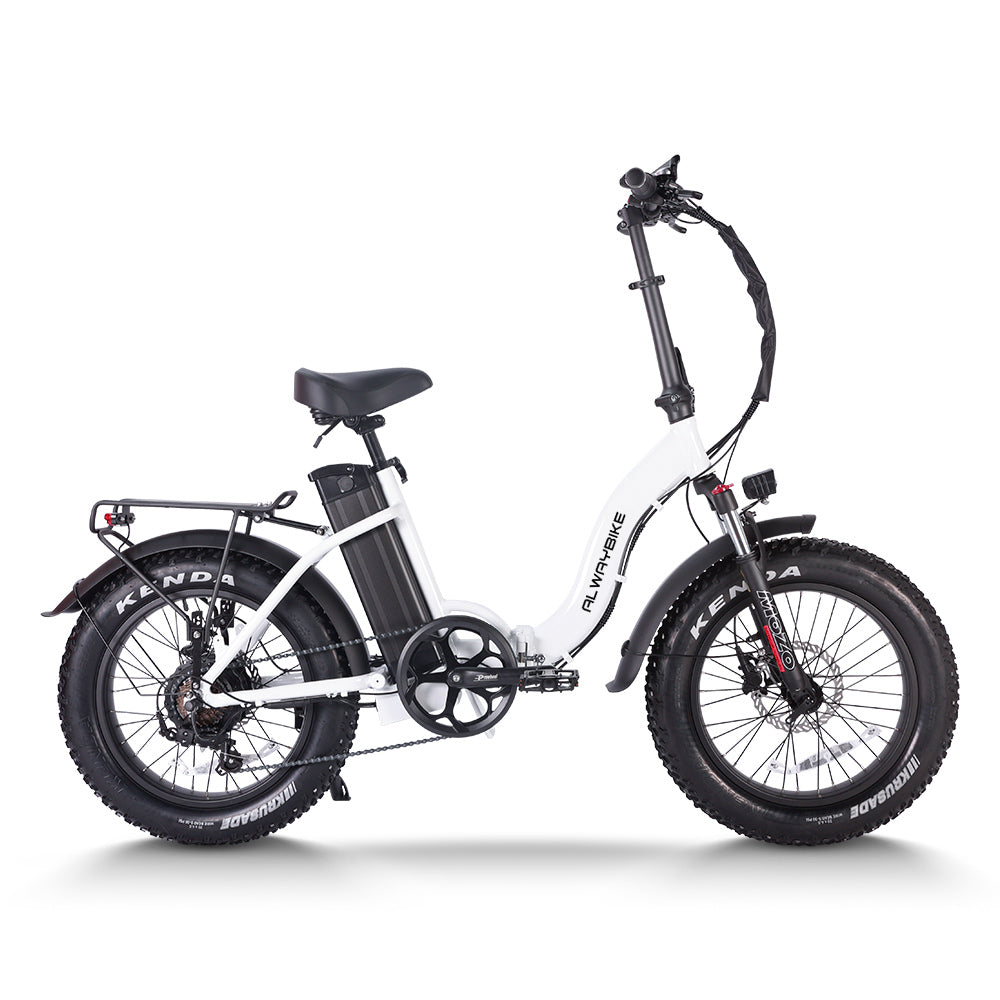
Folding helps only when the folded footprint, actual weight, lifting path, storage location, and charging routine work in your environment. The word "folding" does not prove that a scooter fits a trunk, apartment, stairs, or workplace storage.
Check the Folded Footprint and Carrying Demands
Measure the complete route from storage to your riding location, including doors, stairs, elevators, and vehicle access. Use current model facts for folded length, width, height, net weight, and lifting points.
| Storage or Transport Situation | Measurement to Check | Buyer Decision |
|---|---|---|
| Apartment entryway or closet | Folded length, width, turning space, and door clearance | Keep it only if you can store it without blocking exits or daily access. |
| Stairs or elevator | Actual lift weight, grip points, and elevator dimensions | Do not assume a folding design is manageable through every transition. |
| Car trunk | Folded height and width, trunk opening, cargo depth, and lifting path | Confirm the folded scooter fits through the opening, not just inside the cargo area. |
| Workplace storage | Footprint, security, and whether carrying it indoors is allowed | Check the storage policy and whether the scooter can remain protected and accessible. |
If folded dimensions or net weight are missing, treat portability as unresolved. A foldable electric scooter with seat must pass the lifting and storage test you will perform every day, not merely have a hinge in its frame.
Set Up a Realistic Charging Routine
Choose a charging location that fits the manufacturer's instructions and your storage setup. Check whether the charger stays at home or must travel with you, how long documented charging takes, and whether the battery setup requires special handling. The routine should fit between work, errands, storage, and the next planned trip.
Do not call a model lightweight, trunk-friendly, removable-battery, or quick-charging without current documentation. If those facts are unavailable, compare another configuration or vehicle category instead.
Check Braking and Route Conditions Before Choosing a Model
Match documented brakes, tires, lighting, controls, and load setup with the route you actually ride. A seat may change posture and comfort, but it does not by itself establish safer riding. Use NHTSA motorcycle-safety guidance only for limited, general pre-ride checks—not as a guarantee for a seated scooter.
Write down the route's pavement, hills, crossings, traffic exposure, likely stopping situations, weather, and places where visibility changes. Then check the current model documentation for braking equipment, tires, lights or reflectors, controls, and any stated load limitations. Do not assume that a particular brake type, suspension system, tire, or seat is inherently safer for every route.
Before regular traffic riding, practice starts, stops, turns, and low-speed control in a controlled area. Keep cargo balanced and within the documented rating. These checks can support a more informed selection, but they cannot guarantee a particular outcome on wet pavement, steep slopes, or in mixed traffic.
For a broader category comparison, use this scooter versus e-bike comparison to decide whether a different vehicle format better matches your route, carrying needs, and storage limits.
Verify the Rules That Apply Where You Will Ride
There is no single nationwide answer for every seated scooter. Verify the exact model and configuration, then check federal context separately from current state, city, county, and route rules before buying or riding.
Use this workflow:
- Record the exact model, seat configuration, top speed, power, dimensions, equipment, and intended use.
- Find the current state definition through the state DMV or transportation authority.
- Check city or county rules for sidewalks, bike lanes, streets, speed limits, helmets, age, and operating locations.
- Confirm whether licensing, registration, insurance, or equipment requirements change for that device category.
- Check the specific route, not only the state summary, before treating the purchase as workable.
Federal treatment does not automatically grant permission to ride on a particular street, sidewalk, or bike lane. The NHTSA federal FAQ provides federal context, but state and local authorities determine operating rules. An older NHTSA vehicle-classification interpretation also shows why configuration matters, but it should not be applied automatically to every modern scooter.
New York is one example of a state definition that expressly includes a seated electric scooter, while municipal restrictions can still affect where and how it operates, as shown by New York DMV guidance. New York City provides a separate example of route-level rules for e-scooters, including restrictions involving sidewalks and permitted streets or bike lanes, in NYC DOT guidance. Florida provides a different state-specific framework in Florida Statutes, including provisions about certain motorized scooters and local regulation. None of these examples answers the question for another state or model.
An e-bike licensing guide can provide background vocabulary, but it cannot establish the rules for a seated scooter. Check current official sources for the exact vehicle and route.
Turn the Checklist Into a Practical Shortlist
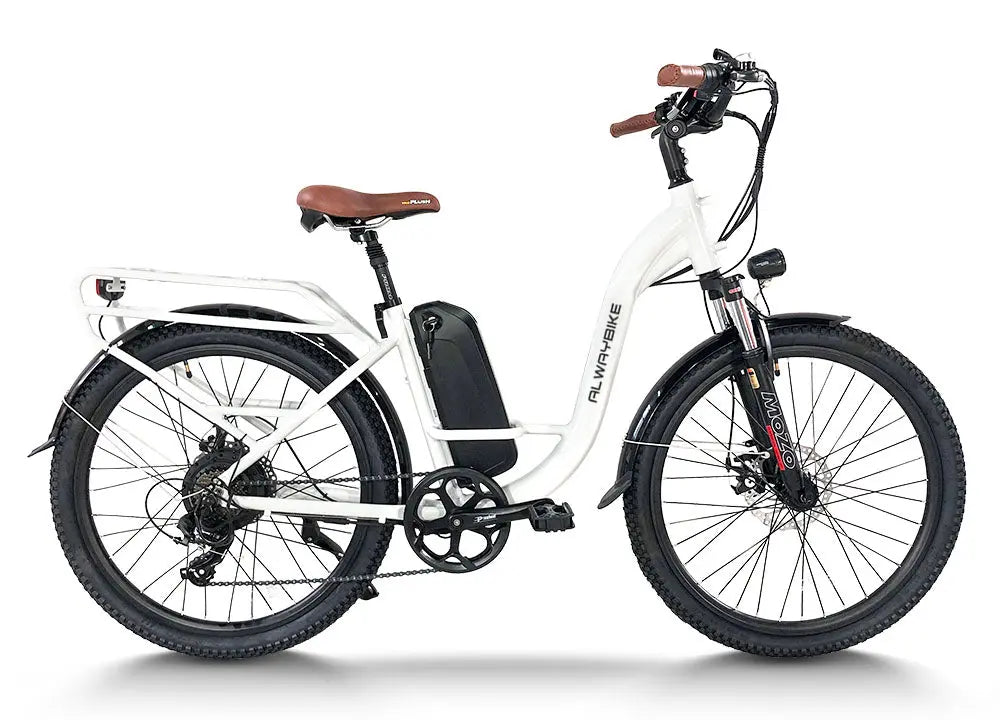
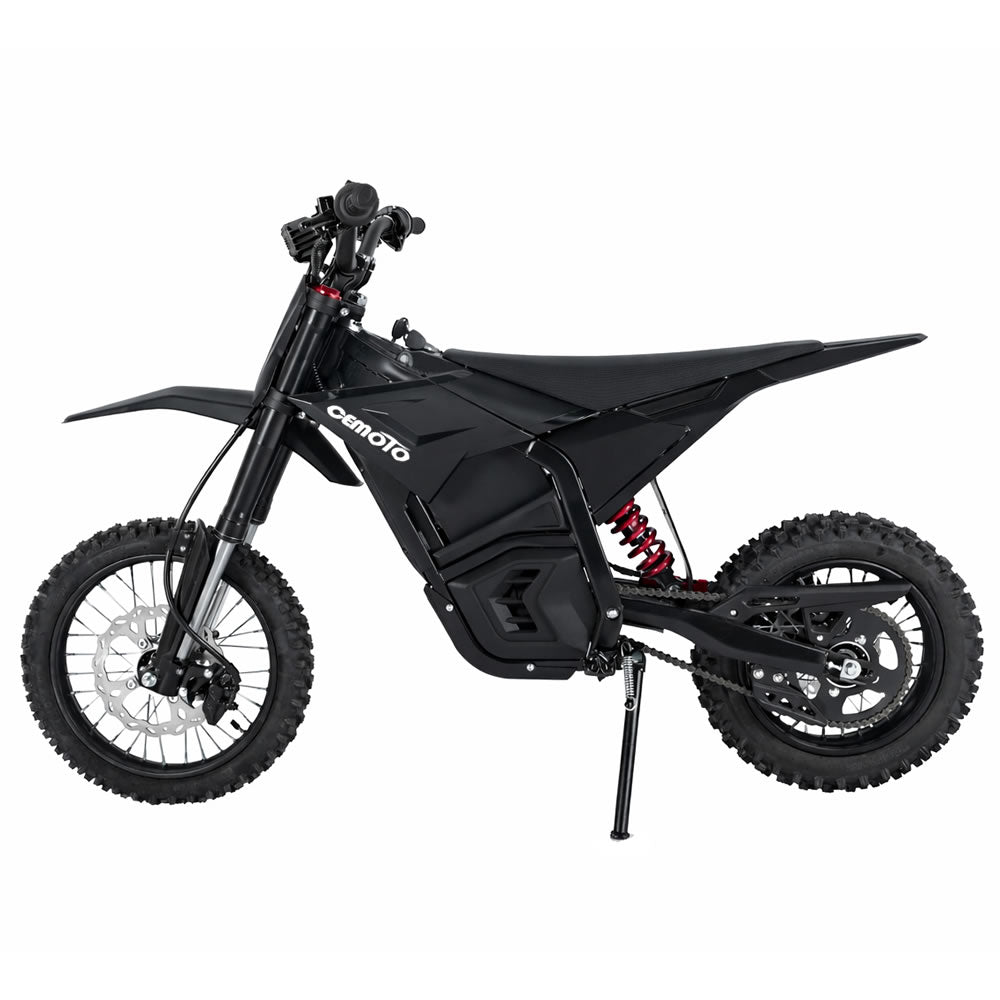
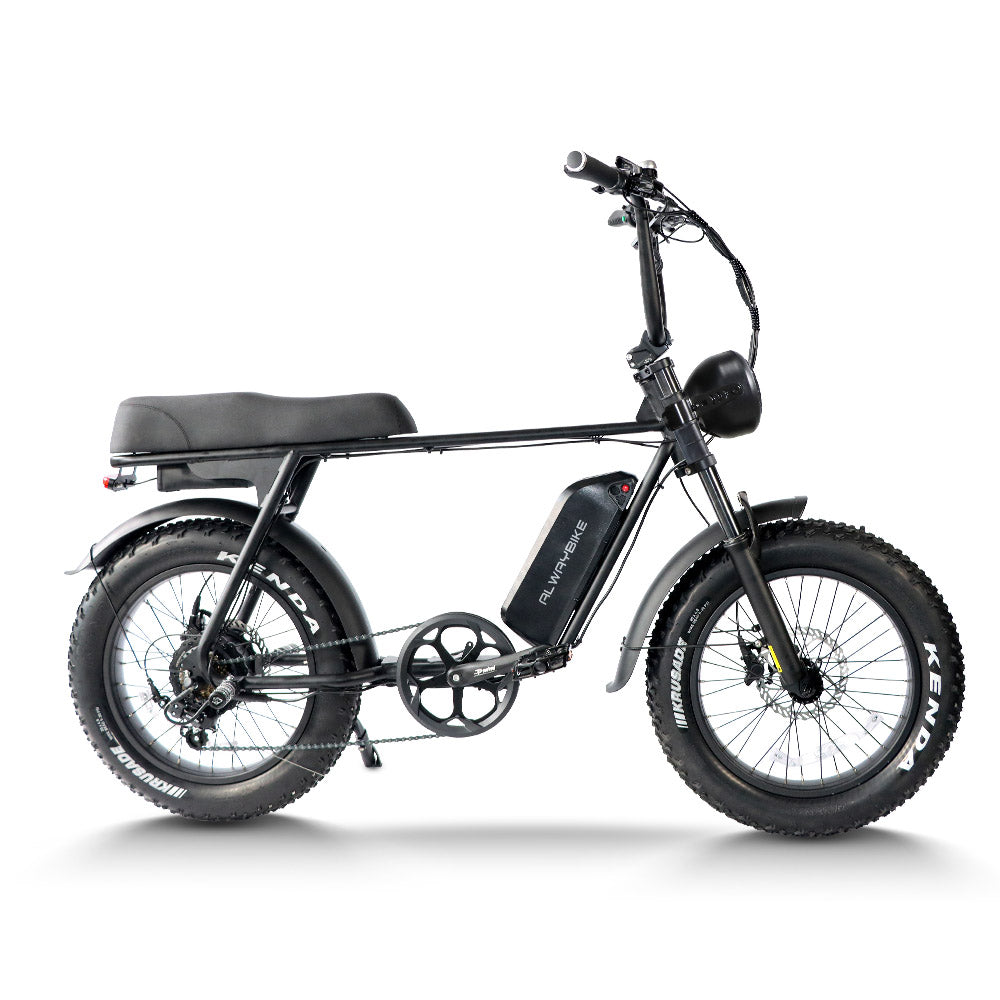
Shortlist only models that pass fit, total load, working trip, storage, charging, route equipment, and local-rule checks together. Use our electric scooter lineup for navigation, but verify the live product page before treating any listing as an electric scooter with seat for adults.
- Fit and load: Confirm seat position, posture, deck, controls, and rider-plus-cargo capacity. Remove any model with unresolved measurements.
- Working trip and charging: Compare the complete trip and route conditions with documented range conditions and dependable charging access.
- Storage and carrying: Measure the folded footprint, trunk opening or storage area, actual lift weight, and every transition between storage and riding.
- Equipment and route: Verify documented brakes, tires, lighting, controls, and load setup against your surfaces, hills, traffic, and stopping situations.
- Rules and commercial terms: Check the exact model with current official state and local sources, then review current specifications, warranty, returns, availability, and seller support before ordering.
If no model passes every required check, compare another vehicle category instead of forcing a purchase. When a listing leaves the seat configuration or key specifications unclear, wait for verification rather than filling the gaps with assumptions.
FAQs
Use these quick checks to resolve the main fit, range, capacity, legal, and transport questions before you buy. The details still depend on the exact model, route, and current local rules.
Are Seated Electric Scooters Safer for Adults?
Not automatically. A seat can change posture and comfort, but it does not establish safer riding; compare reach, balance, documented equipment, cargo position, route exposure, and weather. Practice starts, stops, and turns in a controlled area before entering traffic.
How Far Can a Seated Electric Scooter Go on One Charge?
There is no dependable distance without the trip inputs. Compare round-trip miles, detours, load, hills, weather, road surface, speed, stops, and charging access with the manufacturer's documented test conditions. A headline maximum is not a guaranteed one-charge commute.
What Weight Capacity Should an Adult Seated Scooter Have?
Use a documented rider-plus-cargo rating that covers your body weight, clothing, bags, groceries, locks, and accessories. Also verify seat dimensions, deck space, posture, and control reach because the maximum rating does not guarantee comfort or handling.
Do Seated Electric Scooters Need a License in the United States?
There is no nationwide yes-or-no answer for every seated configuration. Identify the exact model, check the state DMV definition, and then check city, county, and route rules for licensing, registration, insurance, age, helmet, sidewalk, bike-lane, and street requirements.
Can I Take a Folding Seated Electric Scooter in My Car?
Only after measuring folded dimensions, the trunk opening, cargo depth, lift weight, grip points, and the route to the vehicle. Follow manufacturer transport guidance and confirm that you can store and charge it after arrival; folding alone does not prove car compatibility.
