

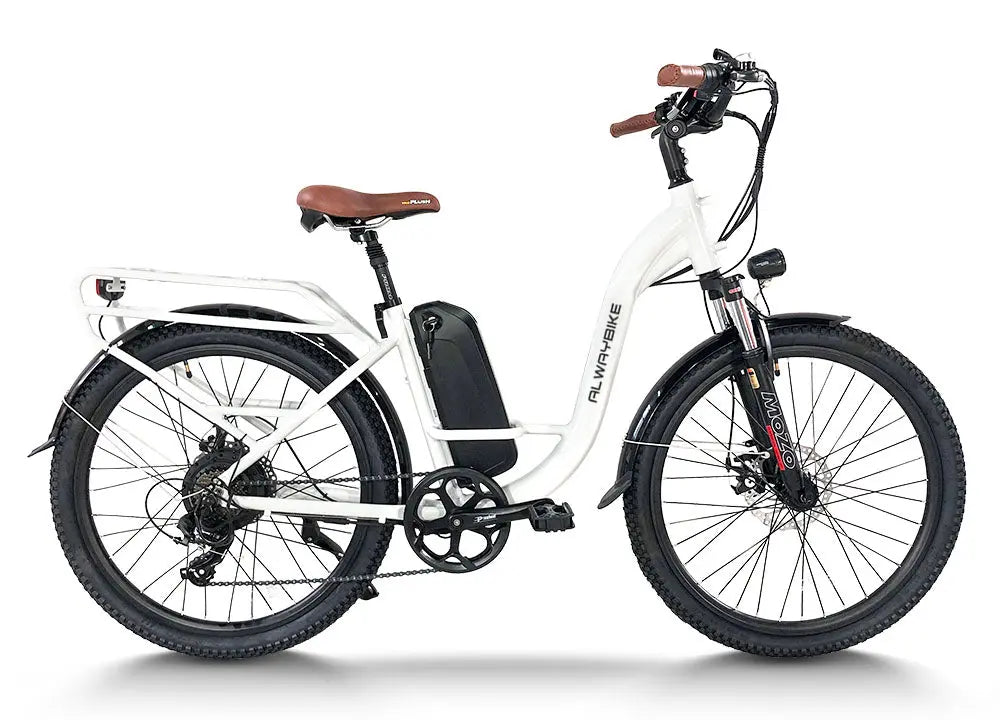
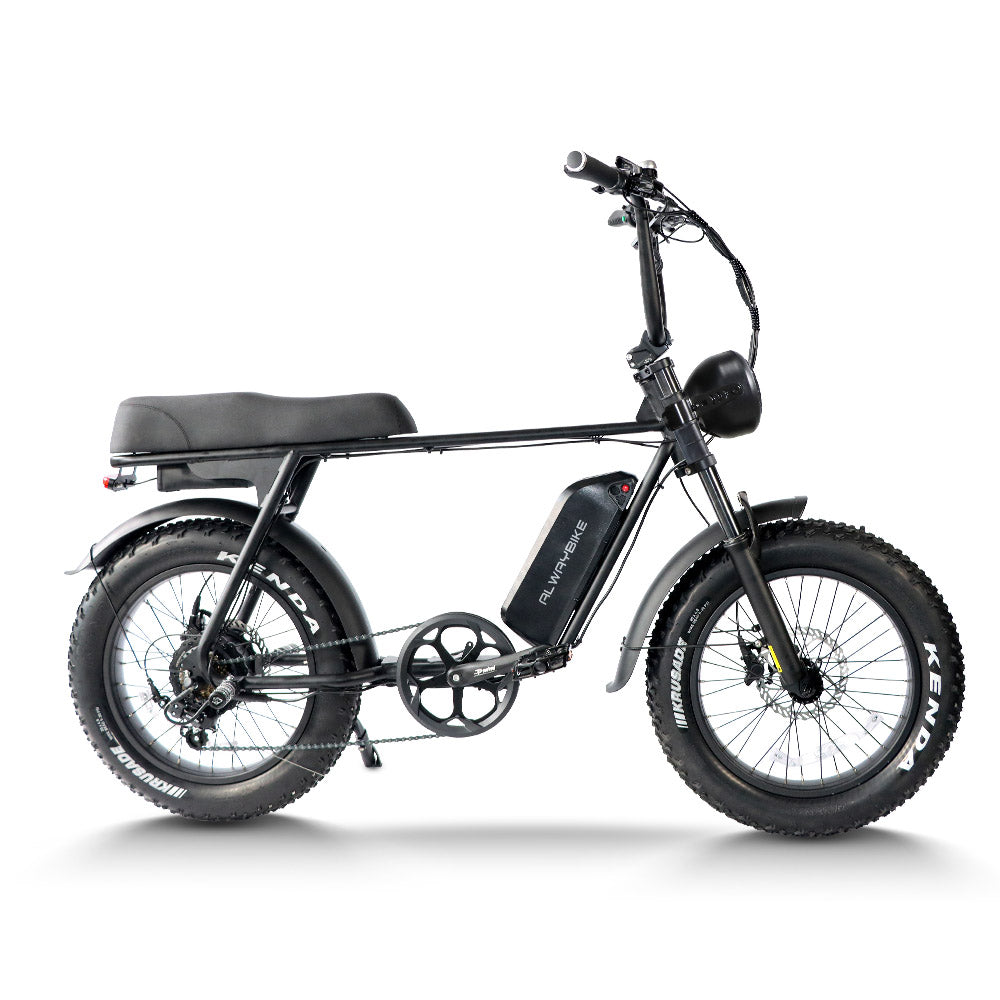
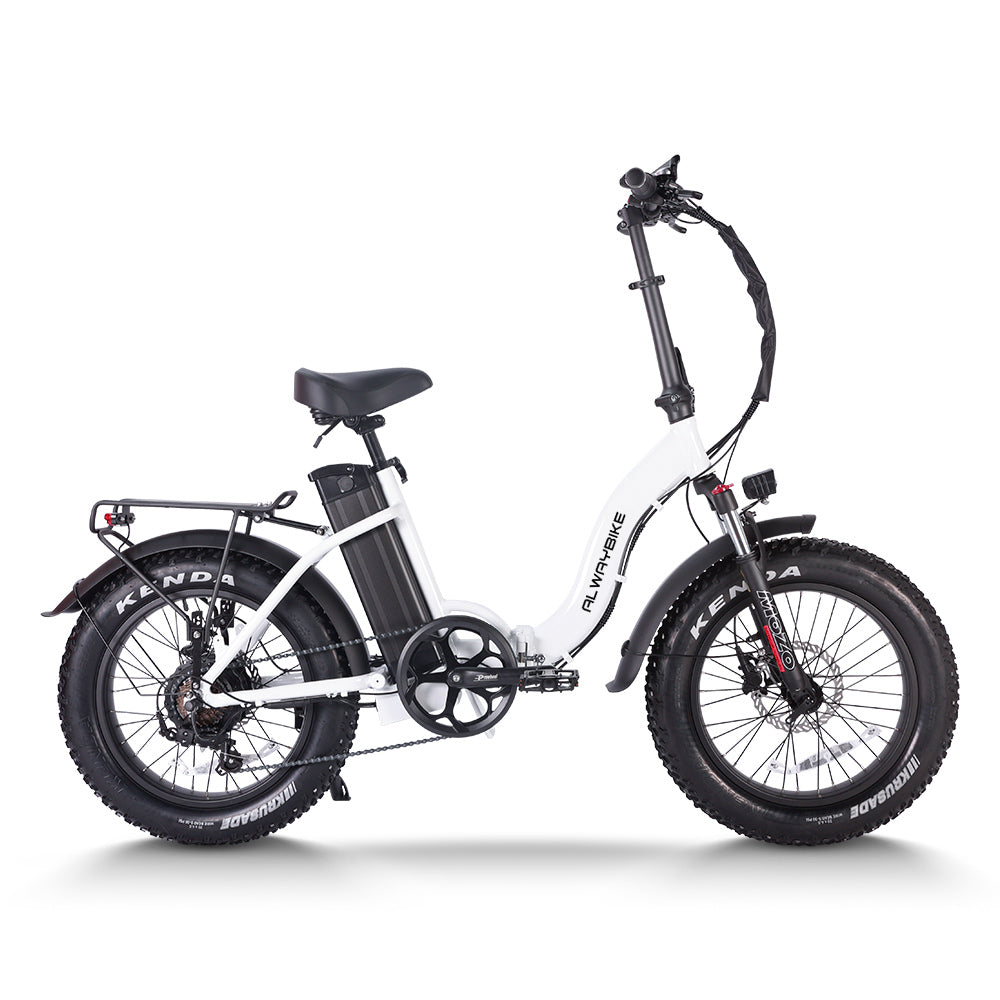
Multiple E-Bikes at Home: Label Chargers, Batteries, and Spare Parts


Use an e-bike parts compatibility record to label chargers, batteries, displays, throttles, and spares, then control sharing, storage, and quarantine.
Visual similarity and plug fit do not prove e-bike parts compatibility. Give every bike and loose component a short ID, assign it a status, and keep chargers, batteries, displays, throttles, and mechanical spares dedicated until the exact match is documented. Use three household statuses: dedicated, verified shareable between named bikes, or unverified and quarantined.

Assign every e-bike part a dedicated, shareable, or quarantine status
Start with the status label before anyone connects, installs, or retrieves a similar-looking part. The table below is a household control system, not a universal interchangeability rule.
| Component | Default status | Release condition |
|---|---|---|
| Charger | Dedicated | Change to verified shareable only when its documented system match is confirmed for both named bikes. |
| Battery | Dedicated | Confirm the exact system, electrical details, interface, and bike-specific fit before sharing. |
| Display | Dedicated | Release only after the system, model or generation, wiring, and interface match is documented. |
| Throttle | Dedicated | Confirm the system, model, wiring/interface, and documented fit for the intended bike. |
| Mechanical spare | Dedicated | Keep it segregated by assigned bike as a storage measure; release only after the exact part identity, specifications, mounting, and bike-specific fit are confirmed. |
| Unidentified part | Quarantine | Keep disconnected or uninstalled until its identity, intended bike, and compatibility are established. |
A component becomes verified shareable only between the specific bikes named in the record. A matching housing, plug, pin count, fastener, or storage location does not change a dedicated or unverified part into a released part. If a decisive detail is missing, keep the component out of ready-to-use storage instead of test-swapping it.
Build an e-bike parts compatibility record before labeling loose parts
A useful record lets anyone in the household identify the intended bike without relying on memory. Give each e-bike a short ID, such as BIKE-A or RED-1, and repeat it on the frame tag, assigned component labels, and storage zone. This record becomes the household's working e-bike parts compatibility reference for later retrieval and sharing decisions.
| Item | Label or record fields | Assignment and status note |
|---|---|---|
| Bike | Short ID, make, model, system identifier, generation when documented | Primary bike record; note where the official manual or support confirmation came from. |
| Charger | Brand, model, documented electrical details, connector/interface, source | Assigned bike ID; dedicated or verified shareable between named bikes. |
| Battery | Brand, model, system or generation, documented electrical details, interface, physical fit notes | Intended bike ID; record the exact charger pairing when documented. |
| Display | Brand, model, system, generation, wiring/interface, adapter information if documented | Intended bike ID and status. |
| Throttle | Brand, model, system, wiring/interface, connector details, documented fit | Intended bike ID and status. |
| Mechanical spare | Exact part name or number, dimensions or specification, mounting pattern, intended bike | Keep segregated until bike-specific fit is confirmed. |
| Unidentified component | Every visible marking, photo, source, and missing fields | Mark UNVERIFIED, place in quarantine, and do not fill gaps by assumption. |
Record only information shown on the component, its manual, manufacturer documentation, or a confirmed support response. Shimano's compatibility information, for example, distinguishes system generations and component families, so a bike nickname or visual description is not enough for a reliable record. Use the system-generation compatibility information when it applies to a Shimano system.
For loose electronics, attach a small label to the part and a matching note or photo in the record. The label should show the bike ID, component type, status, and date last verified. Keep the battery compatibility details and throttle compatibility guidance as separate references for those component types, but do not treat a general repair article as approval for a specific cross-bike swap.
Verify electrical compatibility before connecting chargers, batteries, displays, or throttles
For e-bike charger compatibility, use the intended bike and component records together. Release a part only when the exact system, model or generation, electrical details, interface, and documented compatibility direction match. If the records conflict or are incomplete, leave the component disconnected, label it unverified, and quarantine it.
Match chargers and batteries to the documented bike system
A plug that fits is not enough. Bosch explains that its chargers are adapted to the Bosch eBike System and warns that a different charger may reduce battery life or cause damage or system malfunctions. This Bosch-specific example shows why charger sharing requires system documentation, not just a similar appearance. Review the Bosch-specific charger system guidance for a Bosch bike.
For Shimano systems, the official manual requires the specified battery-and-charger combination and charging conditions, and identifies serious charging hazards if those instructions are not followed. Read the specified battery-and-charger combination for the applicable system. For another brand, use that brand's own manual or compatibility resource rather than applying Shimano's details to it.
To decide whether one charger or battery can serve two bikes, compare the component with both named bike records. Do not change its status to verified shareable until both matches are documented. If the system identity, electrical information, or pairing direction cannot be established, do not connect it just to see whether it works.
Match displays and throttles to the system and interface
Displays and throttles also require more than a physically similar connector. Check the component model, system or generation, wiring/interface type, connector details, and any documented adapter requirement. Shimano's wiring documentation shows why the supported wire type can depend on the component model; use its model-specific wiring and interface documentation when it applies.
Keep a replacement display or throttle labeled for its intended bike even when it appears interchangeable. If the label, wiring information, or compatibility record is incomplete, keep the part disconnected and consult the manufacturer's compatibility resource or qualified support. Bosch's manufacturer compatibility resource or dealer support illustrates that escalation path for Bosch systems.
If you need a separate repair-oriented reference, use this display replacement checklist for general troubleshooting context, not as compatibility approval for a particular bike.
Verify mechanical spares by exact part, dimensions, and mounting fit
Mechanical e-bike parts need their own verification path. A similar shape, apparent size, or shared fastener is a reason to compare specifications—not proof that the spare belongs on another bike.
- Identify the part. Record the exact part name or number, its source, and the bike it is believed to fit.
- Compare the specification. Check dimensions or other documented specifications against the original part or the intended bike's documentation.
- Compare the mounting pattern. Check mounting points, spacing, attachment method, and any documented bike-specific clearance or fit requirement.
- Confirm the bike-specific fit. Release the part only when the decisive fields match the intended bike. If the exact identity, specification, mounting pattern, or fit cannot be confirmed, keep the spare out of installation and seek qualified confirmation.
This process addresses the mechanical side of whether e-bike parts can be swapped between bikes without claiming that any particular spare fits multiple models. Store mechanically similar parts in separate, bike-labeled containers until the record establishes their assignment.
Use a retrieve-and-return routine that keeps every part with the right bike
Storage controls make the compatibility decision usable by everyone in a shared garage, but a bin or label is not proof that a part fits. Give each bike a dedicated bin, shelf zone, or hook, and keep the quarantine container physically separate from ready-to-use parts.
- Read the intended bike ID. Start with the bike being repaired or charged, not with the component that looks closest.
- Match the component label and status. Retrieve only a part marked for that bike or verified shareable between that bike and the named second bike.
- Use only released parts. Do not connect, install, or test an electrical component marked unverified. Do not install a mechanical spare whose fit record is incomplete.
- Return and recheck. Put chargers, batteries, displays, throttles, cables, adapters, and spares back in their matching zone. After maintenance, charging, an upgrade, or sorting, relabel every loose component and update the record.
This retrieve-and-return habit is the practical core of multi-bike household e-bike maintenance: anyone should be able to identify the bike assignment and release status without asking who last used the part. Start with one bike today, label its assigned components, and move every uncertain part into the separate quarantine location before anyone else retrieves it.

Frequently Asked Questions
These short answers apply the same documented-match rule to common household decisions.
Can two e-bikes share a charger?
Only after the charger's compatibility with both named e-bike systems is documented, including the relevant electrical and interface details. A plug that fits is not enough. Until both matches are recorded, keep the charger dedicated to its assigned bike.
Can I use one battery on another e-bike?
Do not move a battery based on appearance or connector fit alone. Confirm its system, electrical requirements, interface, and physical fit for the other bike, then change the label only if the documentation supports that specific pairing.
How can a household prevent e-bike charger mix-ups?
Give each bike a short ID, repeat it on the bike and charger, store chargers in bike-specific zones, and require a label-and-status match before retrieval and return. Put any charger with incomplete identification in the separate quarantine container.
What should I do with an unlabeled e-bike part?
Do not connect or install it. Place it in the unverified container, record every confirmed marking and its source, and verify its intended bike and compatibility before releasing it to ready-to-use storage.
