

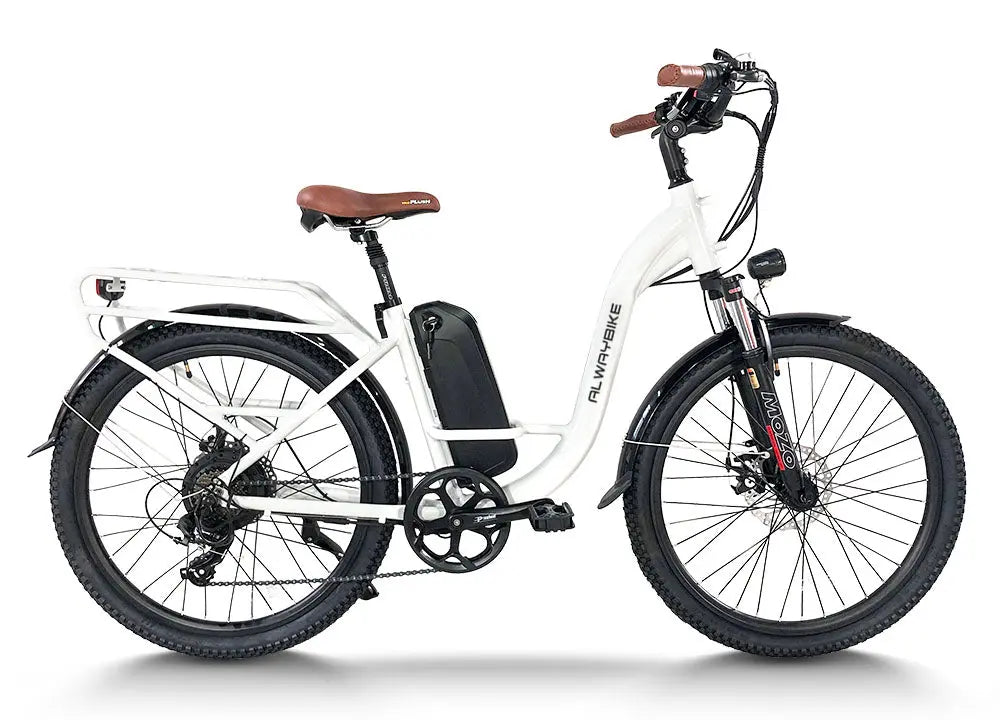

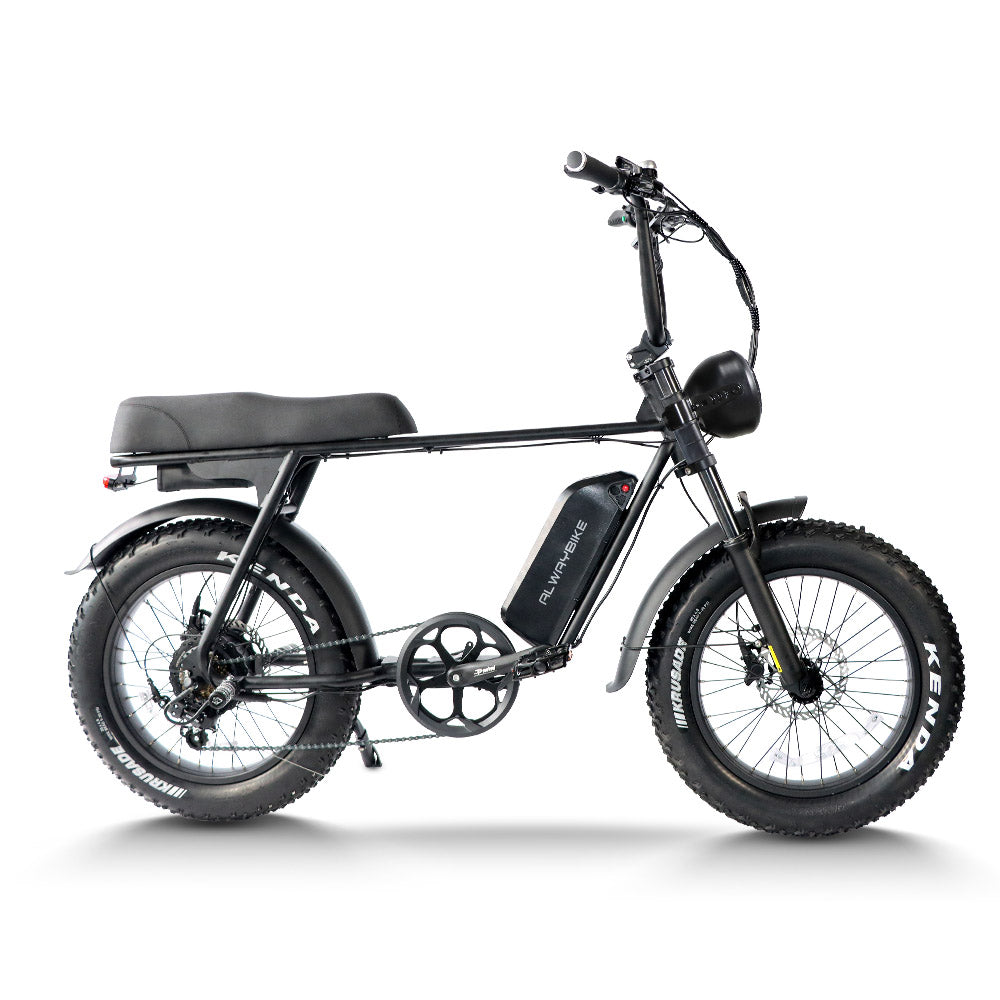
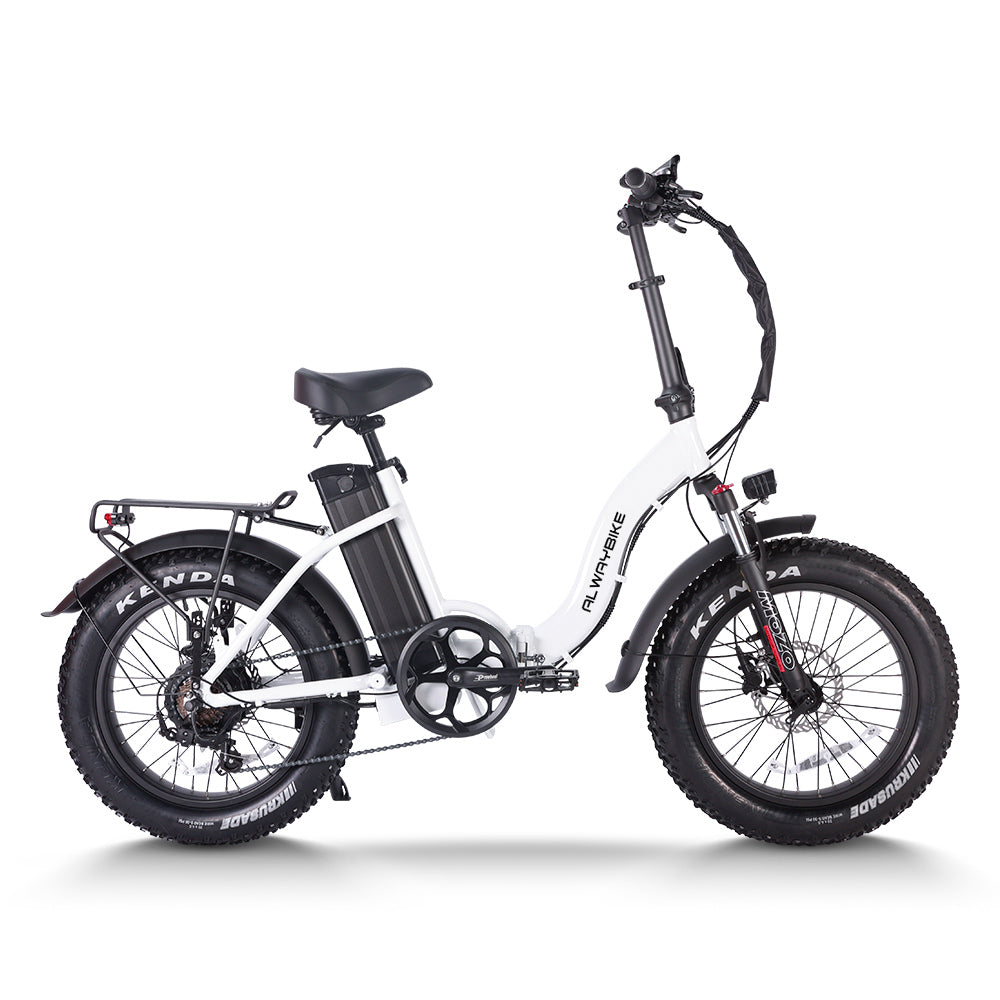

E-Bike Voltage vs. Amp Hours: Choose Battery Capacity Without Guessing


Use e-bike battery voltage to screen listings, then compare watt-hours from volts × Ah and verify charger, controller, and physical-fit requirements.
Use e-bike battery voltage as the first screen when comparing an e-bike battery. Keep only listings whose voltage the e-bike system explicitly supports, then compare the remaining options by watt-hours—not amp hours alone. Voltage addresses the system’s electrical requirement; amp hours describe rated charge capacity. The formula V × Ah = Wh puts those labels into a common capacity comparison, but it does not prove charger, controller, physical, or proprietary fit.

Choose a Supported E-Bike Battery Voltage Before Comparing Capacity
Start with the voltage stated in the e-bike system documentation. In an e-bike battery voltage comparison, use voltage to decide which listings belong in the initial comparison set. Then use e-bike battery capacity terms to distinguish amp hours as charge capacity from watt-hours as the combined comparison.
Verify the system and its requirements first, then compare stored capacity. Evaluate the battery, charger, controller, and related components as a coordinated system. Review the applicable documentation for supported voltage, charger requirements, and controller requirements before purchase or installation, as UL’s e-bike safety guidance explains.
Keep a listing in the capacity comparison only when its voltage is explicitly supported. Then use voltage and Ah to calculate Wh. A higher Ah label is not enough to rank one listing above another, especially when the voltage labels differ. If the voltage is unclear or unsupported, remove the listing from the comparison rather than estimating its fit.
Stop before buying or installing if the battery voltage is not explicitly supported by the e-bike system. Verify the charger and controller requirements as well, and do not substitute a higher-voltage pack based on amp hours alone.
Calculate Watt-Hours to Compare Battery Capacity Fairly
Calculate watt-hours for each listing that passes the voltage screen, using the nominal voltage and rated amp hours shown by the seller or manufacturer. The relationship is V × Ah = Wh, as shown in this battery watt-hour formula. When voltage and Ah differ, Wh is the more useful stored-energy comparison because it includes both values.
Copy the listed nominal voltage, copy the rated Ah, multiply them, and compare the results only among options that passed the voltage and system screen. If either input is missing, inconsistent, or presented without a clear unit, pause the comparison instead of filling in the value by assumption.
The following are illustrative calculations, not product facts, range estimates, runtime promises, or compatibility conclusions:
-
Example A:
36 V × 14 Ah = 504 Wh. -
Example B:
48 V × 10 Ah = 480 Wh.
Under these stated assumptions, Example A has the larger calculated stored-energy figure—504 Wh versus 480 Wh—despite having fewer volts and more amp hours in a different combination. That arithmetic helps compare capacity; it does not make either example suitable for a particular e-bike. A higher Wh result cannot override an unsupported voltage or an unresolved charger, controller, physical-fit, or model-specific requirement.
Read Volts, Amp Hours, and Watt-Hours by the Decision They Support
Each label answers a different shopping question. Use volts to screen the electrical system, amp hours to read the rated charge-capacity label, and watt-hours to compare calculated stored energy after voltage screening.
| Specification label | What it measures | Purchase decision it supports |
|---|---|---|
| Volts (V) | The battery’s system-level electrical-voltage specification | Whether the listing belongs in the voltage-screened comparison set |
| Amp hours (Ah) | Rated charge capacity | How much charge the pack is rated to store, not whether it is compatible |
| Watt-hours (Wh) | Calculated stored energy from voltage and Ah | How to compare capacity across different voltage-and-Ah combinations after voltage screening |
Wh = V × Ah. Watt-hours are a capacity-comparison tool, not a replacement for the voltage check. None of these labels alone establishes range, speed, torque, safety, or complete physical and proprietary fit.
Finish the Battery Shortlist With Separate Fit and Requirement Checks
Before adding a voltage-matched battery to your cart, use a documentation-first screen. The right capacity choice is the highest-priority option that passes the system requirements you can actually verify—not simply the listing with the largest Ah or Wh number.
- Document the required voltage. Record the voltage stated in the e-bike’s system documentation. Remove listings with unsupported or unclear voltage.
- Calculate Wh for the remaining options. Use each listing’s nominal volts and rated Ah. Compare the result as stored capacity, not as a guaranteed riding range or complete fit test.
- Apply your capacity priority. If supported options remain, use Wh to compare their capacity. Treat Ah as a supporting label rather than the final ranking.
- Check physical and model-specific requirements separately. Mounting, connectors, wiring, proprietary fit, and installation are outside this article’s scope. For those broader replacement questions, use the battery compatibility guidance.
- Verify the charger and controller requirements. Consider the battery, charger, and controller together rather than inferring compatibility from a capacity calculation. If a decision-critical specification is missing, ask the seller or manufacturer for documentation before purchasing.
This keeps watt-hours as a capacity method rather than a compatibility shortcut. Write down the required voltage, calculate Wh for the supported listings, and remove any option whose system requirements cannot be verified.
E-Bike Voltage and Amp-Hour Questions
The remaining choice usually comes down to whether you are comparing capacity within a supported system or trying to use a specification to bypass an unresolved requirement. These answers keep that distinction clear.
Is a higher amp-hour battery better for an e-bike?
No, not automatically. Compare watt-hours after confirming that the battery voltage is supported, because Ah alone does not show total stored energy when voltage differs. Then complete the separate charger, controller, physical, and model-fit checks before treating the listing as a purchase option.
Can I use a higher-voltage battery on my e-bike?
Only when the e-bike system explicitly supports that voltage and the charger and controller requirements match. A favorable Ah or Wh calculation does not override an unresolved voltage requirement. If the documentation does not establish support, pause and request clarification rather than guessing.
How do I calculate e-bike watt-hours?
Multiply the listed nominal voltage by the rated amp hours: V × Ah = Wh. Use the result to compare stored capacity after the voltage screen. The calculation does not establish complete battery compatibility, charger compatibility, controller suitability, or physical fit.
