

E-Bike Battery Transport: Moving a Bike Safely by Car, Truck, or Air


Plan e-bike battery transport with mode-specific steps for cars, SUVs, pickup beds, storage, and air travel, including fit, restraint, and rule checks.
E-bike battery transport starts with one decision: are you moving the whole bike, the removable battery, or both? For a car or truck, choose the setup that fits the vehicle and follows the bike's instructions, then prevent rolling, tipping, shifting, and damaging contact. Air travel is different: a battery's watt-hour rating is only a starting point, not proof that an airline will accept the battery or the whole bike.

Decide What Moves in E-Bike Battery Transport: The Whole E-Bike, the Battery, or Both
Choose the starting setup based on the transport mode, then change it if fit, support, exposure, or current carrier rules require a different arrangement. Follow the bike and battery maker's instructions for removal, orientation, and handling whenever they provide specific requirements.
| Situation | Preferred starting setup | Condition that changes the choice |
|---|---|---|
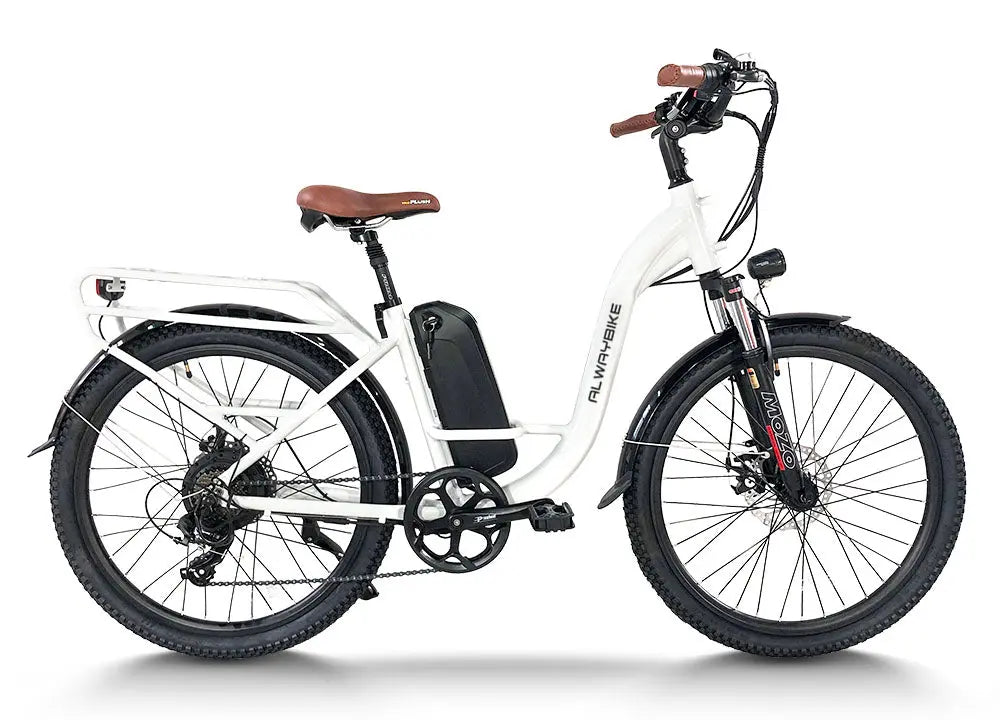
| Enclosed car or SUV | Move the whole bike if it fits with stable support and does not interfere with safe vehicle operation. | Remove the battery only when the instructions allow it and doing so improves fit, handling, or protection from pressure and exposure. |
| Pickup truck or external carrier | Treat the whole bike as a complete vehicle-and-carrier load, including the battery if it remains installed. | Change the setup if the load, attachment points, clearances, or weather protection do not meet the vehicle or carrier instructions. |
| Storage or short local movement | Move the whole bike or battery in a stable, supported space that prevents sliding, crushing, impact, and contact with conductive objects. | Separate the battery when the bike's fit or exposure is the problem, but give the removed battery its own protected setup. |
| Air travel | Treat the bike and battery as a provisional request until the operating airline and applicable authorities review the configuration. | Do not book, pack, or arrive at the airport assuming that removal, a watt-hour rating, or a common e-bike format guarantees acceptance. |
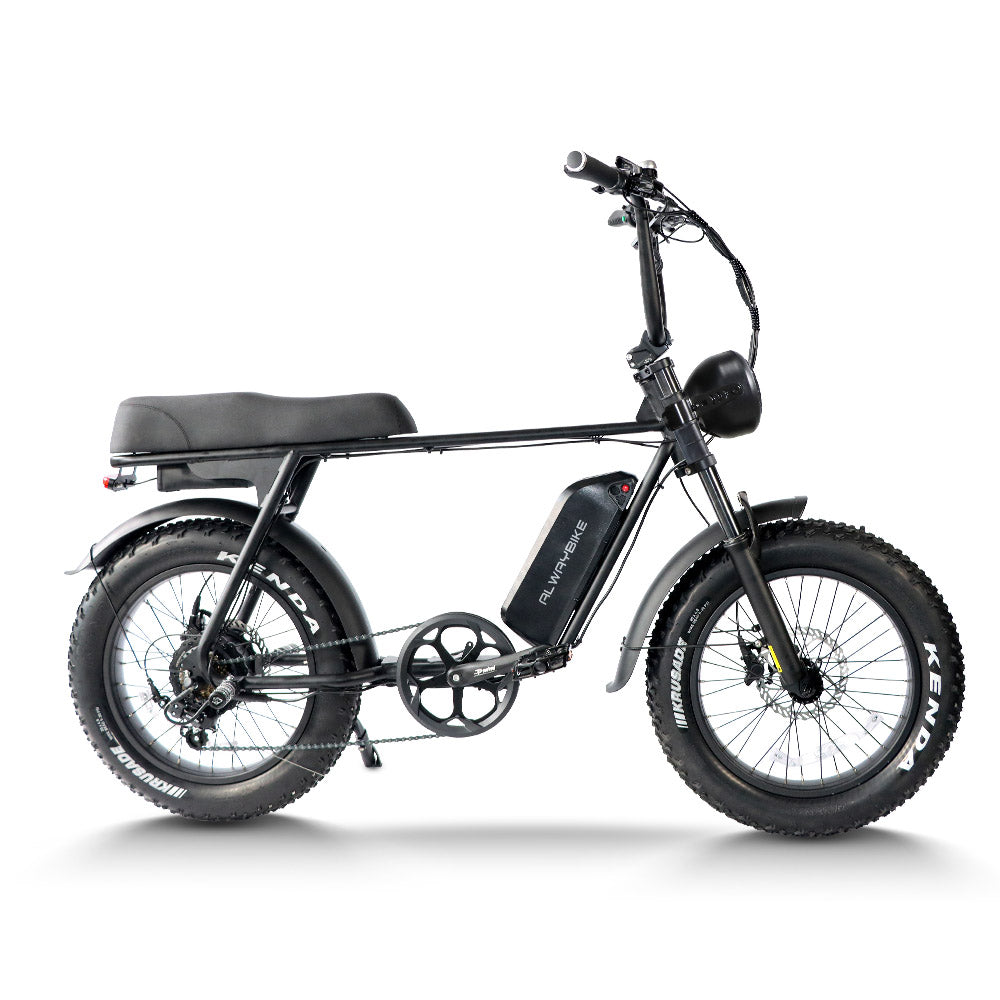
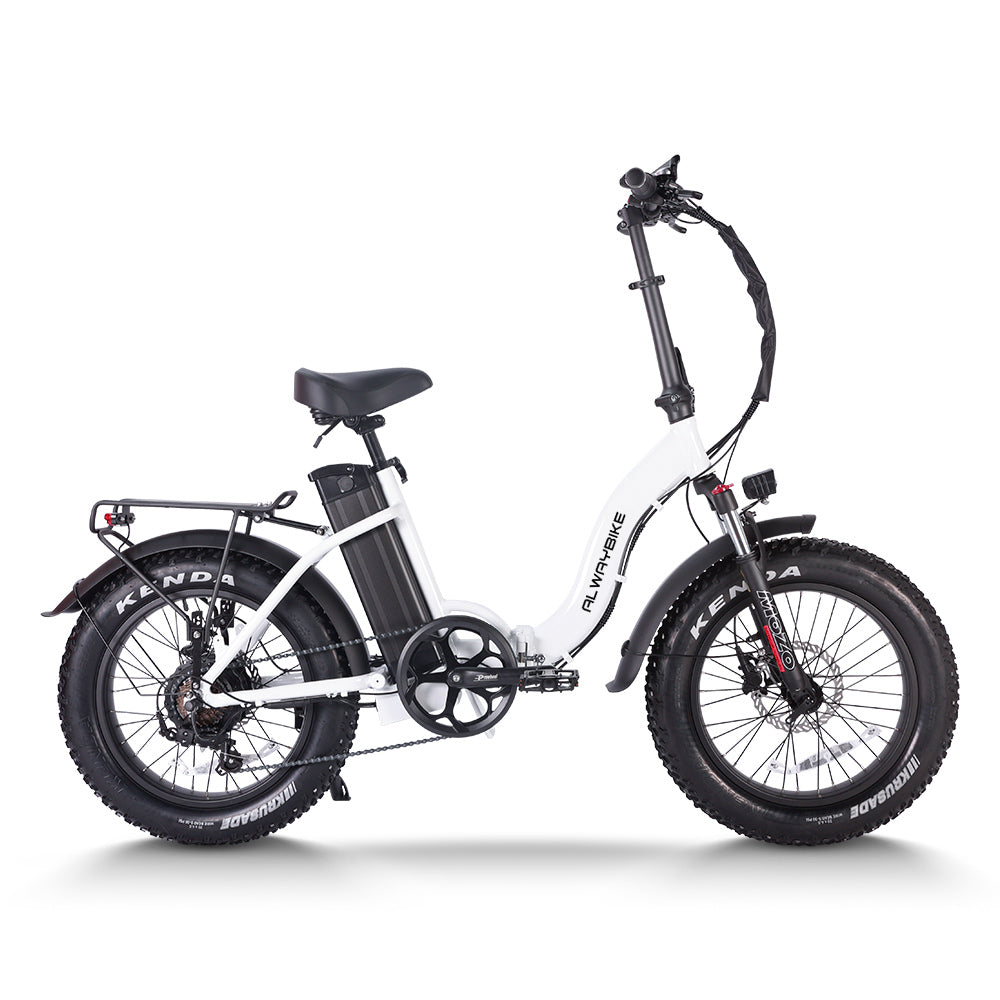
The practical rule is not “always leave the battery installed” or “always remove it.” When transporting an electric bike, leave it installed only when the loaded bike is supported, protected, and permitted by the applicable instructions. If you remove it, secure the empty mounting area and handle the battery separately.

An inspection for visible damage tells you when to stop; it does not approve a transport method. Use CPSC micromobility guidance to define what to inspect, then check the bike, battery housing, connectors, mounting points, and exposed components before using the loaded setup.
Check Fit and Load Limits Before Choosing a Ground Route
Before choosing a ground route, record the bike and battery dimensions and weights. Compare the complete load and attachment method with the vehicle or carrier instructions. If a required dimension, support point, or load limit is unknown, do not use the setup.
Start with the bike's weight, the battery's weight, the overall length, width, and height, and whether the stated bike or carrier load includes the battery. Use labels, manuals, and vehicle or carrier documentation rather than a general e-bike category. A removable battery can change both the carried weight and the clearance needed for loading.
For an enclosed car or SUV, confirm that the bike fits without forced contact and does not block the driver's visibility, doors, hatch, controls, or anything else needed for safe vehicle operation. Check whether the wheels, pedals, handlebars, cables, or suspension components will press against hard surfaces or passengers during the trip.
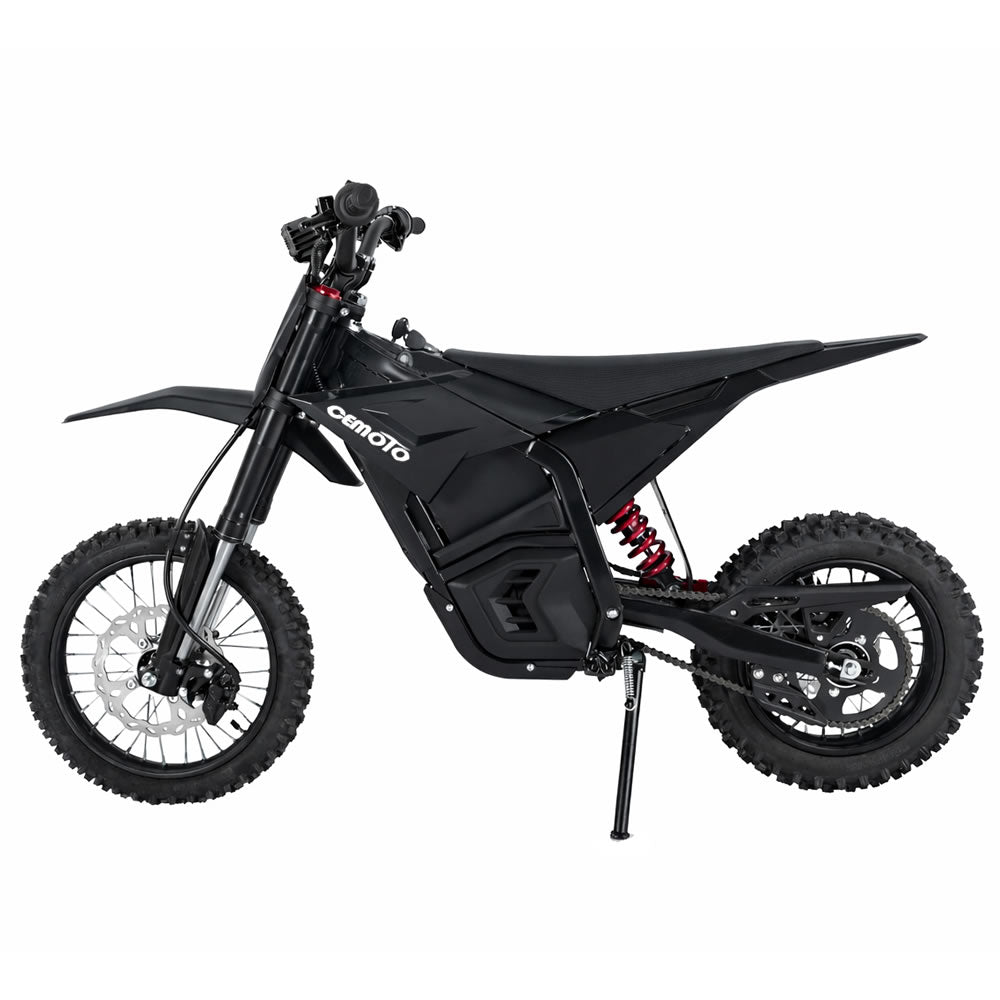
For a pickup bed or external carrier, compare the complete load with the stated capacity and use the approved support and attachment locations. Check the ramp, tailgate, hitch, wheel, road, and ground clearances that apply to the setup. A heavier electric dirt-bike-style model needs load and attachment verification, not a generic rack assumption.
For storage or short movement, inspect the support surface and carrying path. Account for heat, direct sun, water, road spray, impact, tools, passengers, and pressure from other cargo. A short distance does not eliminate the need to prevent movement or connector damage.
Secure the Whole E-Bike Against Shifting in Transit
Secure the bike so it cannot roll, tip, shift, contact damaging surfaces, or operate accidentally. Use the vehicle or carrier's specified loading and restraint areas because there is no universal strap pattern, tie-down point, rack type, or loading orientation for every e-bike and vehicle combination.
Inside a Car or SUV
Position the bike only in an orientation supported by its design and the available space. Use padding at appropriate contact points, while keeping the handlebars, pedals, wheels, controls, cables, and suspension components from striking people or hard surfaces. Do not compress a control, cable, suspension part, or other fragile area simply to make the bike fit.
Keep the bike from rolling or sliding into doors, seats, cargo panels, or other items. Close the doors or hatch only after confirming clearance and safe operation. Before departure, perform a gentle movement check: the bike should remain supported without contacting damaging surfaces, and nothing should be able to activate accidentally.
In a Pickup Bed or on an External Carrier
Use only the loading and tie-down locations specified for the vehicle or carrier, and support the wheels only where that setup permits. The restraint arrangement must address forward, rearward, side-to-side, and tipping movement; do not treat one strap arrangement as universally correct.
Check tailgate, ramp, hitch, wheel, and ground clearance before leaving. For an uncovered setup, account for rain, road spray, dust, and other exposure without trapping moisture around connectors. Recheck movement, clearance, and exposure after loading and again after the first stop. If the bike has loosened, shifted, or exceeded a stated limit, do not continue.
Formal lithium-battery shipment guidance also uses the principle of preventing shifting and accidental operation, but it is not a consumer pickup-bed or rack specification. Let the vehicle and carrier instructions control the physical restraint method.
Protect a Removed E-Bike Battery and Its Connectors
A removed battery needs its own stable, protected setup. Place it where it cannot slide, drop, be crushed, or take pressure from other cargo, and isolate its terminals and connectors from metal, impact, and moisture during e-bike battery transport.
Use the battery maker's handling instructions and a protective container or compartment suited to that specific battery. Do not treat a generic bag or container as universally compatible or approved. Keep the battery away from heat, direct sun, water, tools, passengers, and cargo that could press against the housing or connector area.
For air travel, exposed terminals on a spare or removed lithium battery must be protected from short circuit. FAA guidance gives examples such as original packaging, terminal tape, a battery case, or a snug protective pouch, but the method still needs to fit the battery and the airline's current instructions. Protect removed battery terminals from short circuit before treating the battery as ready for travel.
If you need help identifying connector and mounting terminology before reconnection, use battery connector compatibility as a reference; the battery maker's handling instructions still control transport.
Before reconnection or use, inspect the housing, connector area, mounting points, and visible bike components for damage or moisture. If you find visible damage, moisture, or an insecure fit, stop and obtain current maker or carrier guidance. Do not add repair steps to a transport plan.
Verify Air-Travel Acceptance Before Booking or Packing
Air travel requires a verification process, not an assumption about eligibility. Gather the equipment details, ask every operating carrier about the proposed configuration, and save the current answer before booking, packing, or arriving at the airport.
- Identify the equipment. Record the exact bike, battery, number of batteries, battery dimensions, battery weight, and whether each battery will be installed or removed. Include the whole-bike plan if the bike itself may travel.
- Record the watt-hour rating. Find the battery's stated Wh value on its label or in its documentation. Do not substitute a guessed value or assume that removability makes an e-bike eligible.
- Identify the complete itinerary. List every operating and connecting carrier, the airports, and any airport handling requirements that apply to the route. A booking or marketing carrier may not be the only operator whose rules matter.
- Check the current baseline and carrier rules. Under the FAA's U.S. passenger framework, rechargeable lithium-ion batteries from 0–100 Wh are generally allowed, 101–160 Wh require air-carrier approval, and batteries over 160 Wh are forbidden in passenger baggage under that framework. Spare or removed batteries must be carried on rather than checked. These are baseline categories, not an e-bike acceptance decision. Review the FAA passenger battery categories, then ask the operating carrier because TSA, international, route, and airline rules may be stricter.
- Ask configuration-specific questions. Ask whether the whole bike and battery are accepted, whether removal changes the answer, and what packaging, documentation, checked-baggage, carry-on, cargo, or separate-shipping treatment is required. IATA recommends contacting the airline well in advance because operators may add restrictions or refuse approval; confirm the exact airline and battery configuration before travel.
- Save and recheck the response. Keep the carrier's instructions or reference number, then repeat the check if the itinerary, operating carrier, bike, battery, installed status, or packaging changes. If the battery is damaged, defective, or recalled and could create sparks or dangerous heat, do not attempt air travel; obtain current maker, carrier, or authority guidance instead.
If the battery will move as cargo rather than as passenger baggage, use the cargo process, not carry-on rules. Ask the carrier for its current dangerous-goods instructions or use a qualified shipper. If the operating carrier has not confirmed the exact bike or battery setup for the itinerary, do not book or pack it. Save the carrier's response and recheck it after any change.
Frequently Asked Questions
These questions cover decision points that change the transport plan rather than repeat the ground-loading sequence.
Does removing an e-bike battery make air travel acceptable?
No. Removal changes the configuration the airline must review, but it does not by itself establish acceptance. Treat the whole bike and removed battery as separate questions for the operating carrier, using the FAA recreational-vehicle guidance as a U.S. reference rather than a booking guarantee.
Do passenger baggage rules apply when the battery moves as cargo?
No. Carry-on and checked-baggage rules do not answer a cargo shipment. Ask the carrier or a qualified shipper for the current dangerous-goods process before handing over the battery.
When should I stop a transport plan?
Stop before reconnection or air travel if the battery is damaged, defective, recalled, wet, or cannot sit securely. Do not add a repair step to the trip; obtain current maker or carrier guidance for that exact condition.
