

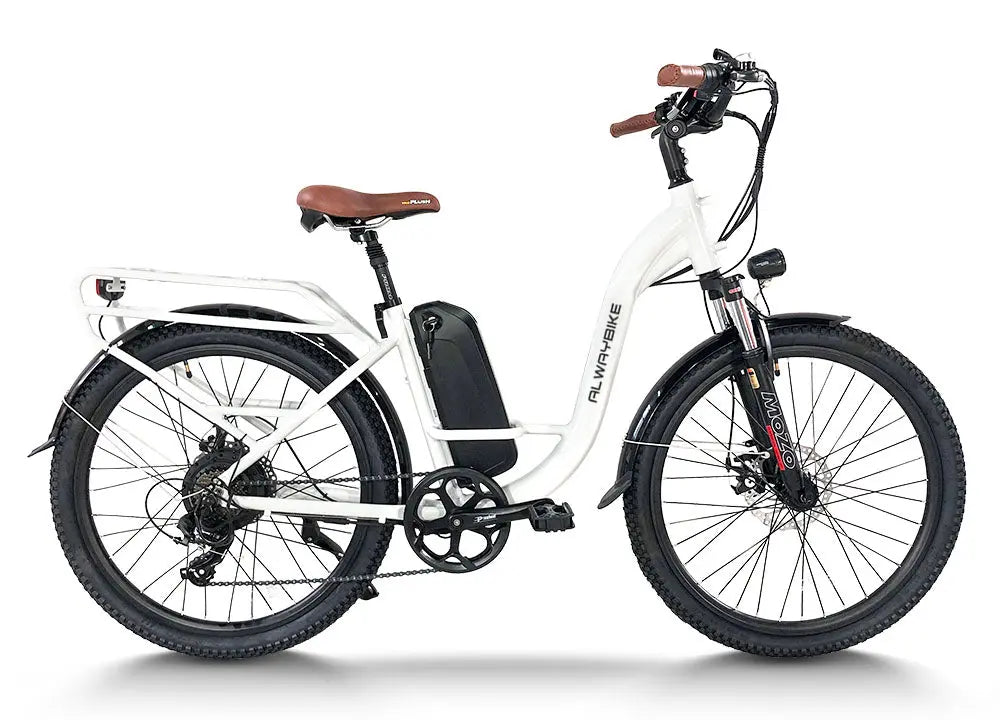
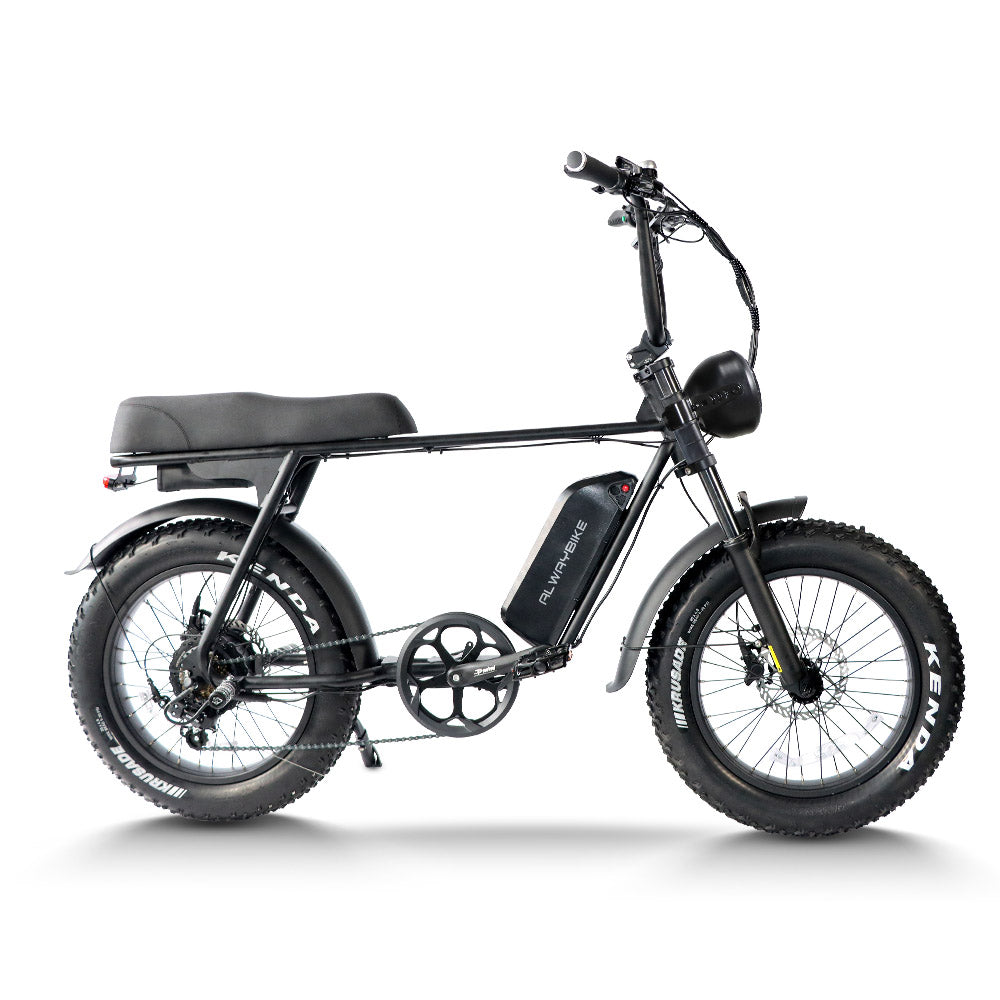
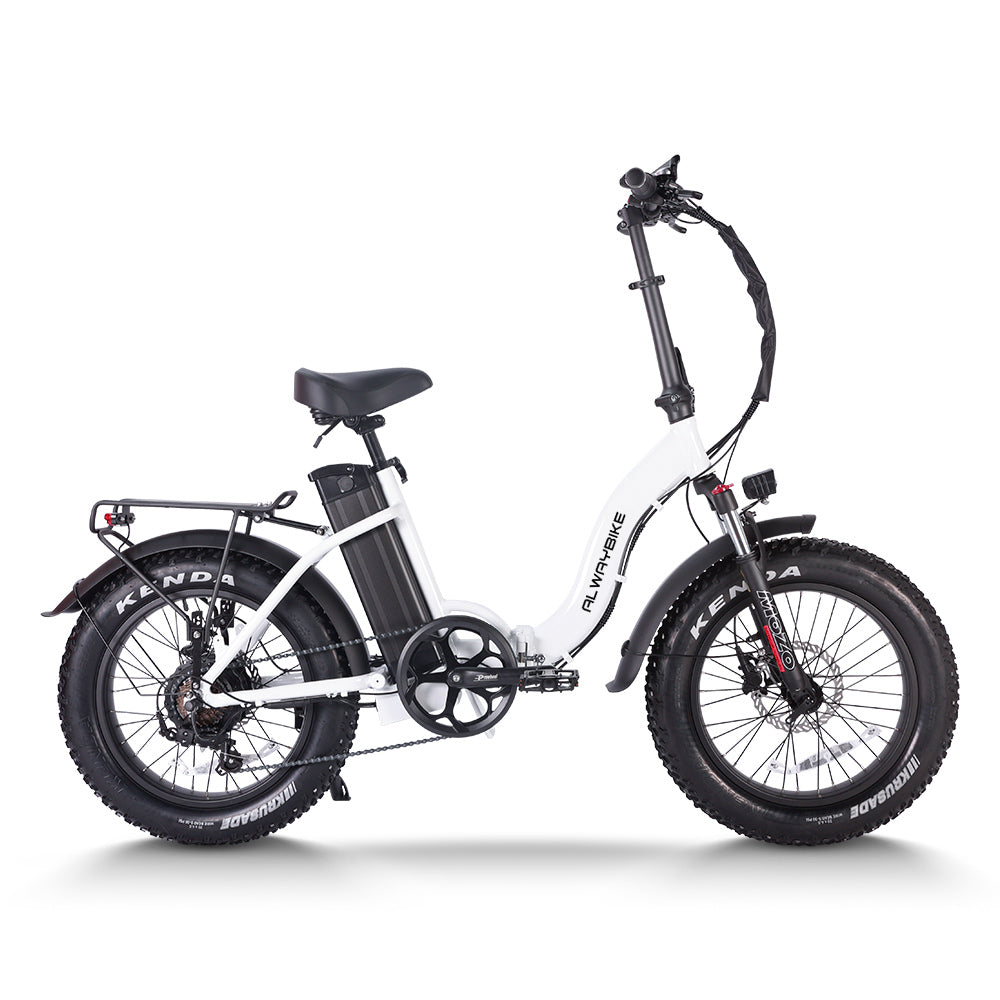

Cargo E-Bike Fleet Downtime: Build a Repair Escalation Workflow


A practical breakdown-response process for small delivery fleets, covering safety triage, repair ownership, parts handoffs, verification, and bike release.
Cargo e-bike fleet maintenance works best when every failure follows one traceable path: report the problem, stop unsafe use, classify the response, assign an owner, coordinate the repair, verify the affected system, and record whether the bike is ready to ride. This workflow helps a small delivery operation manage an active-route breakdown, a pre-shift discovery, or a bike waiting for release without relying on ad hoc judgment.

Cargo E-Bike Fleet Maintenance: Run the Repair Escalation Flow
Use one asset-linked incident record from the rider’s first report through the final ready or remain-out-of-service decision. The table below gives each stage a trigger, owner, action, record, and handoff outcome.
| Stage | Trigger or decision | Owner | Next action | Required record | Handoff outcome |
|---|---|---|---|---|---|
| 1. Rider report | A fault appears during a route, shift, or pre-shift check. | Rider or reporter | Stop normal use as needed, protect the rider and cargo, and report through the designated channel. | Bike ID, reporter, time, location, route or depot context, symptom, and safely captured media. | Dispatch knows the bike’s current use status and opens the incident. |
| 2. Safety triage | The report may involve braking, steering, frame or structural integrity, wheels or tires, battery, or an unknown electrical issue. | Dispatch or assigned triage owner | Confirm whether the bike is isolated, can be moved only under an approved process, or needs a qualified inspection. | Safety status, isolation or vehicle-swap status, cargo status, and immediate restriction. | The bike is either held safely or routed to the next decision without unsafe redeployment. |
| 3. Response-path classification | The symptom, capability, workspace, tools, and service-continuity needs are clear enough to choose a path. | Fleet manager or maintenance lead | Select a field fix, depot repair, local repair partner, or vehicle swap. | Chosen path, reason, decision owner, and escalation trigger. | Dispatch and repair staff know what happens next. |
| 4. Assignment | A repair or continuity path is selected. | Fleet manager or dispatch lead | Assign the responder, depot, partner, or replacement-bike action. | Current owner, next action, authorization boundary, and communication status. | Responsibility moves to a named person or provider. |
| 5. Repair and parts coordination | Diagnosis, parts, labor, or partner support is needed. | Repair owner, with parts or partner owner | Record the requested work, parts needs, labor status, restrictions, and any change in diagnosis or path. | Work order, parts status, labor or partner details, and updated disposition. | The incident stays open until the repair and release evidence are complete. |
| 6. Verification | Work is recorded, but release has not yet been authorized. | Qualified verifier | Check the affected system and related interfaces against the applicable procedure. | Work performed, parts, unresolved observations, checks or test result, verifier, date, and restrictions. | The operations release owner records, communicates, and confirms the documented ready or remain-out-of-service status. |
| 7. Return-to-service confirmation | Verification is complete or a safety concern remains unresolved. | Operations release owner | Confirm the documented status and remove the isolation or vehicle-swap flag only when release is explicit; otherwise, continue escalation. | Final disposition, release status, communication record, and follow-up action. | The rider and dispatch know whether the bike can be assigned. |
For a brake concern, brake guidance in the owner’s manual supports a direct stop-use boundary and inspection before continued operation. Apply the same conservative workflow principle to other unresolved safety or unknown electrical concerns, while leaving detailed repair instructions to the applicable model documentation or qualified service provider.

Choose the Safe Repair Response
Choose the response path based on the bike’s safety status and the operation’s actual capability, not route pressure alone. An active-route incident first requires decisions about the rider, cargo, location, and use status. A pre-shift or depot discovery should remain isolated before anyone assigns it.
Use a field fix only when the fault is understood and the responder has the skill, tools, and equipment for that work. This path is not permission to diagnose an unknown electrical problem or improvise a brake, steering, frame, wheel, tire, or battery repair. Safe isolation or movement is also not the same as repair authorization.
Choose depot repair when the bike needs a controlled workspace, fuller diagnostics, or a repair the field responder cannot verify safely. Choose a local repair partner when the operation lacks the needed capability, equipment, or qualified inspection. Before sending the bike, record the requested work, restrictions, current owner, and authorization boundary.
Choose a vehicle swap when safe route continuity requires another approved vehicle or when the original bike must remain isolated. A swap keeps service moving; it does not show that the original bike is repairable. Keep the original incident open until its repair or final disposition is documented.
For unresolved brake concerns, use professional-inspection guidance for a bike with a brake problem. More broadly, keep a bike out of service when a braking, steering, frame or structural, wheel or tire, battery, or unknown electrical concern remains unresolved. Route it to a qualified inspection or another approved response path.
Create the Incident Record and Keep the Handoff Moving
The incident record should transfer responsibility as the bike moves between the rider, dispatch, depot, parts contact, labor provider, and release owner. It is more useful than a short note that only says “bike down.”
Capture the bike identifier, rider or reporter, date and time, route or depot context, location, cargo status when relevant, symptom, warning indicators, safety action, isolation or vehicle-swap status, and safely captured media. Then name the current owner and next action. In a small operation, one person may hold several roles, but each responsibility still needs a named owner.
Before work begins, connect the working fault, requested repair, compatible-part needs, authorization boundary, labor or partner, restrictions, and disposition to the same record. Update it when the diagnosis changes, a part is delayed, labor changes, a restriction is added, or the response path changes. Parts ordering, partner acceptance, and repair completion are status updates, not closure.
A clear reporting route and named responsibility help prevent an incident from sitting between dispatch and repair. Use asset-linked incident records and named responsibility as an operational model, not as a nationwide legal rule. Check the jurisdiction where the operation runs for additional delivery-bike equipment, training, registration, or recordkeeping requirements.
Carry the bike’s identifier, symptom history, safety status, requested work, restrictions, and current owner in every handoff. When the record reaches parts planning, the related spare-parts planning article can serve as a follow-up resource for controlled replenishment. It does not replace compatibility checks or service authorization.
Verify the Repair and Release the Bike
Repair completion and return-to-service authorization are separate decisions. The repair owner should request release only after recording the work completed, parts involved, unresolved observations, restrictions, and any follow-up conditions.
The verifier then checks the affected system and related interfaces using the applicable model documentation or qualified-service procedure. Do not treat a power-on or brief ride as automatic proof that an incident is resolved. When the incident could affect them, consider brakes, steering, structural integrity, wheels, tires, and applicable instructions in the release process. This is a practical safety check, not a universal legal checklist for every e-bike configuration.
The release record should include the reported fault, work and parts, affected-system checks, unresolved observations, verifier, date, test result, restrictions, and an explicit ready or remain-out-of-service status. The operations release owner communicates that status to the rider and dispatch before removing an isolation or vehicle-swap flag.
If a required check is incomplete, the applicable procedure is unknown, or the concern remains unresolved, keep the bike out of service and continue the appropriate escalation. Use the applicable e-bike manual for model-specific instructions when it is the relevant operating resource. If documentation may support a claim, route the completed records through the warranty claim requirements, without treating that process as release authorization.
Reduce Repeat Cargo E-Bike Downtime With One Process Review
After each incident closes, assign one owner to make one process change. Review whether the first report was early and complete, whether ownership stayed clear, whether parts and labor handoffs were recorded, whether restrictions followed the bike, and whether the same symptom has appeared before.
Prioritize a practical change such as a clearer pre-shift and post-shift defect-reporting rule, a single reporting channel, controlled replenishment for compatible service parts, or a defined escalation trigger. Keep compatibility and service authorization separate from inventory convenience. Use the cargo e-bike maintenance checklist as a companion for routine maintenance, not as a replacement for incident escalation or a universal service schedule.
Cargo e-bike fleet maintenance should also include a review of the closed incident. Model-specific instructions and dated service records should guide recurring maintenance and follow-up work. Give riders one stop-use instruction and one reporting route, then use the review to clarify the next owner, record field, training point, or inspection rule. This improves consistency without promising a particular response time, parts availability, or uptime result.
FAQs
How Do Delivery Fleets Handle E-Bike Breakdowns?
They use a traceable sequence: rider report, safety triage, response-path choice, named ownership, repair and parts updates, qualified verification, and explicit status communication. The path may be a field fix, depot repair, local repair partner, or vehicle swap, but unresolved safety concerns keep the bike out of service.
How Can a Small Delivery Operation Reduce Cargo-Bike Downtime?
Report defects early, give every handoff a named owner, keep parts and labor updates in the incident record, and review repeat symptoms after closure. These controls reduce avoidable confusion, but they do not promise a specific response time, parts availability, or uptime result.
When Should a Fleet Repair an E-Bike Versus Take It Out of Service?
Use a field fix only for an understood issue within the responder’s skill, tools, and equipment. Use depot or partner repair when capability, workspace, or verification requires it, and use a vehicle swap when service continuity needs another approved vehicle. Keep the bike out of service for unresolved safety concerns or unknown electrical issues.
What Should Be Confirmed Before a Repaired Cargo E-Bike Returns to a Route?
Confirm the documented work, affected-system checks, parts, unresolved observations, restrictions, named verifier, date, and test result. The release owner must record ready or remain-out-of-service and communicate that status before removing the isolation or vehicle-swap flag. The relevant safety-system checks before release should match the incident and applicable procedure.
