

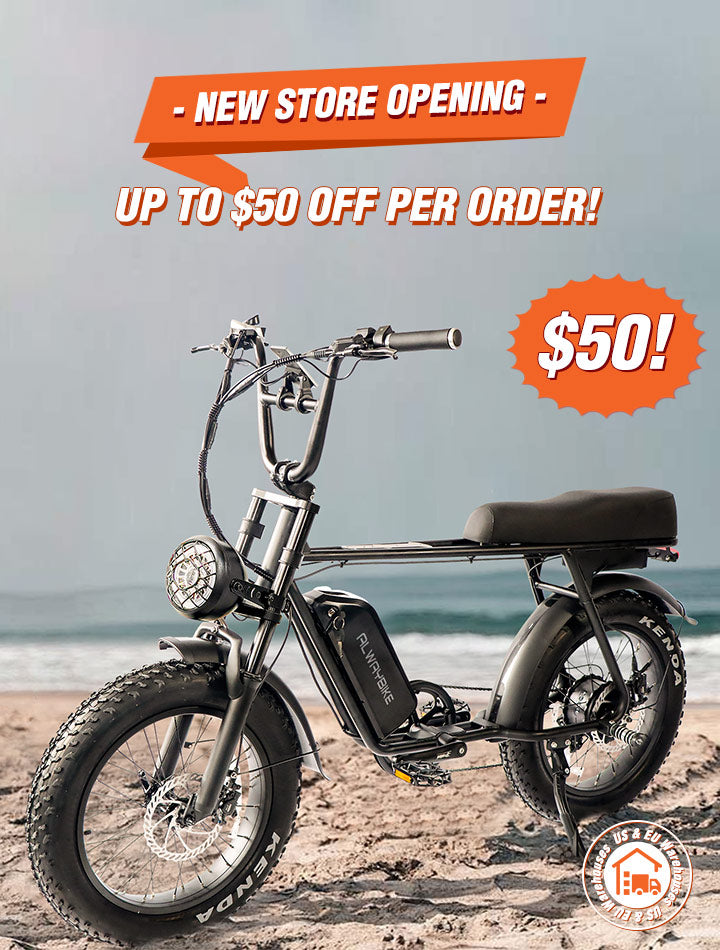
Rain, Road Spray, and E-Bikes: A Wet-Weather Commuting Checklist


An all-weather electric bike is not defined by a label alone. Use the exact manual, route conditions, vehicle condition, controllable handling, and a dry-before-charging care routine to decide whether to ride, postpone, or inspect first.
An all-weather electric bike is not automatically waterproof or approved for every storm. For a practical commute, the exact model documentation must match the expected rain and spray, the route must remain visible and controllable, the bike must have suitable equipment and working brakes, and you need a plan for drying and inspection afterward. If a critical water-use or charging limit is missing, treat that as an unanswered question—not permission to ride through deep water.

What Makes an All-Weather Electric Bike Commute-Ready
An all-weather electric bike is commute-ready only when its documentation, equipment, route, handling, and post-ride care routine match the expected rain and spray. Weather readiness is a conditional checklist, not a marketing label.
Use these four checks:

- Documented exposure: Does the manual address rain, spray, puddles, charging, cleaning, and storage?
- Suitable route: Can you avoid uncontrolled standing water while maintaining visibility and traction?
- Controllable handling: Can you slow, steer, and brake smoothly for the conditions?
- Post-ride care: Can you keep the vehicle disconnected from charging until relevant areas are dry and checked?
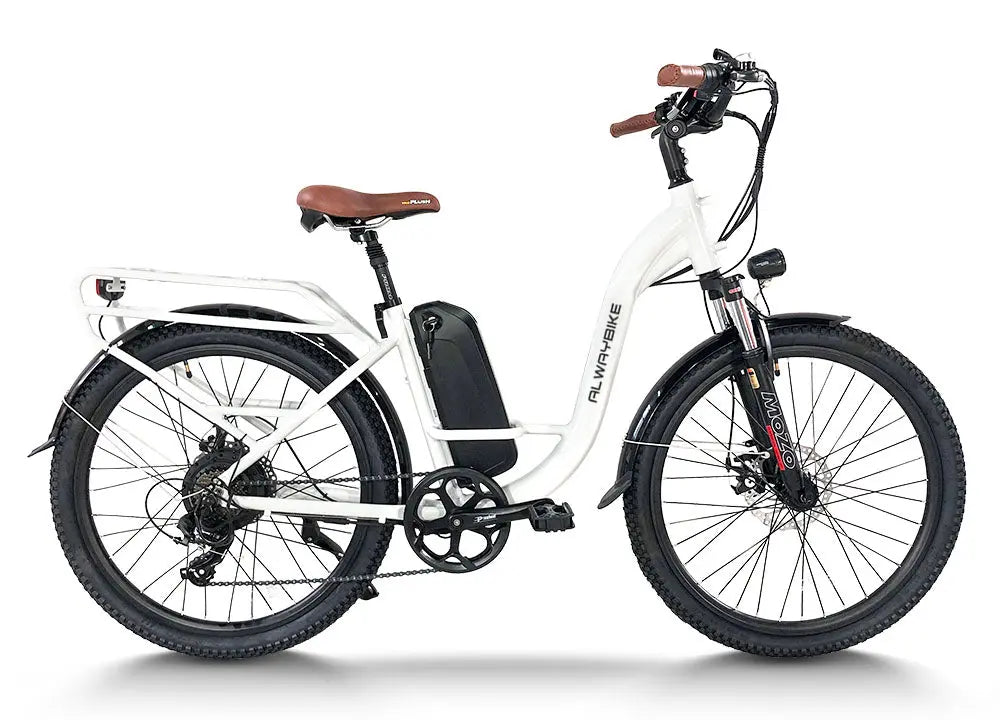
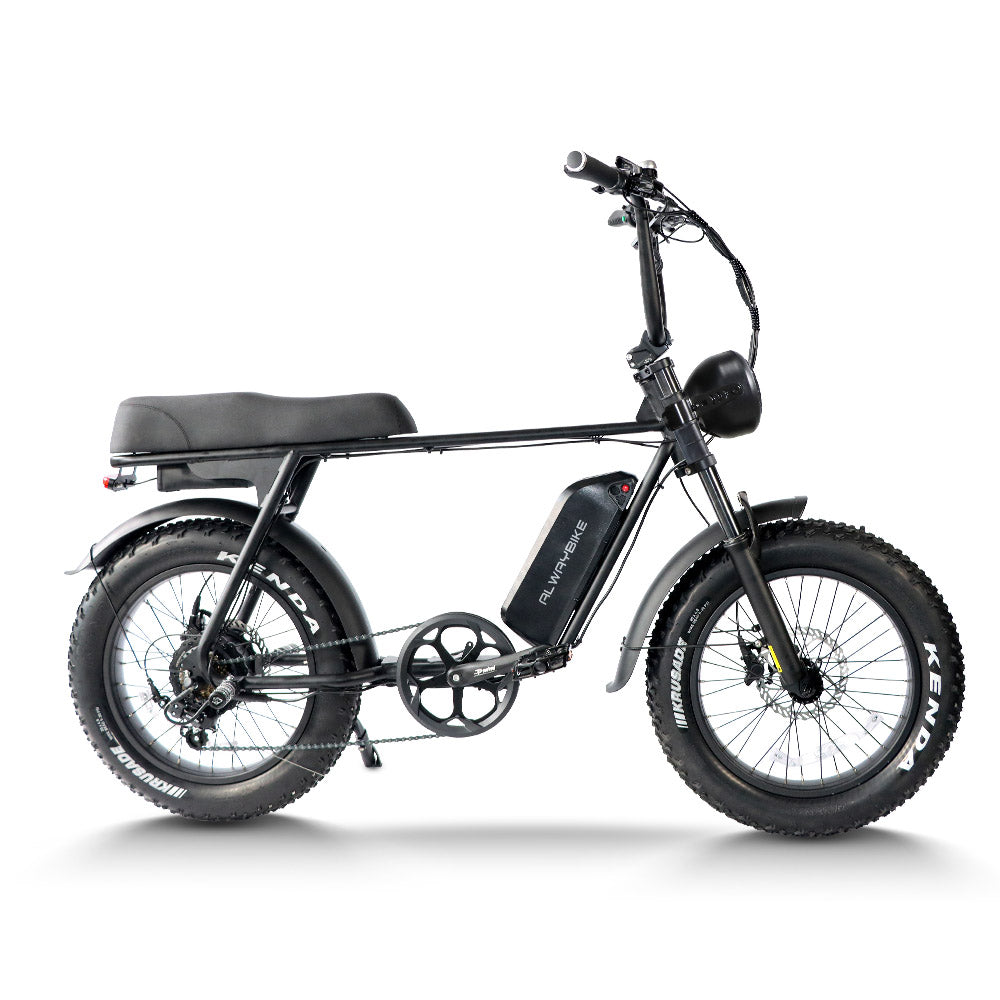
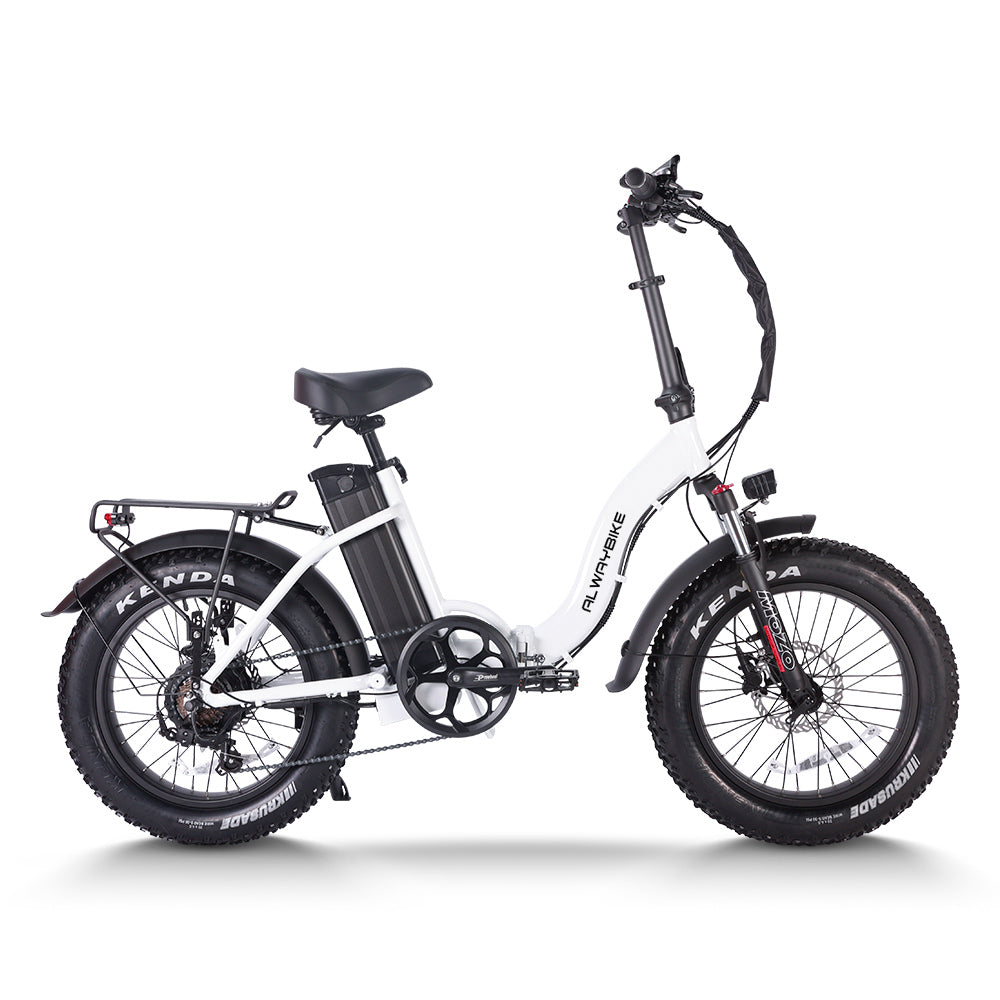
A commuter setup may include fenders, covered connectors, suitable tires, working lights, and brakes that are in good condition. Those features can help manage spray or improve preparedness, but none proves that the complete vehicle is waterproof or approved for immersion. If you are comparing commuter e-bike options, use the listing as a starting point, then verify the exact model manual, warranty language, charging instructions, and wet-use limits. Guidance for wet-weather riding limits and route conditions supports treating rain, slippery pavement, puddles, and visibility as part of the same decision.
If any answer is unclear, the responsible description is "water-use limits unresolved," not "rain-ready."
Decide When to Ride, Postpone, or Inspect First
Light rain or ordinary road spray may be workable when the exact manual permits the exposure and the route remains visible, dry enough to control, and free of uncontrolled water. Puddles, flooding, severe weather, or an already compromised vehicle change the decision from ride to postpone or inspect.
Light Rain and Road Spray
A short trip through light rain can fit a documented model's limits when you can see hazards, maintain traction, and keep the vehicle under control. Road spray deserves the same attention as rainfall because water can reach connectors, controls, brakes, and other exposed areas from passing traffic.
Fenders help direct spray away from the rider and parts, but they do not expand the manufacturer's exposure limit. Repeated wet commutes also justify more frequent checks for loose covers, trapped grit, brake changes, and moisture around accessible connectors.
Puddles, Flooding, and Severe Weather
Do not use a universal puddle depth or rainfall number as a substitute for the owner's manual. When the relevant water limit is not stated, choose the cautious option and postpone routine wet use until the manufacturer clarifies it.
Use this stop-or-go check before leaving:
- Water: Are puddles deep, fast-moving, unavoidable, or positioned where they may reach vulnerable electrical areas?
- Visibility: Can you see traffic, lane markings, debris, and surface changes early enough to respond?
- Traction: Are wet leaves, painted markings, metal covers, loose gravel, or slick debris preventing controlled steering and braking?
- Storm conditions: Is heavy rain, lightning, flooding, or wind making the route unpredictable?
- Vehicle condition: Are brakes, lights, tires, controls, covers, or connectors wet, damaged, loose, or behaving unusually?
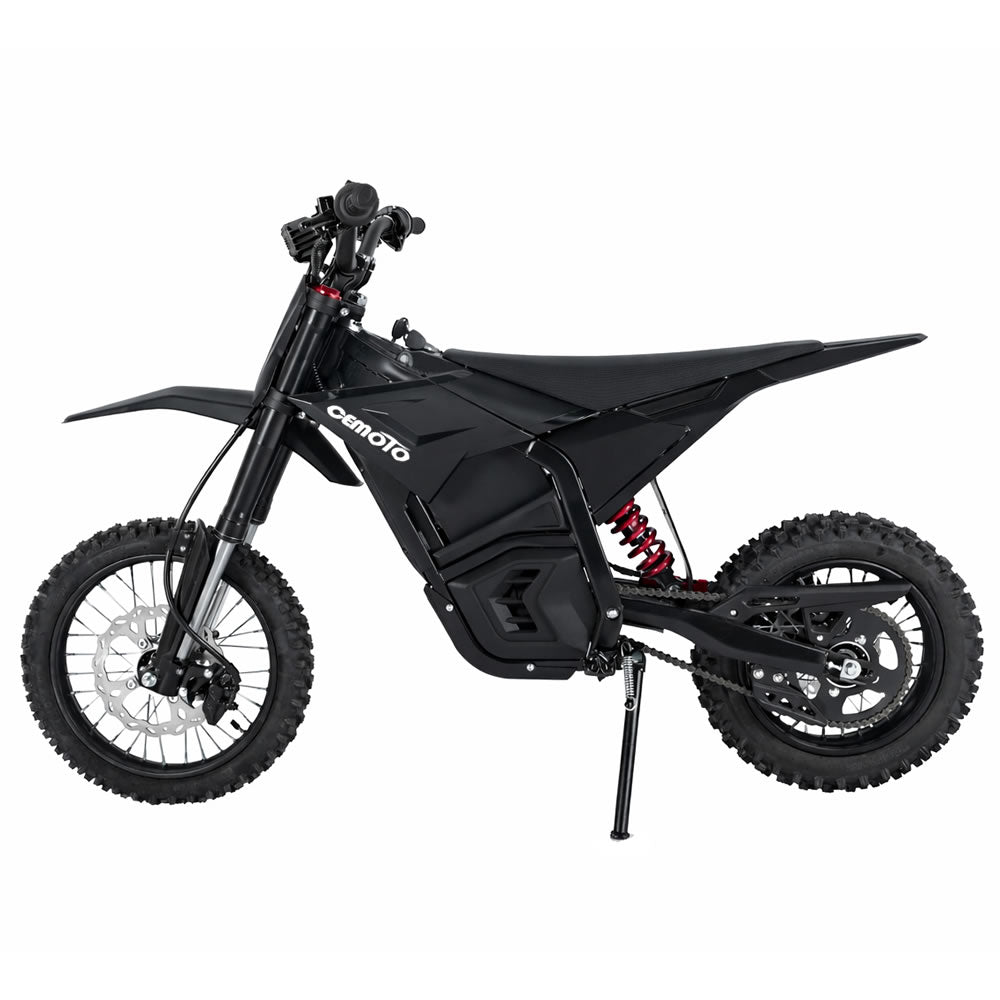
If control, visibility, or the vehicle's condition is compromised, postpone or inspect first. Electric scooters require a separate decision: check the scooter's own manual for rain, puddles, traction, charging, and storage. Do not transfer an e-bike's wet-use guidance to a scooter.
Check the Bike's Wet-Weather Weak Points
The most useful all-weather e-bike features are not isolated badges; they are documented protections and components that fit the route. Check seals, connector covers, charging points, fenders, tires, brakes, controls, and exposed hardware together, then compare each item with the exact model instructions.
Seals, Connectors, and Charging Points
Before a wet commute, inspect the areas most likely to collect spray or dirt.
- Check that connector and charging-port covers close fully and fit securely.
- Look for visible wiring damage, loose connections, or debris that could keep a seal from closing.
- Review the manual's instructions for the battery, charging port, display, wiring, motor area, and connector covers.
- Keep a wet, dirty, loose, or damaged charging area out of service until it is dry and checked according to the applicable manual.
A battery-system manual warns not to connect wet plugs and says to check that water is absent from the charging port before charging; keep the charging port and plug dry before charging.
Fenders, Tires, and Exposed Hardware
Fenders can reduce clothing and component spray, while tire condition and tread affect contact with wet pavement. Confirm that any fender or accessory fits the specific frame, leaves adequate clearance, and does not interfere with wheels, cables, lights, or brakes. A component listing alone cannot establish whole-vehicle water approval.
| Feature | What It Helps With | Limit To Verify In The Manual |
|---|---|---|
| Fenders | Directing road spray away from the rider and bike | They do not authorize flooding, immersion, or deeper water |
| Tires | Maintaining predictable contact when properly inflated and in good condition | Tire style does not guarantee wet traction on every surface |
| Covers and seals | Reducing exposure at specified openings and connectors | Confirm the model's water-use and inspection instructions |
| Exposed hardware | Identifying areas that may collect grit or moisture | Check cleaning, corrosion, and service guidance for the model |
Brakes and Wet-Road Stopping
Wet rims, rotors, pads, and pavement can change braking response, so inspect brake condition before riding and allow more room than you would on a familiar dry route. Do not infer wet stopping performance from a brake type or product listing. Basic bicycle brake requirements are not the same thing as model-specific wet-road performance evidence.
Change How You Ride on Wet Roads
Wet-road technique should make your movements slower, smoother, and more predictable. Wet pavement may reduce available traction and require additional stopping time, so adapt speed and spacing to the surface rather than relying on a fixed stopping-distance number.
- Slow down and create space. Reduce speed before turns, intersections, descents, and areas where spray or glare hides surface defects. Increase following distance so you can brake earlier without forcing a hard stop.
- Steer and brake smoothly. Apply the brakes progressively, keep steering inputs controlled, and avoid abrupt acceleration or cornering. NJ e-bike guidance recommends extra stopping time on wet roads and gradual braking and turning; it also identifies puddles, manhole covers, painted road lines, and similar surfaces as hazards to avoid.
- Stop when control is no longer available. Pull over or choose another transportation option if visibility, traction, wind, flooding, or vehicle behavior prevents controlled movement. A route that was manageable at departure can become unsuitable as water accumulates or daylight fades.
Dry, Inspect, and Store the Vehicle After a Wet Ride
Treat drying and inspection as a gate before charging or the next commute. Power down, isolate the charging equipment, move the vehicle to a dry, ventilated place, wipe accessible surfaces, and follow the exact manual before returning it to service. Do not use a universal drying time as proof that the bike is ready.
- Power down and isolate charging. Turn the vehicle off and disconnect charging equipment. Do not connect a wet plug, port, terminal, or connector. A PeopleForBikes owner's manual likewise directs riders to dry wet electrical areas before connecting the charger.
- Wipe and ventilate. Use a soft cloth on the frame, controls, fenders, battery area, and accessible connector surfaces. Place the vehicle in a dry, ventilated location and follow the model's instructions for battery removal or handling. Do not seal a damp bike in a case or cover that traps moisture.
- Inspect safety and electrical areas. Check brake response, tires, lights, controls, cables, fasteners, fender clearance, covers, and visible connectors. Look for moisture that remains, new damage, loose parts, warning messages, unusual heat, or abnormal operation.
- Resume use only when the manual's conditions are met. If moisture, damage, warnings, or abnormal behavior remain, keep the vehicle out of service and contact the manufacturer or qualified service. For cleaning, avoid high-pressure water, steam, or close, powerful spray: an e-bike cleaning manual warns that water can pass seals and reach bearings or electronics. This is a cleaning limit, not evidence that ordinary rain or immersion is approved.
For broader maintenance planning, use electric bike maintenance guidance as a navigation resource, then give priority to your own model's manual and service instructions. A storage accessory may protect belongings, but it should not be used to enclose a wet electrical system.
Use the Manual to Confirm the Rain-Commute Decision
Before making rain commuting routine, use the exact owner's manual—not a similar model's listing—as the final authority. If a safety-critical answer is missing, postpone routine wet use and contact the manufacturer rather than filling the gap with a category assumption.
| Question To Ask | Why It Changes The Decision | Action If The Answer Is Unclear |
|---|---|---|
| What rain, spray, puddle, or immersion exposure is allowed? | It defines the route and conditions the model is intended to handle. | Choose a drier route or postpone until clarified. |
| Can the bike be charged after rain, and what must be dry first? | Charging is a separate water-exposure decision from riding. | Keep it disconnected and follow the battery-system instructions. |
| How should the battery, port, and connectors be handled? | Removal, covers, and inspection steps vary by system. | Do not improvise; contact support or service. |
| What cleaning method is allowed? | Strong water or steam can force moisture past seals. | Use the manual's method and avoid high-pressure cleaning. |
| What should be checked before reuse or storage? | Warnings, damage, or abnormal operation may require service. | Inspect first and withhold use if the issue remains. |
| What are the warranty and service boundaries for water exposure? | Coverage and required service steps are model-specific. | Read the official terms before making wet use routine. |
| Does a scooter have separate rain and charging rules? | Scooter construction and instructions may differ materially from an e-bike. | Check the scooter's own manual; never borrow the e-bike rule. |
Once the manual, route, and care routine fit your needs, you can compare electric bike models or review e-bike accessories with a specific checklist: documented water limits, route fit, fender and connector coverage, brake and tire condition, and post-ride care. Treat those links as shopping starting points, not proof of wet-weather performance.
FAQs
Use the questions below to check the decisions that are easiest to miss: parking, drying, charging, and whether guidance for one type of vehicle applies to another.
Can You Ride an E-Bike in the Rain If the Manufacturer Does Not State a Wet-Use Limit?
No. Missing guidance is not proof that riding is approved. Check the manual or contact the manufacturer before making rain commuting routine.
How Can You Protect an E-Bike From Water While It Is Parked During a Commute?
Use sheltered parking when available and keep charging ports closed as directed. Do not cover or enclose the bike while it is damp if the cover could trap moisture near electrical areas, controls, brakes, or connectors.
What Should You Do If an E-Bike Display or Connector Is Wet After Riding in Rain?
Power down, disconnect charging, wipe accessible surfaces, and follow the model manual's drying and inspection steps. Keep the vehicle out of service while warnings, visible damage, persistent moisture, unusual heat, or abnormal operation remain.
Are Electric Scooters Safe in Rain When an E-Bike Is Approved for Limited Wet Use?
Not necessarily. Check the scooter's own manual for rain, puddles, traction, braking, charging, cleaning, and storage. Do not transfer the e-bike's guidance to the scooter.
