

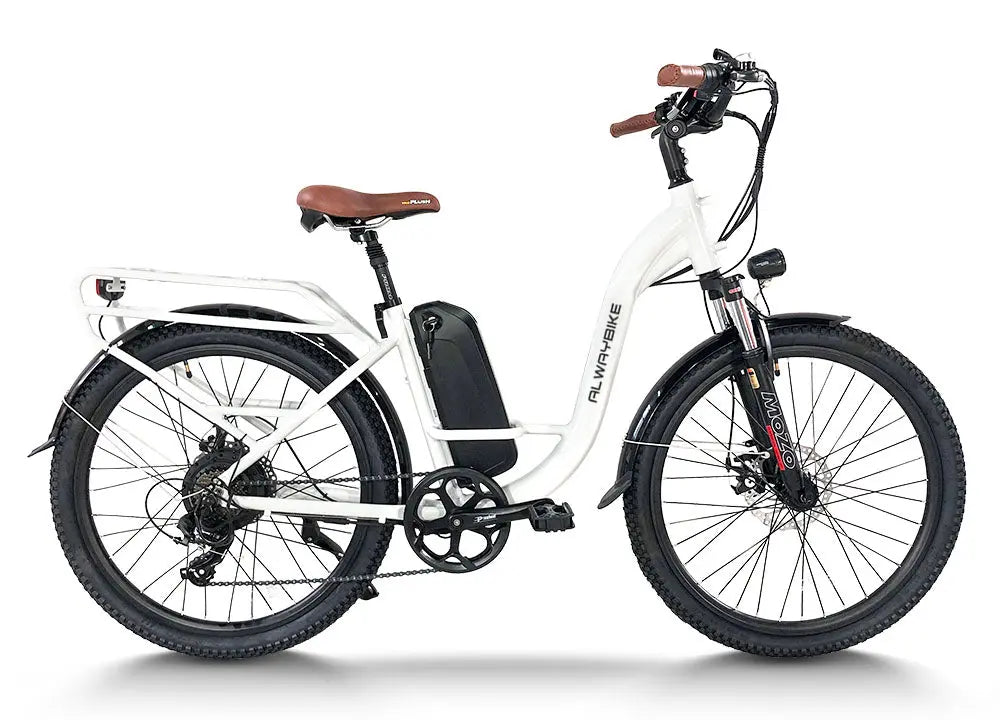
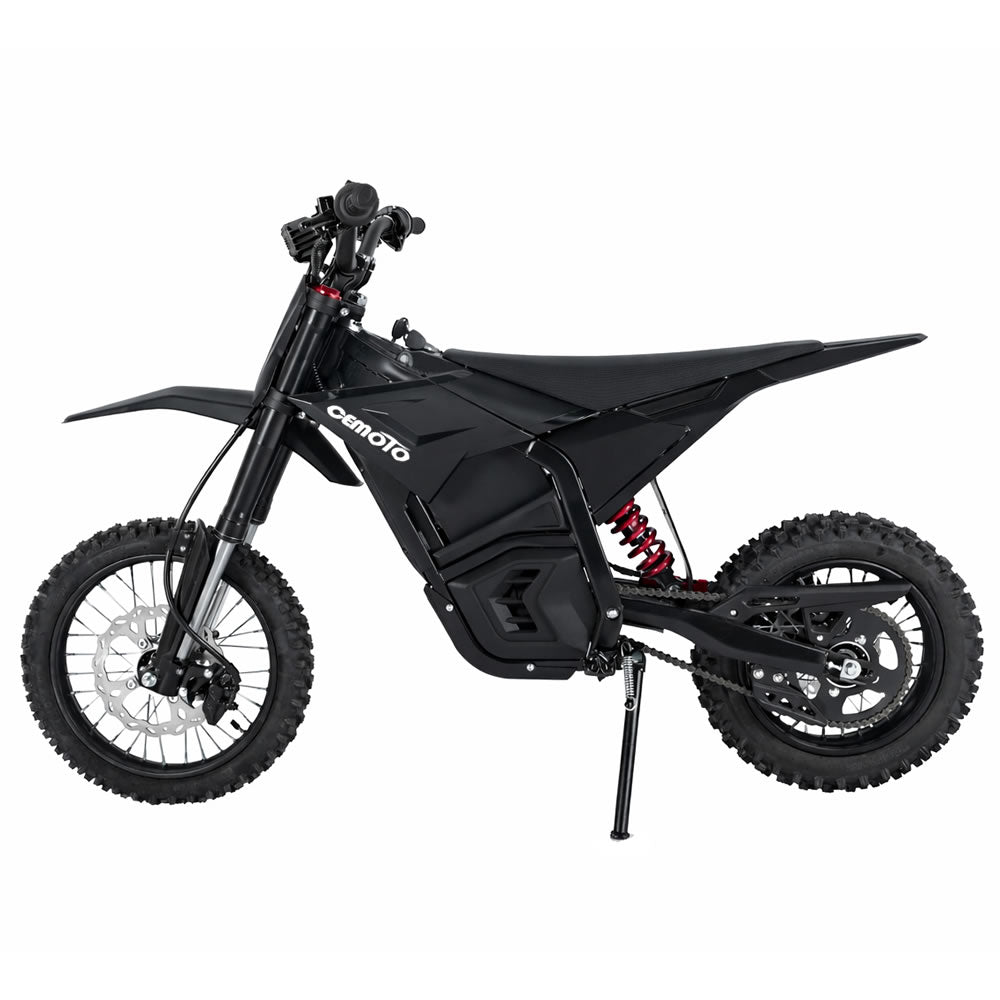
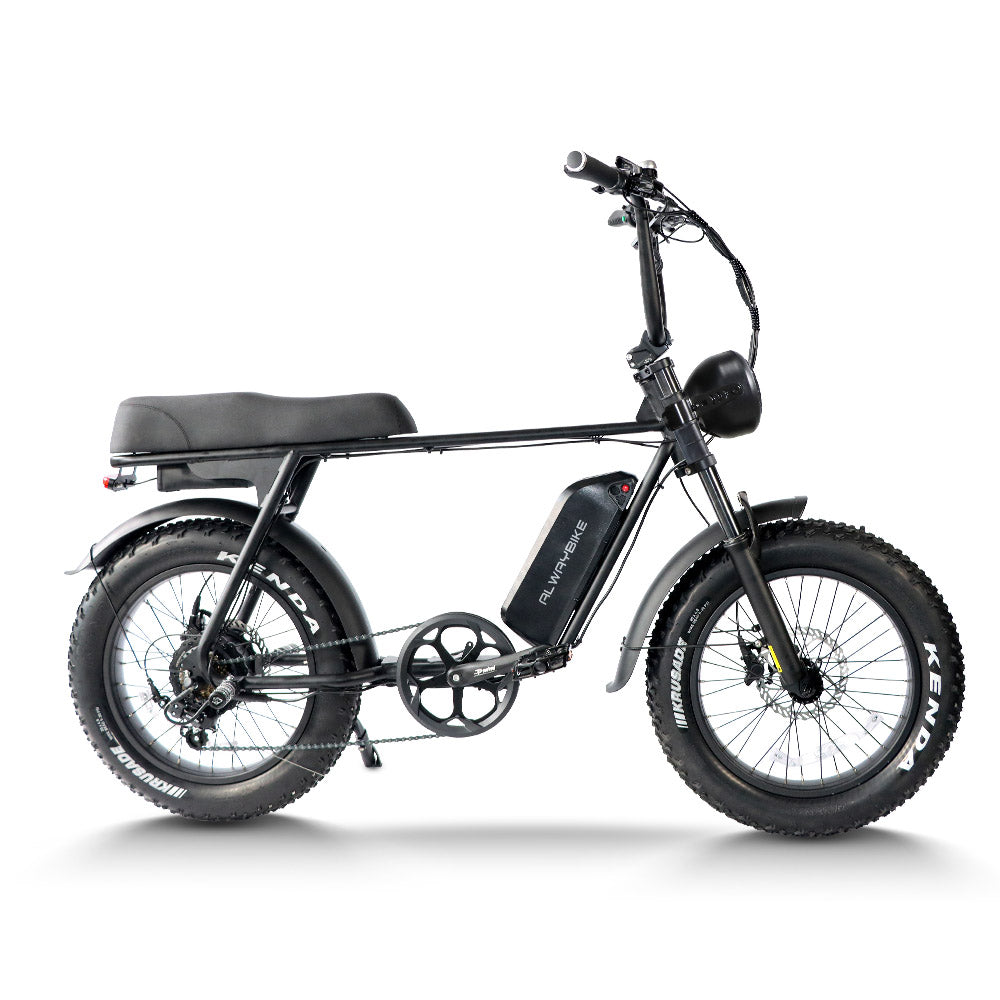
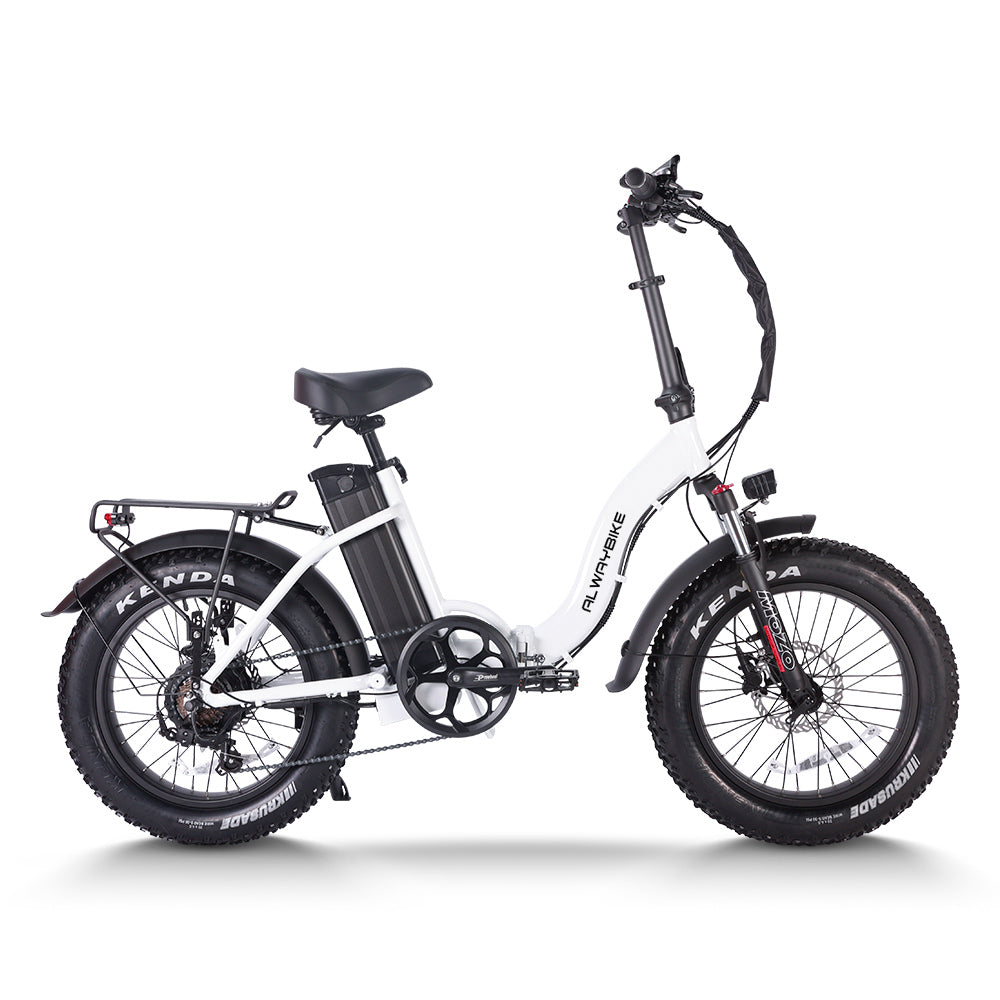
Affordable E-Bikes: Which Features Are Worth Paying For?


Find the affordable e-bike features that matter most for your route, fit, charging setup, safety checks, service options, warranty terms, and long-term value.
Affordable e-bikes are worth paying more for when they solve a recurring fit, control, charging, or ownership problem. Start with your route, distance, terrain, storage, portability, riding frequency, rider fit, and total budget, then compare the delivered configuration and support terms before spending on convenience accessories or cosmetic upgrades.

A low sticker price is not automatically poor value. It becomes a problem when the savings leave unresolved questions about whether you can ride comfortably, charge the bike practically, control it on your route, or obtain service and replacement parts later.
Which Features Are Worth Paying for in Affordable E-Bikes?
Prioritize features that solve a recurring route, fit, control, charging, or ownership problem; defer convenience and appearance upgrades. Consumer Reports' buying guide for electric bikes likewise supports starting with intended use, bike type, features, battery topics, and safety rather than comparing price alone. Use this scorecard to allocate a limited budget, not as a universal ranking.
| Feature | Pay more when and what to inspect | Acceptable compromise or deferment |
|---|---|---|
| Battery access | Pay more when your storage area lacks a convenient charging outlet or lifting the bike is impractical. Inspect the charging location, removal practicality, charger details, and whether the design fits your storage arrangement. | Defer a removable design when the bike can be charged conveniently in its storage location and the documented charging arrangement works for you. |
| Brakes | Pay more when your route includes traffic, hills, frequent stops, wet conditions, or loads that make control especially important. Inspect the installed brake equipment rather than relying on a category label. | Do not trade away unresolved braking information for accessories or appearance upgrades. The acceptable compromise is only the configuration documented as suitable for your intended use. |
| Tires | Pay more when your regular surfaces, weather, or uneven sections demand a particular tire design or size. Confirm the installed dimensions and relate them to the actual route. | Defer terrain-oriented tires if they do not solve a real surface problem. Do not treat a wider or more aggressive tire as automatically better value. |
| Frame fit | Pay more when a particular geometry, access point, reach, or frame format is needed for comfortable mounting, control, or storage. Inspect published geometry and rider-fit information. | Never defer an unresolved fit question for a lower price. Cosmetic frame details can wait; a frame that does not suit the rider or storage space cannot. |
| Serviceability | Pay more when the seller provides a clear path for mechanical and electrical diagnosis and local repair support matters to you. Inspect who handles service, the diagnostic route, and whether special tools or shipping are involved. | A less convenient service path may be acceptable when it is clearly explained and fits your ownership plan. Unclear support is a reason to pause. |
| Warranty | Pay more when the warranty terms give you a clearer claims process for the exact bike and its major systems. Inspect coverage, exclusions, claim steps, labor treatment, and shipping responsibility. | Do not pay extra for a headline warranty without reading the terms. A shorter but clear policy can be easier to compare than a longer promise with unresolved exclusions. |
| Replacement parts | Pay more when documented access to batteries, chargers, displays, controllers, brake parts, tires, tubes, and other likely wear items reduces future uncertainty. | Defer optional upgrades, but not the question of how essential replacement parts are sourced. Do not assume parts are standard or proprietary without exact documentation. |
| Accessories | Pay more only when an accessory solves a defined carrying, visibility, weather, security, or storage problem on your route. Confirm compatibility with the exact bike. | Defer nonessential accessories until fit, control, charging, and ownership support pass review. |
Keep unresolved fit, route, control, charging, storage, or ownership questions ahead of convenience features. Compare the documented configuration and support terms rather than treating range, speed, motor output, payload, or compatibility as automatic value scores.

Match Feature Priorities to Your Riding Scenario
Use your route and storage plan, not the category label, to decide which scorecard rows deserve priority. REI's e-bike selection guidance distinguishes recurring uses such as commuting, errands, and trail riding, making the trade-offs scenario-specific.
Commuting and Everyday Utility
For commuting and errands, emphasize comfortable fit, predictable control, practical battery access, and tires suited to the surfaces you actually ride. Carrying and visibility needs matter too, but they should not consume the feature budget before the bike passes route, fit, and control checks.
If browsing helps you compare categories, you can compare commuter e-bike options. Use the collection to narrow category choices, then compare each bike's equipment and dimensions with your route.
Folding and Limited-Storage Riding
Pay for a folding format or compact design when apartment access, storage, car transport, or another real space constraint makes it necessary. Verify folded dimensions, carrying practicality, charging arrangement, and comfortable unfolded fit together. A compact bike that fits the closet but not the rider does not solve the whole problem.
You can browse foldable e-bike options, then compare the folded footprint and fit information for the bike you are considering. Defer add-ons that add bulk or interfere with folding until the storage and transport plan is settled.
Recreation and Uneven Terrain
For recreation or uneven terrain, match tire suitability, braking details, frame fit, and control to the actual surfaces, hills, weather, and riding frequency. Avoid paying for terrain-oriented features that your route does not use, and do not substitute cosmetic upgrades or accessories for suitable equipment and a controllable fit.
Inspect Battery Access, Brakes, Tires, and Frame Fit
Before comparing apparent prices, identify the delivered battery and charger arrangement, installed brakes and tires, geometry and rider-fit information, and storage requirements. Price comparisons are meaningful only after those details fit the route and the space where the bike will be kept.
Can You Charge and Replace the Battery Practically?
Check where the battery charges, whether removal works for your storage location, and what the charger documentation identifies for that configuration. A removable battery may make off-bike charging practical only when the design, charger, and storage arrangement support it; it is not automatically a better value.
When a listing mentions UL 2849, the CPSC discussion of micromobility safety offers background on the electrical-system scope, including the battery pack, cells, charger, and system. It is not a product certification record and does not establish a universal legal requirement or overall bike safety.
Range and battery capacity do not answer whether you can charge the bike where it is stored. If you need to charge away from the bike, make removal, storage, and charger details part of the comparison instead of relying on a generic battery description.
Will the Brakes and Tires Suit Your Route?
Relate the installed brake equipment and tire dimensions to traffic, hills, weather, expected load, and surfaces. A brake type or tire category alone does not establish suitability.
When your route demands more control or includes uneven surfaces, do not trade away suitable braking or tires for a rack, finish, or other convenience accessory. If the listing, photos, and specifications disagree, treat the equipment details as unresolved before comparing prices.
Does the Frame Fit the Rider and Storage Space?
Check published rider-fit and geometry information, including access, reach, contact points, mounting, and control position. For a folding bike, consider folded dimensions and carrying needs alongside unfolded fit. A category name or one broad size description is not enough to resolve every rider's fit question.
Treat unresolved fit as a reason to pause rather than a compromise for a lower price. The apparent discount has not become dependable value if the listed geometry does not work with your measurements and storage plan.
Count Ownership Friction: Serviceability, Warranty, and Replacement Parts
Two similarly priced bikes do not necessarily create the same ownership burden. Before checkout, compare these three parts of the ownership path:
- Service: Who handles mechanical and electrical diagnosis, and can local repair support work with the relevant systems?
- Warranty: What coverage, exclusions, claim steps, labor treatment, and shipping responsibility apply to the bike, battery, and electronics?
- Replacement parts: How are batteries, chargers, displays, controllers, brake parts, tires, tubes, and other likely wear items identified and supplied?
Serviceability determines the repair channel. Check whether special tools or service shipping complicate repairs and whether the seller explains the diagnostic route. Warranty is a separate question, so compare its terms instead of relying on the headline duration.
Replacement-parts access is another ownership test. Determine whether each component is standard or seller-specific from the relevant documentation. If a needed part is unavailable when the bike needs repair, that supply gap changes the value of a low purchase price.
For a separate maintenance framework, assess e-bike repairability and compare standardized and proprietary parts. These are follow-up reading, not proof of a particular bike's warranty, parts inventory, or total ownership cost.
If the seller cannot clearly explain the repair channel, warranty process, battery replacement, or essential parts supply, count that uncertainty as friction. A lower price is not a saving when the ownership path remains unexplained.
Decide Which Accessories Belong in the Cart
Buy an accessory now only when it solves a defined, immediate problem, and defer it when the bike's core checks are incomplete. A commuter may need a carrying solution, visibility equipment, weather protection, security equipment, or storage support, while another rider may not need the same additions on day one.
Confirm compatibility with the exact bike before ordering. For a folding bike, reject an add-on that undermines the folded footprint or carrying plan. For recreation or uneven terrain, do not use accessories to compensate for unsuitable tires, unresolved braking details, poor fit, or unclear control equipment.
Protect the budget for fit, control, practical charging, and ownership support first. Once those pass, add the accessory that solves your next clearly defined route or storage problem rather than buying a generic bundle.
Choose Between a Cheap E-Bike and an Affordable E-Bike Worth Buying
A cheap e-bike can be worth buying when it meets your route and fit essentials, provides documented control and charging details, fits your storage plan, and has a clear service, warranty, battery-replacement, and parts pathway. It is only cheaper at checkout when the lower price depends on unresolved questions in one of those areas.
Drop any option that fails fit, route suitability, control, tire, charging, or storage requirements. Among the remaining options, compare the delivered configuration with the ownership support, then open the exact specification, warranty, returns, shipping, and service pages. Save written answers to unresolved support questions with the order record, and add accessories only after the core bike decision passes.
That is the value test for affordable e-bikes: choose the lower-priced option only when it leaves no consequential essential unanswered. Otherwise, pause and choose the listing with clearer configuration and ownership terms, even if its checkout price is higher.
Frequently Asked Questions
These questions focus on edge cases that can change the buying decision after the main feature comparison.
Does a UL 2849 Reference Prove the Whole E-Bike Is Safe?
No. The reference concerns the electrical-system scope, not a universal judgment about the entire bike or a guarantee that every listing meets the standard. Treat it as one detail alongside the bike's actual equipment and applicable requirements.
Can Accessories Fix Unsuitable Tires or Braking?
No. An accessory can solve a carrying, visibility, weather, security, or storage need, but it should not be used to compensate for unresolved control equipment or a route mismatch. Leave that add-on out of the cart until the core issue is resolved.
What If the Seller Cannot Explain Replacement Parts?
Treat the missing parts pathway as ownership friction, not as a minor paperwork gap. If the seller cannot identify how essential components are supplied for the configuration, compare a listing with clearer support or pause the purchase and keep the unanswered question with your records.
