

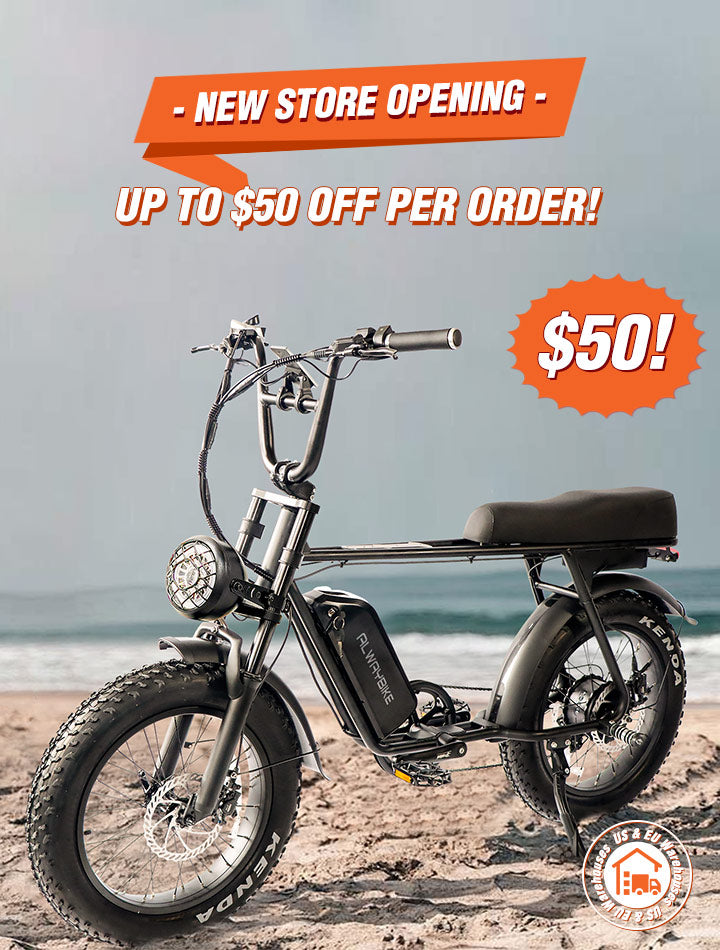
What a 1,000-Watt E-Bike Changes on Hills, Loads, and Range


A 1,000-watt electric bike may offer more support for steep hills, heavier loads, and repeated starts, but the wattage label does not guarantee climbing performance, range, payload, or legal access. Compare your route and total load first, then verify battery watt-hours, nominal versus peak output, component ratings, and current state and local rules.
A 1000 watt electric bike may provide more assistance on steep hills, with heavier loads, and during repeated starts. It is not, however, a guaranteed specification for hill-climbing ability, range, payload, or legal use. The right choice starts with your route and total moving weight, then considers battery capacity, what the wattage label actually means, and the rules in every place you plan to ride.

What 1,000 Watts Changes on Hills
A 1,000-watt rating matters most when steep or repeated climbs, loaded hill starts, or demanding terrain are a regular part of the ride. On mostly flat solo commutes, the added capacity may offer little practical benefit. Motor power is only one factor: total weight, hill grade, gearing, traction, battery charge, controller limits, rider input, and the manufacturer's rating method can all affect the result.
An official buyer guide on e-bike power and hill climbing likewise connects power needs with carried weight and steep climbs while noting that wattage ratings and bike designs vary.

Before treating a 1000-watt ebike for hills as the answer, identify the steepest and most frequent climb, the total weight moving uphill, and whether you need to start from a stop on the slope. A higher rating may provide more support in those conditions, but it cannot guarantee a particular grade, speed, or climbing result. Hill assistance also does not replace safe control or override an applicable speed limit. If your route includes both pavement and loose terrain, compare the complete setup—not just the motor—alongside mountain e-bike options.
Account for Rider and Cargo Weight
Rider and cargo weight can make extra motor support more useful, but the motor rating never replaces the bike's overall payload and component limits. Add up everything the bike must move before comparing models: rider, clothing and gear, groceries, bags, racks, child-seat-style utility loads, and other accessories.
Match Total Weight to the Bike's Rated Capacity
Compare that total with the manufacturer's stated capacity for the complete bike. If the product page lists separate limits, check the frame, rack, wheels, tires, brakes, and battery independently. A 1,000-watt label does not establish any of those ratings, and a higher motor number does not mean the frame or rack can carry more.
For a utility-focused comparison, you can use a heavy-duty cargo e-bike as a navigation path, but do not transfer its specifications or stated capacity to another bike. The key question is whether the specific model's written limits cover your complete intended load.
Expect More Demand in Stop-and-Go Riding
Repeated starts with a heavy load can make additional assistance more noticeable than steady cruising because the system must repeatedly accelerate the same total weight. That pattern can also increase battery demand and component stress compared with maintaining a steady pace.
Use this short stop-and-go check before buying:
- Count how often the route requires launches at lights, intersections, or stop signs.
- Include cargo acceleration, low-speed maneuvering, and any slope where you start from rest.
- Compare assist and throttle controls, battery capacity, and the manufacturer's operating guidance.
- Treat frequent loaded launches as a different use case from a flat route with one uninterrupted cruise.
Balance Motor Demand Against Battery Range
A 1,000-watt label is not a range estimate. Higher demand can use more energy during hard acceleration, hills, heavy loads, strong assistance, wind, or repeated stops, so compare battery watt-hours with actual riding conditions instead of converting motor watts directly into miles. Official Rhode Island Energy guidance on e-bike range identifies battery size, motor efficiency, assistance level, carried weight, wind, weather, temperature, and terrain as range factors.
Read Battery Capacity Alongside Motor Power
Watt-hours (Wh) describe stored battery energy; they are not interchangeable with motor watts. Use Wh as the starting point for comparing battery capacity, then adjust expectations for terrain, load, assistance, temperature, battery age, and efficiency. A technical explanation of e-bike specifications distinguishes battery energy in watt-hours from power delivered to the motor.
| Product-page item | Why it matters |
|---|---|
| Battery watt-hours | Provides the clearest starting point for comparing stored energy. |
| Voltage and amp-hours | Helps you understand how the listed battery capacity is described; compare the stated figures consistently. |
| Stated range conditions | Shows whether the estimate assumes a light load, flat terrain, low assist, mild weather, or another easier scenario. |
| Charger information | Helps you compare the documented charging setup and operating instructions. |
| Replacement-battery availability | Matters if the bike will serve a regular commute or demanding utility route over time. |
Use these inputs to assess 1000-watt electric bike range tradeoffs, not to calculate miles directly from watts. If a listing gives a range without test conditions, treat it as incomplete comparison information rather than a promise for your route.
Check Heat and Demanding-Use Guidance
Do not assume every 1,000-watt system has the same cooling, protection, or heat behavior. Review the manual and product documentation for demanding-use, charging, storage, and operating instructions. The District of Columbia's official e-bike battery guidance recommends avoiding damaged, modified, or incompatible batteries, following charging instructions, avoiding unattended charging, and storing and charging batteries at room temperature.
Check these items before ordering:
- Operating and charging limits
- Battery condition requirements
- Storage-temperature guidance
- Any stated motor or controller protection language
- Warranty and support procedures for battery or power-system issues
These checks support safer ownership without implying that all high-power systems overheat or have identical thermal limits.
Read the 1,000-Watt Label Correctly
Before comparing two listings, determine whether "1,000 watts" means nominal or rated continuous output, peak output, or another manufacturer-defined measurement. These figures describe different things and should not be treated as equivalent; neither one alone proves torque, hill performance, or range.
Separate Nominal Power From Peak Output
Rated continuous output generally describes power demonstrated under stated continuous test conditions, while peak output refers to a maximum that may occur for a shorter period. E-bike manufacturers may define and test these terms differently, so the number is useful only when its definition is clear. A background explanation of rated and peak power distinguishes the two measurements and notes the need to understand how the manufacturer presents the specification.
If a product page highlights only a peak figure, ask for the nominal or rated continuous figure and the applicable technical documentation. Treat an undefined peak-only number as incomplete evidence, not as a direct performance ranking.
Use a Product-Page Verification Checklist
Review the listing in this order:
- Identify whether the wattage is nominal, rated continuous, peak, or another defined term.
- Compare battery watt-hours and the stated range conditions.
- Check complete-bike payload and any separate frame, rack, wheel, tire, brake, or battery limits.
- Review assist and throttle behavior, speed settings, and control details.
- Check brakes, tires, warranty, customer support, and the technical specification sheet.
- Recheck every item against your route, total load, starts, hills, and intended access.
This process keeps a large headline number from hiding missing specifications.
Choose the Power Level That Fits Your Route
A 1,000-watt e-bike makes the strongest case when steep or repeated hills, heavier total weight, or frequent starts are central to the ride and the rest of the bike supports that use. For flat solo commuting, consider whether the added capacity solves a real problem or simply adds energy demand, weight, and legal-complexity questions.
| Riding situation | When 1,000 watts may be useful | What to verify first |
|---|---|---|
| Mostly flat solo commuting | Often optional if the route has few loaded starts or sustained climbs. | Battery Wh, comfortable controls, legal configuration, and the lowest power that reliably covers the route. |
| Steep or repeated hills | More relevant when climbs and hill starts are frequent, especially with a substantial total load. | Continuous versus peak rating, battery Wh, gearing, traction, and model-specific documentation. |
| Heavy utility or cargo use | Potentially useful when rider, gear, and cargo raise acceleration and climbing demand. | Complete payload, frame and wheel limits, brakes, tires, rack limits, and battery capacity. |
| Frequent stop-and-go starts | May help when the bike repeatedly launches from traffic lights, intersections, or slopes. | Assist and throttle behavior, low-speed control, battery conditions, and operating guidance. |
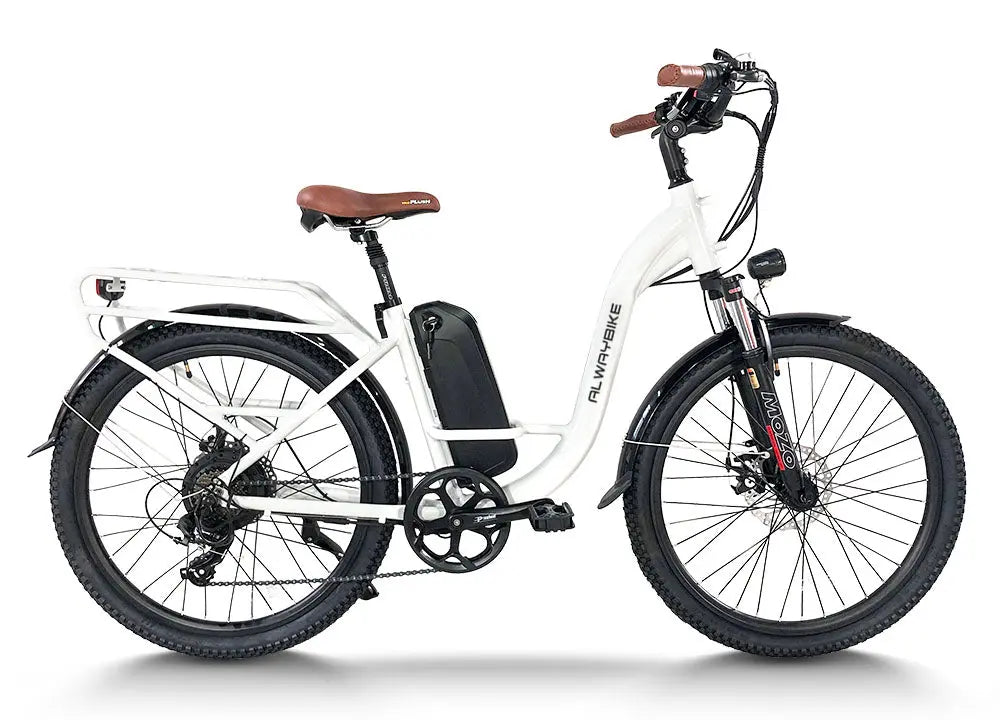
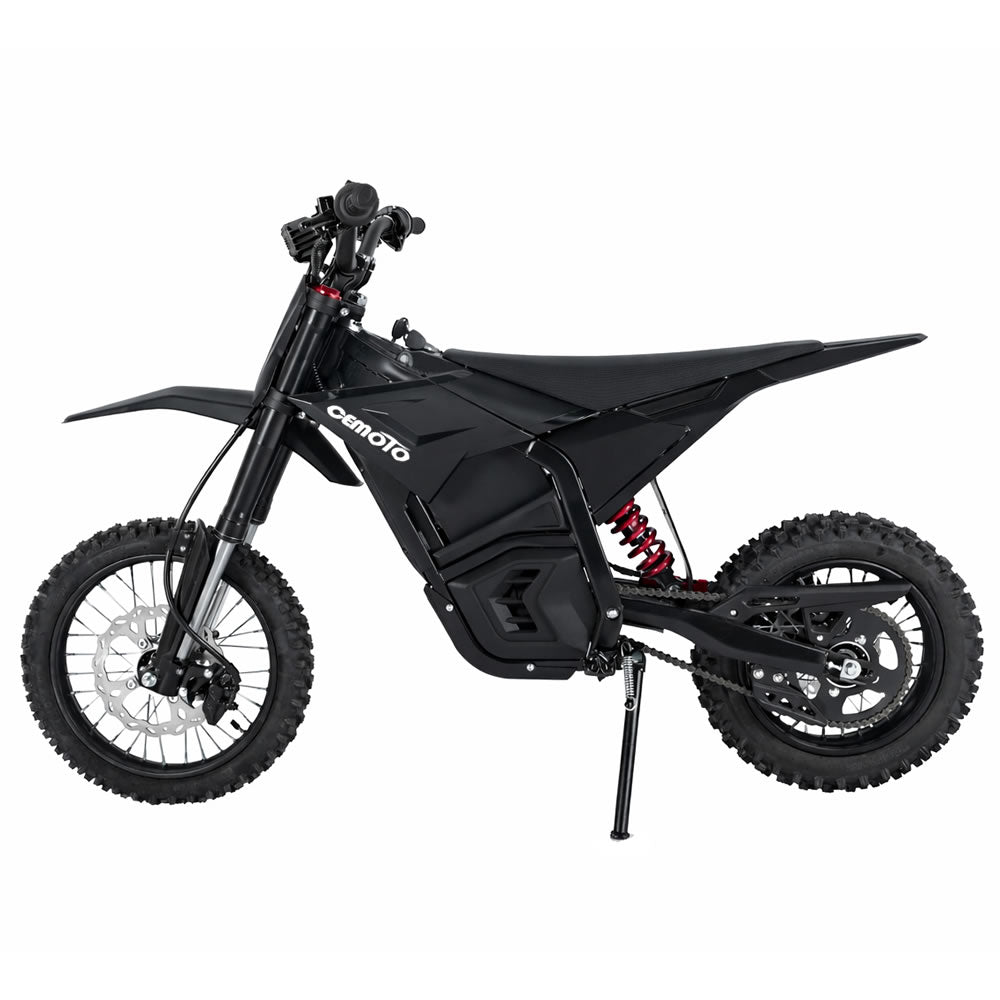
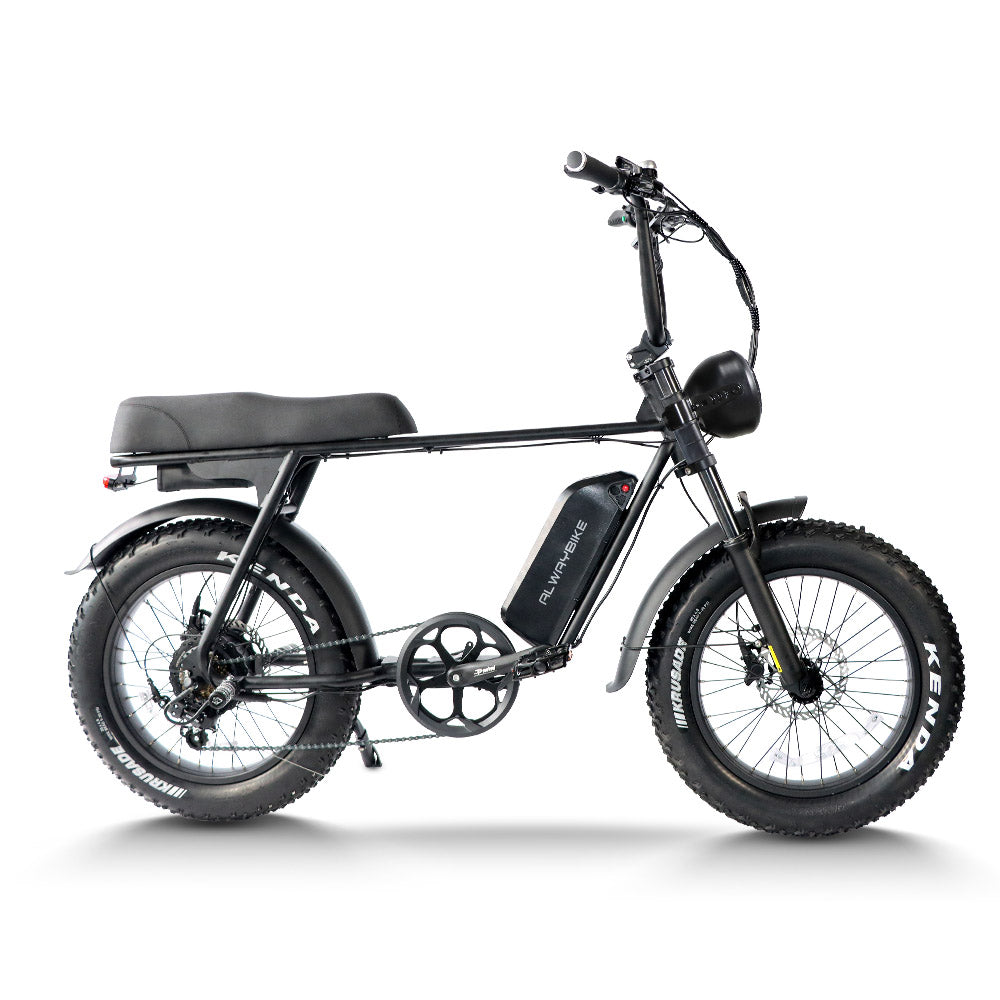
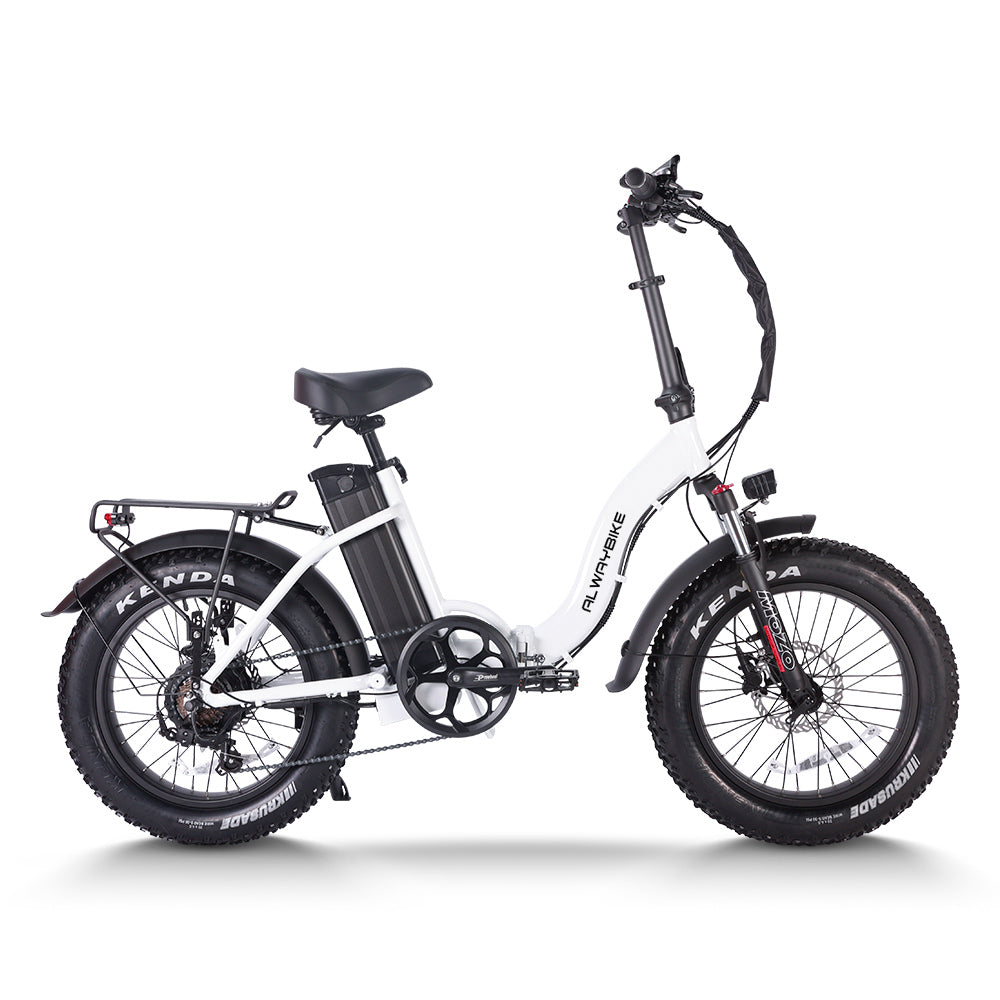
Use a lowest-sufficient-power filter: choose the rating that addresses your actual route and load while keeping the complete bike, battery, and legal configuration suitable for the job. If you are comparing broader inventory, compare CEMOTO electric bikes or review commuter e-bike choices as navigation—not as proof that any listed model fits your route.
Confirm U.S. Class and Local-Use Rules
A 1,000-watt label does not establish a nationwide e-bike class or a right to use every road, path, trail, or park. Before buying, verify the bike's operable pedals, assist method, throttle behavior, assisted-speed setting, labeling, and current manufacturer documentation. Then check the rules for the exact places where you plan to ride.
Classification is an evolving U.S. policy area, and adoption of class systems varies among states and agencies (Federal Highway Administration literature review). California is one specific example: its statute defines an electric bicycle using fully operable pedals and a motor not exceeding 750 watts (California Vehicle Code Section 312.5). That is not a national rule for every state or configuration.
Access can be narrower than a general class definition. Washington State's Department of Natural Resources, for example, says Class 1, 2, and 3 e-bikes are currently allowed on certain motorized trails and forest roads open to motorized public use (Washington DNR e-bike rules). Use this as an example of land-manager variation, not as a rule for your state. A related guide to U.S. e-bike class rules can provide general navigation, but it cannot replace current local verification.
Before adding a bike to your cart, check the following with the relevant authority or land manager:
- State definition and class requirements
- City, county, pathway, and roadway rules
- Trail, park, workplace, and private-property access
- Operable pedals, throttle, assist, speed, and labeling details
- Written product specifications if the listing is unclear
If the configuration or access rule remains unclear, get the answer in writing before ordering or transporting the bike to the route.
FAQs
Use the questions below to check the main performance and compatibility issues that can vary from one bike and route to another.
Can a 1,000-Watt E-Bike Climb Any Hill?
No. Compare the actual grade, total weight, gearing, traction, battery state, and model documentation rather than relying on the headline number.
Does a 1,000-Watt Motor Use More Battery at Low Assist?
Not necessarily at its maximum rating, which it does not draw continuously. Hills, wind, load, hard starts, and assistance level can still increase energy demand, so compare battery Wh and test conditions.
Do Tires and Gearing Matter on a 1,000-Watt E-Bike?
Yes. Tire setup, pressure, gearing, and traction affect how assistance reaches the ground; check them alongside the motor rating.
Does a 1,000-Watt E-Bike Automatically Qualify as Class 3?
No. Verify the control method, assisted-speed setting, operable-pedal requirement, labeling, and current rules for the exact configuration.
Before you buy, write down your steepest climb, total rider-and-cargo weight, daily starts, required one-charge distance, and planned riding areas. Then filter listings by complete specifications, not wattage alone, and compare e-bike features.
